

Kidde is a fire and carbon monoxide safety brand whose alarms sit in millions of UK homes, and for a household getting ready for a power cut, a flood or a heating failure, the question is a practical one: which of its alarms does what, how long it lasts, and what to do if yours is caught by a safety notice. The most urgent item is the fire extinguisher recall. If you own a Kidde push-button pindicator extinguisher, check the model number printed on the label against the list: KK2, 100D, M5P, M5PM, 210D and AUTO 5FX. If yours matches, stop using it and contact Kidde for a free replacement1.
For alarms, the headline is straightforward. Kidde states that its home carbon monoxide alarms are fully certified by BSI to EN50291 Part 1 and guaranteed for 10 years2. The sealed-battery models, the 10LLCO and 10LLDCO, carry lithium batteries that last the full 10-year life of the alarm and never need replacing3. Mains-powered models such as the KF30 heat alarm run on 230V with a 9V alkaline backup battery supplied as standard4.
This page sets out what Kidde makes for UK homes, one short section per kit type, then the warranty, the safety notices and where to buy. It is written for households building an emergency kit and thinking about home emergencies rather than for trade buyers.
Kidde fire extinguisher recall: what owners should do
The recall is a product recall notice issued by the manufacturer, and it is the one item on this page that needs action today rather than at your next kit check1. The affected products are push-button pindicator fire extinguishers sold under the model numbers KK2, 100D, M5P, M5PM, 210D and AUTO 5FX. The model number is printed on the fire extinguisher label, so you do not need paperwork or a receipt to identify yours1.
The recall follows reports of limited or failed activation, or nozzle detachment, in the United States and Canada, where Kidde has received approximately 391 such reports1. Kidde states that it is not aware of any incidents in the United Kingdom and other EU/EEA Member States involving the affected products1. That is a reason for calm, not for delay: an extinguisher that may not work is worse than no extinguisher, because it invites you to rely on it.
If your model matches, the manufacturer's instruction is to visit the recall website or call 0800 088 5513, or +44 (0) 208 089 1702 from outside the UK, to request a free replacement extinguisher and get instructions on returning the recalled unit1.
Checking for recalls should be a habit, not a one-off. Electrical Safety First's online product checker lets you see whether any of your appliances have been recalled7, and the charity's advice is to check regularly using the Government's product recall site, the manufacturer's website or its own recall register8. Fire and rescue services point households to the same checker when they are concerned about an appliance9.
What Kidde makes for UK homes
Kidde's UK range covers the two risks that matter most to a household preparing for an emergency: fire, and carbon monoxide from a faulty or poorly ventilated fuel-burning appliance. The range divides into smoke alarms, heat alarms, carbon monoxide alarms and combined smoke and carbon monoxide alarms, with mains-powered and battery-powered versions of each.
For preparedness, the useful way to think about the range is by what keeps working when the mains does not. A mains-powered alarm with a battery backup keeps guarding the home through a power cut, which is exactly when a household might resort to candles, a portable heater or a camping stove. A sealed-battery alarm needs no mains at all. Both matter, and the choice turns on the wiring in your home rather than on the brand.
The product pages for each model are linked below, and the section guides explain where each type belongs in a household plan:
- Smoke alarms and heat alarms: the Kidde 2030-DSR Optical Smoke Alarm, Kidde 2030-DCR Smoke Alarm, Kidde 10Y29 Smoke Alarm, Kidde Firex KF20 Optical Smoke Alarm and Kidde Firex KF30 Heat Alarm.
- Carbon monoxide alarms: the Kidde K7DCO Carbon Monoxide Alarm, Kidde K5DCO Carbon Monoxide Alarm, Kidde K10LLDCO Carbon Monoxide Alarm and Kidde K10LLCO Carbon Monoxide Alarm.
- Combined protection: the Kidde K10SCO Smoke and CO Alarm.
The KF30 heat alarm is the one to know about for a kitchen, garage or living room, the locations the maker lists for it4. A heat alarm responds to heat rather than smoke, which is why it suits spaces where cooking fumes or dust would set off a smoke alarm. It is interconnectable, so it can be linked to other alarms on the same system4.
Carbon monoxide alarms certified by BSI to EN50291-1
Carbon monoxide is the quiet risk in a home emergency. It comes from fuel-burning appliances and flues, and the fire and rescue services, health bodies and gas safety organisations across the UK all give the same buying advice: choose an audible alarm that meets British Standard BS EN 50291, bought from a reputable source, with the British Standard mark on the packaging10. The Health and Safety Executive for Northern Ireland adds that the alarm should carry a British or European approval mark, such as a CE or Kitemark5.
Kidde states that its home carbon monoxide alarms are fully certified by BSI to EN50291 Part 1 and guaranteed for 10 years2. That is the maker's own statement about its own products; the standard it names is the one the official guidance asks for.
There is a distinction worth knowing if your kit travels. Alarms for the home are certified to Part 1 of the standard, while alarms for boats, campervans and caravans should meet BS EN 50291-2:201011. If you keep a portable alarm for holidays or for a caravan used as a backup shelter, check which part of the standard it meets. Northern Gas Networks advises a portable, audible alarm meeting BS EN 50291 for travel12.
Where to fit them is settled by the same official guidance. The London Fire Brigade's advice is to get your alarm from a reputable DIY store or supermarket and to follow the manufacturer's instructions on how and where to fit it13. The NHS in Scotland tells households to make sure they have a BS EN 50291 compliant alarm fitted14. For a household plan, treat the alarm as part of the same routine as testing smoke alarms: a working carbon monoxide alarm is what turns an invisible leak into an evacuation.
Sealed-in lithium models: 10LLCO and 10LLDCO
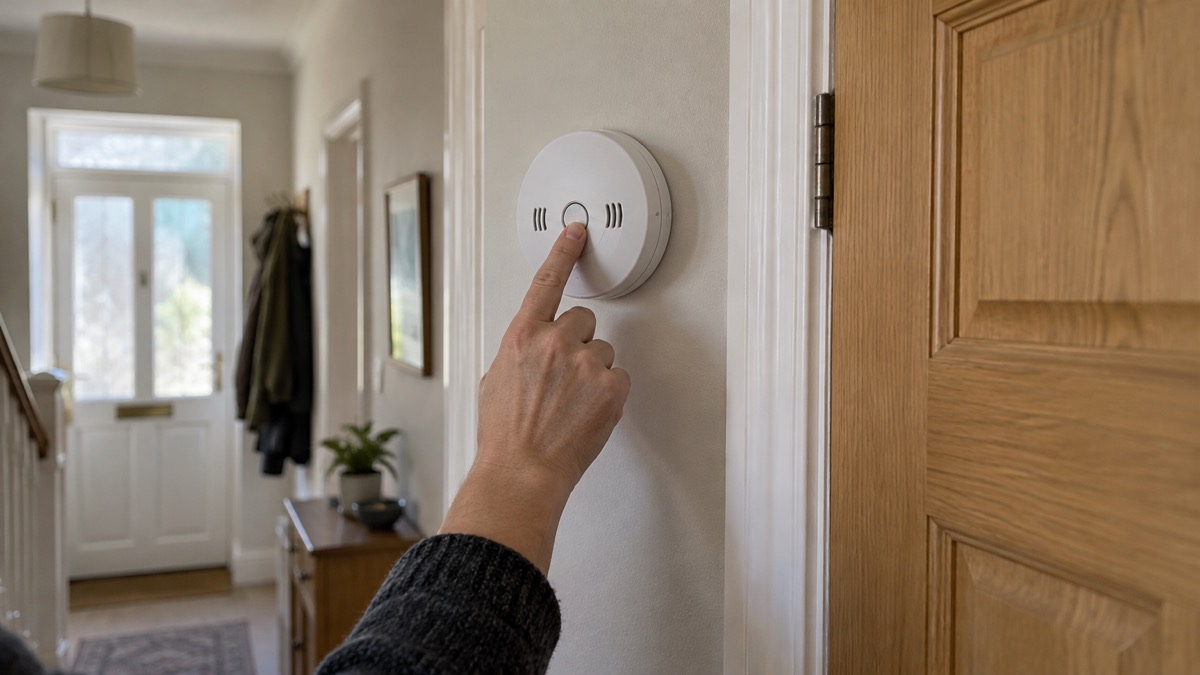
The 10LLCO and 10LLDCO are the models to look at if you want a carbon monoxide alarm that needs no battery changes and no mains supply. Both benefit from sealed-in lithium batteries that last the full 10-year life of the alarm and never need to be replaced3. For a household preparing for a power cut, that is the point: the alarm keeps working when the electricity does not, and there is no annual battery swap to forget.
The difference between the two is the display. The 10LLDCO includes a digital LCD screen that shows the carbon monoxide levels detected at all times2. The 10LLCO does not, but it can be freestanding or wall-mounted15.
The trade-off is that a sealed-battery alarm cannot be linked to other alarms. The 10LLDCO cannot be linked to other alarms16. If you want every alarm in the house to sound together when one detects carbon monoxide, you need the hard-wired interconnectable models instead. If you want an alarm that works in any socket-free corner of the house, the sealed models are the simpler answer.
A digital display is genuinely useful in an emergency, because it shows a low-level build-up before the alarm reaches its alarm threshold. It does not replace the sounder, and it does not remove the need to act on the alarm itself. The display is a diagnostic aid, not a licence to wait.
Hard-wired models: 4MCO and 4MDCO
The 4MCO and 4MDCO are hard-wired, interconnectable carbon monoxide alarms: when one alarm detects carbon monoxide, they all sound throughout the home2. For a household with a large or multi-storey home, that is the difference between an alarm sounding in an empty upstairs landing and one sounding where you can hear it.
Interlinking matters most in the situations this site covers. A boiler flue problem at night, a blocked chimney during a storm, a generator run in an attached garage: in each case the carbon monoxide may reach a bedroom before it reaches the alarm in the hall. Linked alarms give the whole household the same warning at the same moment.
The 4MDCO also carries a digital LCD screen showing the carbon monoxide levels detected at all times2. The 4MCO does not. Both are mains-powered and need a qualified electrician to install.
For a preparedness plan, hard-wired alarms have one weakness: they depend on the mains, and a power cut takes out the supply. That is why the backup battery in a mains alarm matters, and why some households pair a hard-wired system with a sealed-battery alarm as a second line. The choice is about your wiring and your household, not about which model is better.
Warranty: 10 years across the whole home range
Kidde's home carbon monoxide range is guaranteed for 10 years, alongside its BSI certification to EN50291 Part 12. That matches the working life of the sealed-battery models, so the guarantee and the alarm's service life end at roughly the same point.
The warranty varies by product, and it is worth checking before you buy:
| Product | Warranty | Battery |
|---|---|---|
| Kidde home CO range | 10 years2 | Varies by model |
| Kidde 10LLDCO | 10-year battery life and warranty16 | Sealed lithium, full alarm life3 |
| Kidde K5DCO | Seven-year warranty7 | Two AA batteries17 |
| Kidde KF30 heat alarm | 6 years4 | 230V mains with 9V alkaline backup, one-year backup life4 |
| Kidde 2030-DCR | Three-year warranty, five years if bought through Safelincs6 | Not stated |
Two practical points follow. First, a 10-year warranty is only useful if you can show when you bought the alarm, so note the date on the unit or keep the receipt with your household paperwork. Second, the warranty is not the same as the alarm's life. A heat alarm with a 6-year warranty4 and a smoke alarm with a three-year warranty6 carry shorter guarantees than the sealed 10-year carbon monoxide models, and replacing them on schedule is part of keeping the system working.
For a household building a kit over time, the warranty is a rough guide to how often each item will need replacing, and therefore to what belongs on a long-term maintenance list rather than a one-off purchase.
Where to buy Kidde alarms in the UK
Kidde states that its carbon monoxide alarms can be found online and in leading independent stores as well as national retailers including Argos, Homebase, Asda, Amazon and Costco2. Its UK contact details are www.kiddesafetyeurope.co.uk or 01753 7663922.
The wider retail picture is the same as for alarms in general. Official guidance notes that carbon monoxide alarms are sold in many retail outlets including DIY and hardware stores, online, supermarkets and trade retail stores, and are made by a wide range of companies5. The London Fire Brigade advises buying from a reputable DIY store or supermarket and following the manufacturer's instructions on fitting13. Northern Gas Networks suggests a local DIY store, supermarket or online retailer, and notes that your energy supplier may also be able to provide one18. Buy from a reputable source and check for the British Standard mark on the packaging19.
For smoke alarms, fire and rescue services say they can be purchased from most DIY stores and some supermarkets20, or from DIY stores, electrical shops and most high street supermarkets21. Heat alarms can be bought from DIY stores and online22.
Wherever you buy, check the packaging for the British Standard mark before you pay10. A cheap alarm from an unknown source is not a bargain if it has not been tested to the standard the official guidance names.
Support, spares and safety notices
Kidde's UK support runs through its website and telephone line, and the recall has its own dedicated route: the recall website and 0800 088 5513 for UK customers, or +44 (0) 208 089 1702 from outside the UK1. For general product enquiries, the UK contact is www.kiddesafetyeurope.co.uk or 01753 7663922.
One Kidde spare or accessory is the Kidde CO2 Klem Valve. It is a valve associated with a Kidde CO2 product, and it has its own product safety report, case number 2310-0089, notified by the Health and Safety Executive, covering affected batches from 01/2022 to 05/202323. The corrective action was that affected units were identified and stock withdrawn from the market, a safety notice was issued to affected customers in the UK, and the manufacturer developed a safety guard that can be fitted over the top of the valve23. If you own a Kidde CO2 product with a Klem valve from those batches, check the notice and fit the guard as instructed.
Beyond the recall, the safety advice that applies to any alarm is the same whoever made it. Test alarms regularly, follow the maker's fitting instructions, and never remove a battery to silence a nuisance alarm without dealing with the cause. Fire and rescue services across the UK give the same message on alarms and home fire safety, and it is worth reading alongside this page: see Home Emergencies: Fire, Carbon Monoxide, Gas Leaks and Burst Pipes and Power Cuts: A Household Guide for what to do when the power fails and the risks change.
Sources (23)
- Product recall notice: Kidde fire extinguishers, London Borough of Bromley, 2026
- Carbon monoxide alarms, CO-Gas Safety, 2024
- Carbon monoxide alarms: the range, CO-Gas Safety, 2024
- Kidde KF30 Interconnectable Heat Alarm, Kidde, 2026
- Carbon monoxide alarms, Health and Safety Executive for Northern Ireland, 2026
- Product recall: Tanarife Solarium Limited home hire wooden tanning unit, Electrical Safety First, 2026
- How to choose a carbon monoxide detector, Which?, 2026
- Total recalls: making white goods safer, London Fire Brigade, 2026
- Electrical safety, Scottish Fire and Rescue Service, 2025
- Smoke alarms and CO detectors, Warwickshire County Council, 2026
- Alarm advice sheet, North Wales Fire and Rescue Service, 2024
- Carbon monoxide advice: away from home safety, Northern Gas Networks, 2026
- Carbon monoxide safety, London Fire Brigade, 2026
- Indoor air pollution, NHS Inform, 2026
- What to do when a carbon monoxide detector goes off, Which?, 2026
- Unbranded carbon monoxide alarm, Which?, 2026
- Kidde 5DCO digital display carbon monoxide alarm, Safelincs, 2026
- Carbon monoxide alarms, Northern Gas Networks, 2026
- Carbon monoxide alarms: advice for homeowners, Health and Safety Executive, 2026
- Safe at home: frequently asked questions, North Yorkshire Fire and Rescue Service, 2026
- Fire alarms and carbon monoxide detectors, Lincolnshire County Council, 2026
- Smoke alarms, Devon and Somerset Fire and Rescue Service, 2026
- Product safety report: Kidde CO2 Klem Valve, Office for Product Safety and Standards, 2024
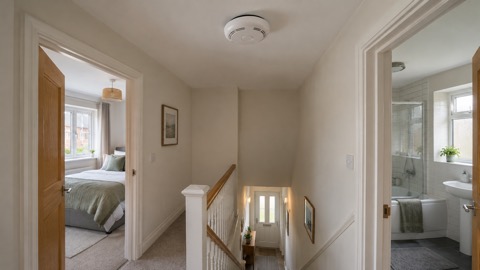 Kidde 2030-DSR Optical Smoke Alarm
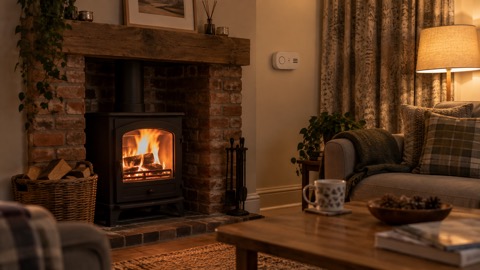 Kidde 2030-DCR Smoke Alarm
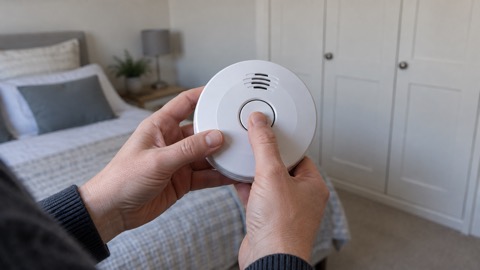 Kidde 10Y29 Smoke Alarm
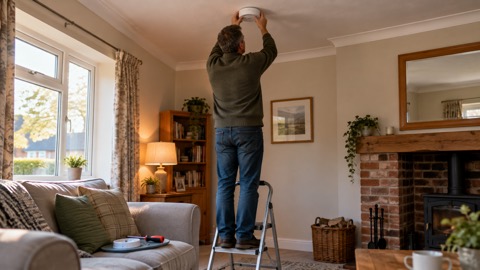 Kidde Firex KF20 Optical Smoke Alarm
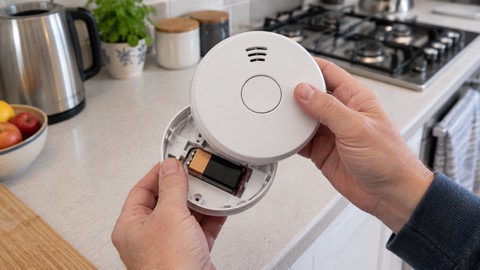 Kidde Firex KF30 Heat Alarm
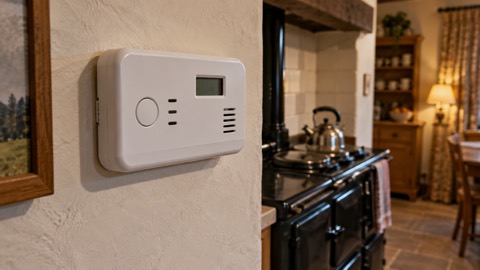 Kidde K7DCO Carbon Monoxide Alarm
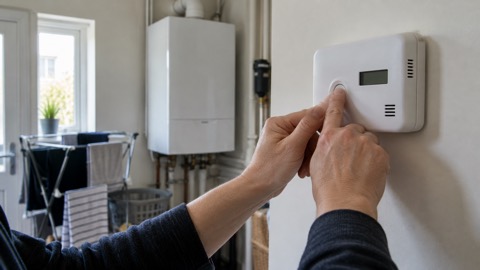 Kidde K5DCO Carbon Monoxide Alarm
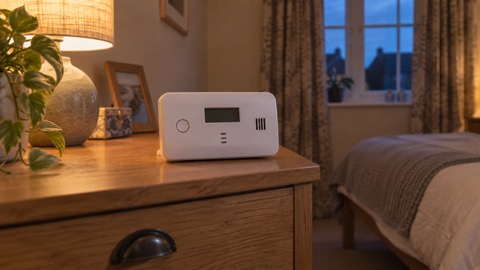 Kidde K10LLDCO Carbon Monoxide Alarm
 Kidde K10LLCO Carbon Monoxide Alarm
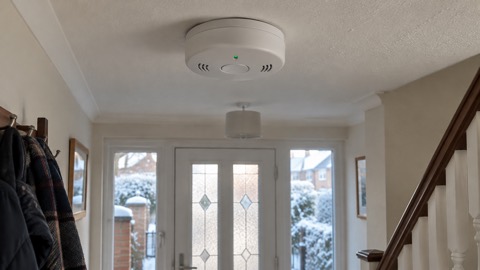 Kidde K10SCO Smoke and CO Alarm