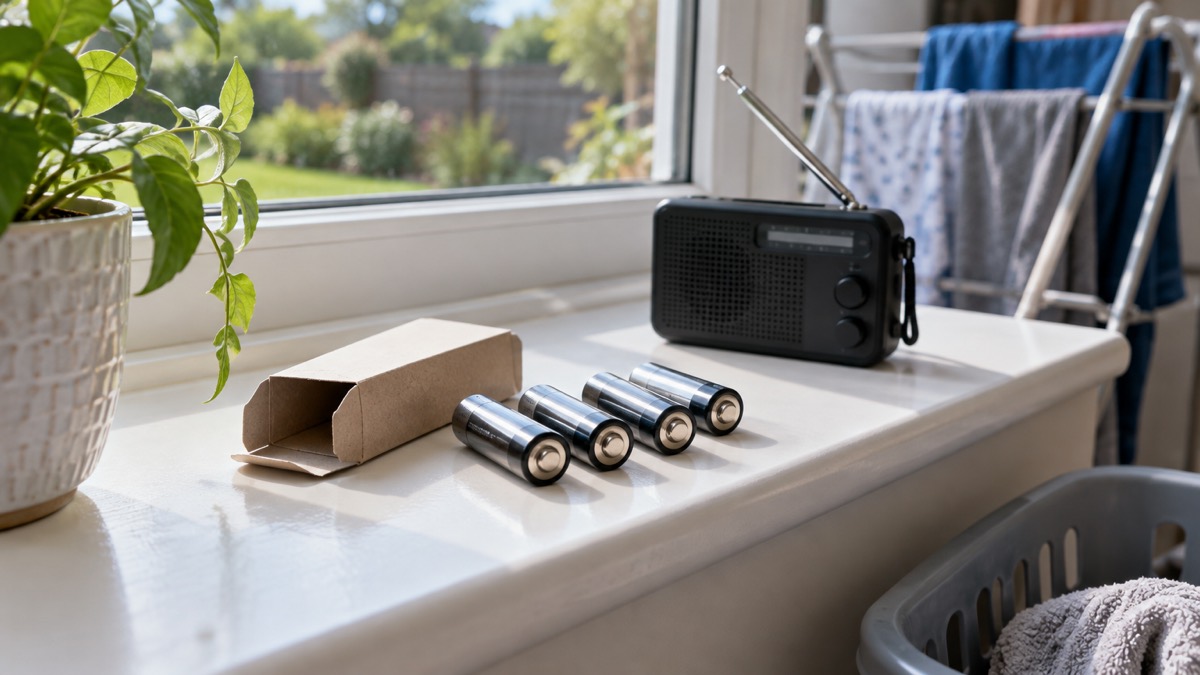
A torch that will not switch on is one of the small failures that makes a power cut feel much worse. Duracell AA alkaline batteries are the ordinary AA cells most UK households already have in a drawer, and they are the ones that keep a torch, a battery radio or a small alarm working when the mains goes off. Duracell describes its AA alkaline cells as suitable for everyday devices, and lists torches among the devices its AA batteries are recommended for1.
The number that matters most for a household getting ready is shelf life. Duracell states that unused Duracell batteries can stay powered for up to 10 years in ambient storage1. That is the best case, for cells still in their packaging and kept in normal conditions, so the practical rule is to buy a pack, write the date on it, store it dry and out of the device, and rotate it before the date on the pack runs out.
The other rule is absolute: never put an alkaline cell in a charger. Duracell states that only batteries specifically labelled "rechargeable" should be recharged, and that any attempt to recharge a non-rechargeable battery could result in rupture or leakage2. Everything else on this page follows from those two points: what the cell is, how to keep a spare set ready, how to fit and remove it safely, and what to do when one leaks or is swallowed.
What the MN1500 is, and what the codes on the pack mean
MN1500 is Duracell's own product code for its AA alkaline cell. LR6 is the international size code for the same AA shape, so a device that asks for an LR6 is asking for an AA battery. The letters and numbers on a pack describe the size and the chemistry, not a different product, and the same cell may be sold under a name such as Duracell Plus AA, which the maker describes as alkaline batteries ideal for powering everyday devices1.
What matters for an emergency kit is the chemistry. Duracell states that its alkaline batteries are made mainly from common metals, steel, zinc and manganese, and do not pose a risk to health or the environment if used and disposed of appropriately6. They are also mercury-free: Duracell says it voluntarily stopped using mercury in its general purpose batteries, the AAA, AA, C, D and 9V sizes, in 19937. That is why a spent AA cell can go into an ordinary shop collection bin rather than a hazardous waste route.
Alkaline is not the only choice, and the maker is clear about where each type suits a household. Duracell recommends premium alkaline batteries for equipment used periodically in extreme temperatures, because they perform much better than zinc carbon batteries under those conditions8. For devices that drain a cell quickly, such as a digital camera, it says rechargeable cells are best suited to mid to high-drain devices9. A torch or a radio used in short bursts through an emergency is the first case, not the second.
| What you are powering | What the maker says suits it | Why it matters in an emergency |
|---|---|---|
| Torch, battery radio, small alarm, used now and then | Premium alkaline AA8 | Performs much better than zinc carbon in extreme temperatures8 |
| Device left in a cold porch, shed or car | Premium alkaline AA8 | Recommended for equipment used periodically in extreme temperatures8 |
| Camera or game controller, drained quickly | Rechargeable cells9 | Best suited to mid to high-drain devices9 |
| Anything stored for months between uses | Alkaline, stored out of the device4 | Cells left in unused equipment can leak and damage it4 |
Specifications that matter in an emergency kit
The figures a household actually needs are few. The cell is a standard AA alkaline, it keeps unused for up to 10 years in ambient storage, and it is mercury-free1. Duracell does not publish a milliamp-hour rating for this cell on the pages that describe it, so treat any capacity figure you see elsewhere with caution and go by the maker's shelf-life claim and the date code on the pack.
The shelf life is the specification that decides how you buy. A pack bought for an emergency kit is not there to be used next week; it is there for the night the power fails, which may be two winters away. Buying a pack larger than you need, dating it and putting it somewhere you will see it, is the practical way to use the 10-year figure1. The same logic applies to the smaller cells in smoke and carbon monoxide alarms, which is why it is worth reading when to replace a smoke, heat or CO alarm alongside this page.
Temperature is the other specification that changes what you do. Alkaline cells cope better than zinc carbon with equipment used periodically in extreme temperatures, which is why the maker recommends premium alkaline for that job8. That does not make them immune to heat or cold: a torch left in a car through a summer and a winter is being asked to work outside normal conditions, so keep the spare set indoors and take it out when you need it.
Fitting, mixing and removing batteries safely
Fitting a cell correctly is the difference between a torch that works and a torch that leaks in a drawer. Duracell's own instructions are to keep battery contact surfaces and battery compartment contacts clean, rubbing them with a clean pencil eraser or a clean cloth each time you replace batteries10. Do that when you swap a set, and you remove the film of corrosion that stops a torch striking up after months of storage.
Do not mix and match different battery brands in the same device, and remove batteries from devices that are being stored8. Mixing an old cell with a new one, or one brand with another, asks the weaker cell to do work it cannot, and the maker's advice is to keep a device on one brand at a time6. For a household kit the simplest habit is to keep one brand of AA in the drawer, fit a full set at once, and take them out again when the emergency is over.
Removing cells matters as much as fitting them. Duracell advises removing batteries from devices that will not be used for several months, to prevent possible damage from leakage4. A battery radio kept in a cupboard between emergencies, a torch in a glovebox, a lantern in a loft: all of these should have their cells out, with a fresh set taped to the device or kept beside it.
If a cell does feel warm, the maker's guidance is that a battery which becomes warm in a pocket is not normal, and the cause should be checked rather than ignored11. In an emergency kit the usual cause is a loose cell touching metal. Separate the cells, let them cool, and do not use a cell that has visibly deformed.
Storing spare AA batteries at home
Storage is where a household gets the most out of a pack. Duracell's advice is to store batteries in a dry place at normal room temperature without the contacts touching3. It also suggests turning off battery-operated radios and appliances when they are not in use, and removing batteries from devices that will not be used for a while8. Those habits, dry, room temperature, contacts apart, are the ones the maker sets out for keeping cells in good order3.
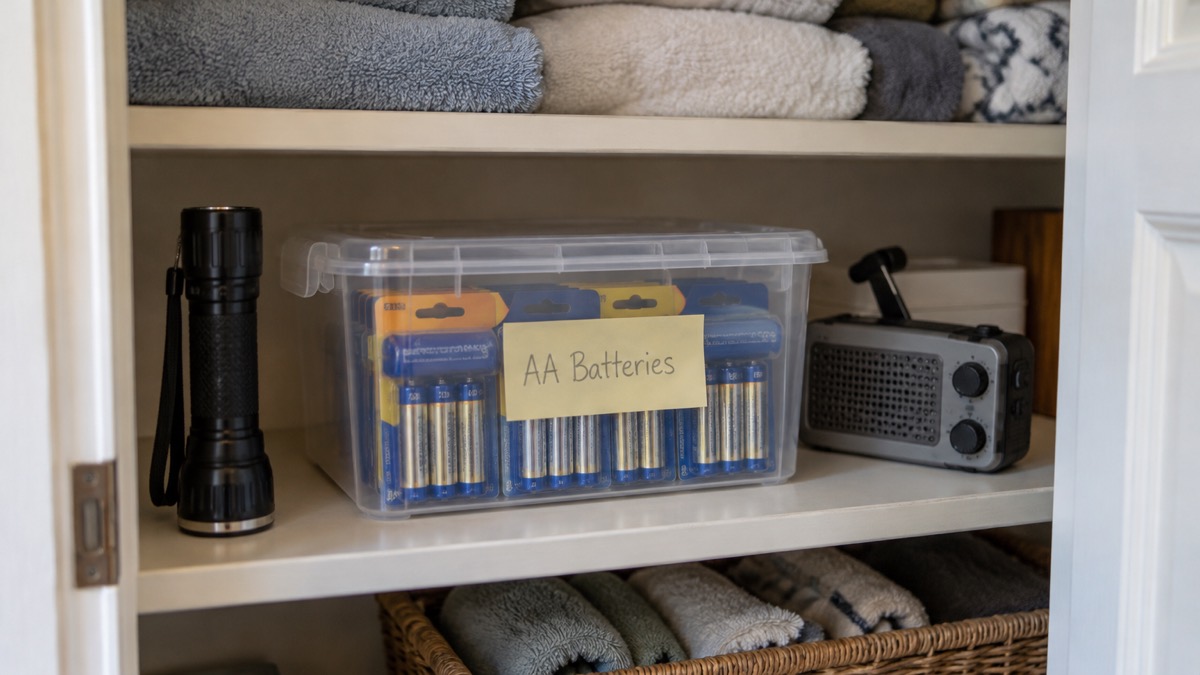
A simple kit arrangement works well. Keep the unopened pack in a labelled box or bag with the date you bought it written on the outside, alongside the torch and radio it belongs to. Keep the cells in their packaging so the contacts cannot touch. When you test the torch, use the oldest set first and put the new pack at the back, so the stock rotates rather than sitting until it is flat.
Where you store the box matters as much as how. Duracell's advice is a dry place at normal room temperature, with the contacts not touching3. A cupboard in a living area, away from radiators and damp, is the better home for a household's spare cells, and it is also the place you will remember when the lights go out.
Never recharge alkaline batteries
This is the one instruction on the page that carries a real risk of injury. Duracell states that only batteries specifically labelled "rechargeable" should be recharged, and that any attempt to recharge a non-rechargeable battery could result in rupture or leakage2. An MN1500 is not labelled rechargeable, so it does not go in a charger, whatever the charger's instructions say about other cells.
The reason is the chemistry. An alkaline cell is not built to be driven backwards, and forcing current through it can make it vent, leak or rupture12. The same warning applies to any non-rechargeable cell, including the zinc carbon and lithium types sold alongside alkaline12. If you want a rechargeable AA for a device you use heavily, the maker's rechargeable range is the route, and Duracell says its round cell rechargeables can be used in any device where you would normally use an alkaline battery, unless the device manufacturer states otherwise13.
"Only batteries that are specifically labeled "rechargeable" should be recharged. Any attempt to recharge a non-rechargeable battery could result in rupture or leakage."
For an emergency kit, the practical answer is to keep both. Alkaline AA cells for the torch, radio and alarm, stored for years and used once; a small set of rechargeable cells and a charger for the devices you use every day, so the alkaline stock stays untouched until it is needed. That way the emergency pack is never raided for the TV remote.
Leaks, disposal and recycling in the UK
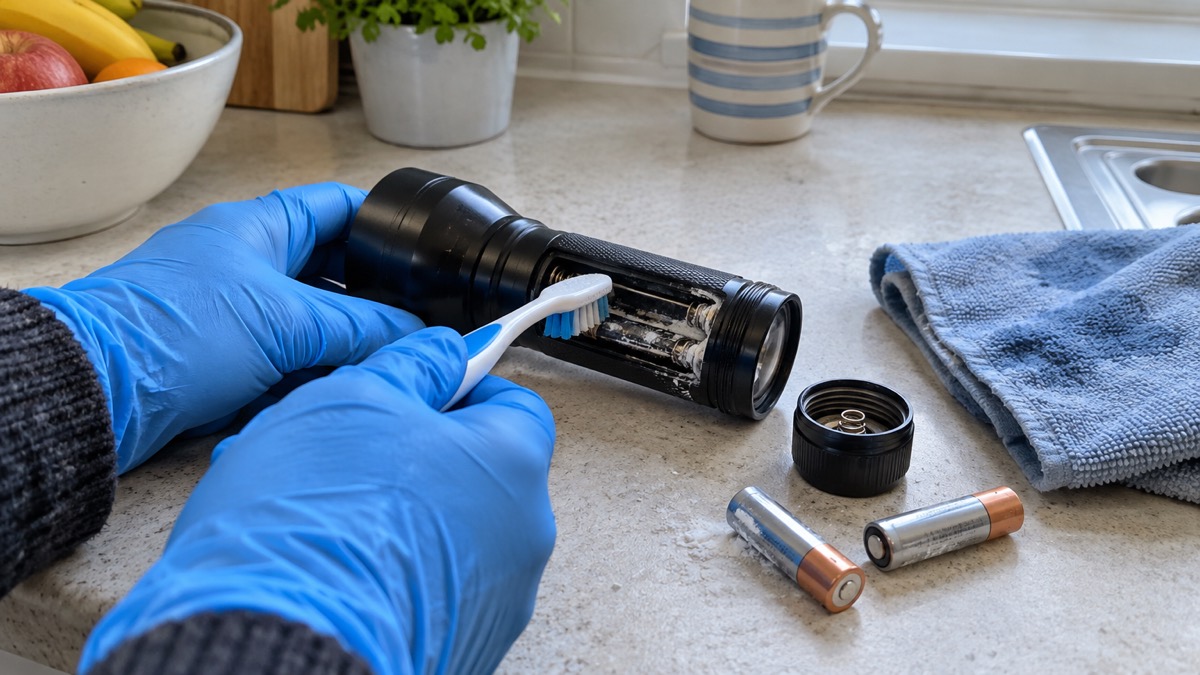
A leaked cell is unpleasant rather than dangerous, provided you clean it up properly. Duracell's instructions are to work in a well-ventilated area, wear household gloves and glasses, and remove the leakage from the contacts with a toothbrush or cotton swab10. For alkaline leakage it suggests one tablespoon of boric acid in one gallon of water, or a 50/50 mixture of diluted vinegar or lemon juice with water10. Make sure the device is completely dry before trying a new battery10.
If a cell is wet or covered with a white powdery substance, limit handling to proper removal and disposal, and wash exposed body surfaces and clothing with soap and water8. If contact with the eyes occurs, flush with running water for at least 15 minutes and then seek immediate medical assistance14. Keep the cleaning materials away from children, and wash your hands after handling a leaked cell even if you wore gloves.
Disposal in the UK is straightforward. Electrical Safety First says most large stores that sell batteries, such as supermarkets and hardware stores, have in-store collection bins for regular household batteries including AA, AAA, C and D sizes5. Duracell says all rechargeable batteries should be recycled, and that other batteries can and should be recycled as well15. Never put cells in general household waste, and never burn them.
Support, spares and where to get help
That is the place to start with a question about a specific cell, a batch or a device. Keep the pack, with its code and date, if you are raising a problem, so the batch can be identified.
For a household building a kit, the wider pages are as useful as the product page. Emergency lighting at home covers torches, lanterns and candles, and explains why a torch beats a candle when the power fails. Staying informed and in touch covers battery radios and keeping a phone charged. Power cuts sets out what to do when the supply fails, and the emergency kit page lists what a household should keep ready. Duracell's own range is set out on the Duracell page.
A few habits keep the kit working between emergencies:
- Keep cells in their packaging, never loose with metal objects8.
- Take spent cells to a shop collection bin rather than the bin5.
Sources (15)
- Duracell Plus AA Alkaline Batteries, Duracell, 2026-04-13
- Can Alkaline Batteries Be Recharged?, Duracell, 2026-10-26
- When Should I Remove Batteries from My Device?, Duracell, 2026-10-26
- Batteries Removed from Devices Not Expected to Be Used for Several Months, Duracell, 2026-10-26
- Recycling Electricals and Batteries, Electrical Safety First, 2026-10-28
- Can I Mix Old and New Batteries?, Duracell, 2026-10-26
- Do Batteries Contain Mercury?, Duracell, 2026-10-26
- Batteries Affected by Temperature, Duracell, 2026-10-26
- Duracell Help and Support, Duracell, 2026-10-26
- How Do I Handle Batteries That Have Leaked in a Device?, Duracell, 2026-10-26
- My Battery Turned Warm in My Pocket, Is That Normal?, Duracell, 2026-10-26
- Can I Recharge Any Battery?, Duracell, 2026-10-26
- Can Duracell Rechargeable Batteries Be Used in Any Device?, Duracell, 2026-10-26
- Battery Safety, Duracell, 2026-10-26
- How Do I Dispose of Batteries?, Duracell, 2026-10-26

 FireAngel FA3313 CO Alarm
 FireAngel FA3322 CO Alarm
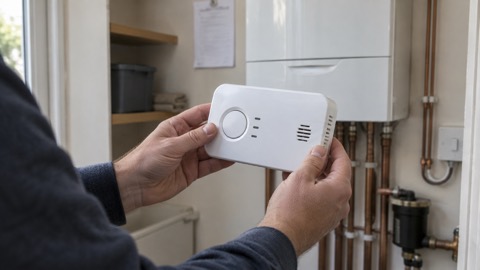 FireAngel FA3820 CO Alarm
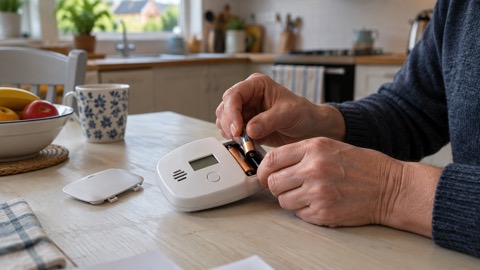 FireAngel FA6812 CO Alarm
 FireAngel FA6813 CO Alarm
 FireAngel FA6829S CO Alarm
 FireAngel CW1-PF CO Alarm
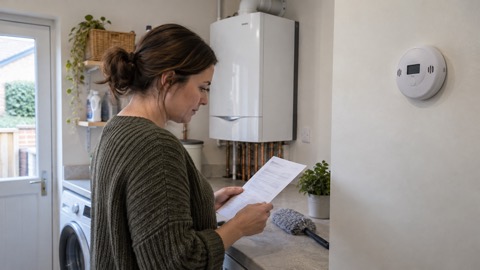 FireAngel W2-CO-10X CO Alarm
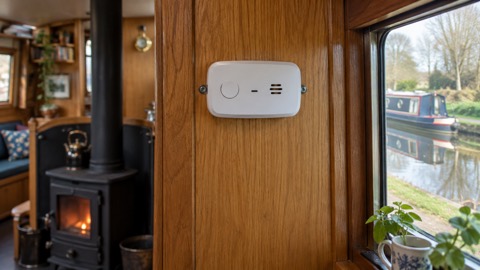 FireAngel FP1820W2-R CO Alarm
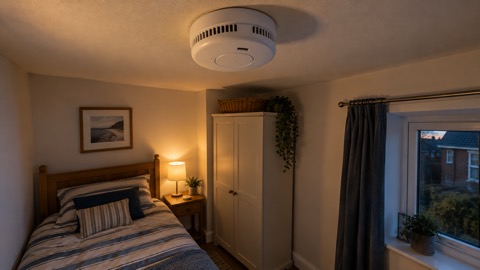 FireAngel FP2620W2-R Alarm
 FireAngel ST-632 Smoke Alarm
 FireAngel ST-750 Smoke Alarm