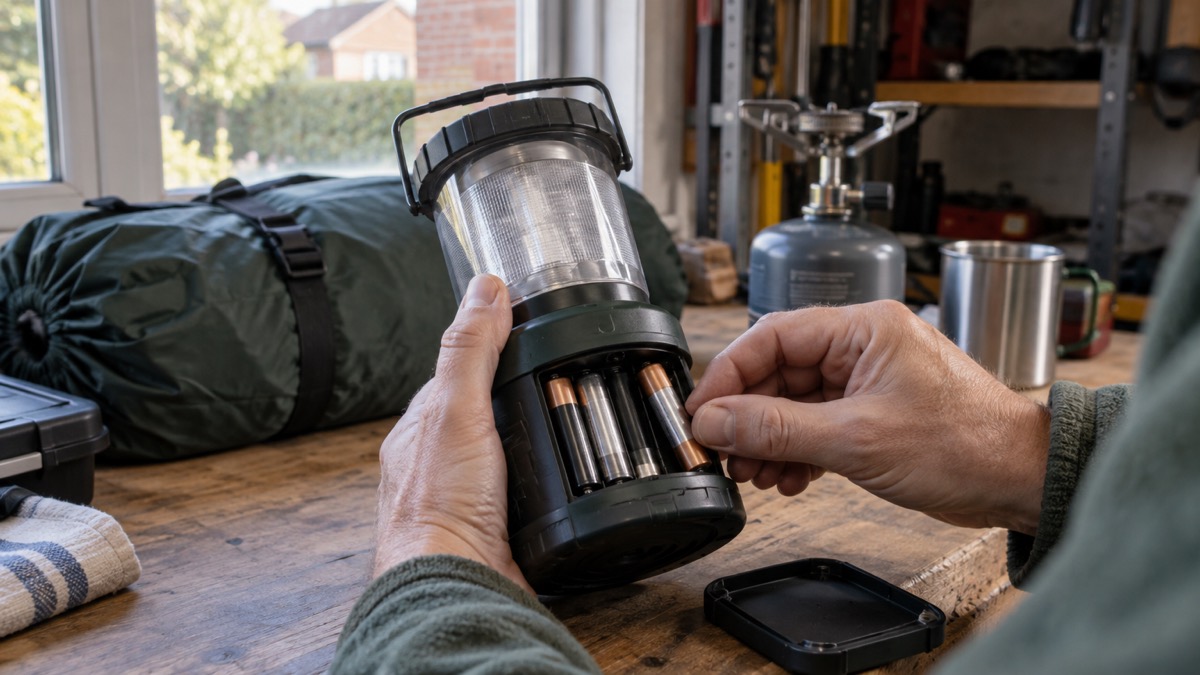
The GP GN15A is an AA size alkaline manganese battery at 1.5 volts, sold by GP Batteries as a mercury and cadmium free cell1. For a household putting together an emergency kit, it is the sort of plain AA battery that keeps a torch, a portable radio or a battery alarm working when the mains goes off. It is not a rechargeable cell, and the maker's datasheet marks it for the industrial market only, so it reaches most homes through trade or bulk channels rather than a retail blister pack1.
What that means in practice is simple. Check that your device takes AA cells and that the manufacturer specifies an alkaline battery, fit a full set of the same type and brand, and keep a few spares where you can find them in the dark. Do not put these cells in a charger, and do not mix them with other types or brands in the same device2.
This page sets out what the GN15A is, what its label tells you, how to check it fits your kit, and how to store, use and dispose of it safely. It is one battery among many a household might keep; the wider question of what to have ready is covered in the emergency kit guide.
Marked for the industrial market only
The first thing to know about the GN15A is that the maker's own datasheet carries the line "FOR INDUSTRIAL MARKET ONLY"1. That is not a warning about the battery's safety. It describes the sales channel: this is a cell GP supplies to trade and industrial buyers, often in bulk, rather than a pack designed for a supermarket shelf. A household that buys AA cells in a shop will more often meet GP's retail Super Alkaline range, which the maker sells in paper packaging designed to reduce plastic and store easily5.
For prepping, the distinction matters in two ways. First, buy from a source that stores cells properly and check the date and condition on arrival, because bulk packs can sit in a warehouse longer than a retail blister. Second, treat the industrial marking as a reminder to read the label rather than assume: the cell is a standard AA alkaline and behaves like one, but you should confirm the size and chemistry printed on the pack match what your device needs6.
The same principle runs through the maker's guidance for its other industrial cells: use the battery only for the applications it is designed for7. A torch, a radio, a wall clock or a battery smoke alarm is exactly that kind of application. A device that calls for a different chemistry is not.
What the GP GN15A is: an AA alkaline manganese cell
The datasheet describes the product as a "Mercury & Cadmium Free Alkaline Manganese Battery, AA Size" with a nominal voltage of 1.5 volts1. Those three facts do most of the work for a household. AA is the most common small cylindrical size in UK homes, 1.5 volts is the standard for a single alkaline cell, and alkaline manganese is the everyday chemistry found in most general purpose batteries.
Alkaline cells are the sensible default for emergency kit because they hold their charge well and suit the low to moderate drain devices a household relies on in a power cut: a hand torch, a battery radio, a clock. The maker's own guidance notes that alkaline batteries are often recommended for best performance because zinc carbon batteries have inferior life spans3. That is a reason to keep alkaline cells in your kit rather than general purpose cells.
The GN15A does not carry a capacity figure in the datasheet supplied here, so this page gives none. What you can rely on is the chemistry and the voltage, and the general rule that a fresh alkaline AA will outlast a zinc carbon cell of the same size in the same device3.
| Attribute | Detail |
|---|---|
| Product type | Mercury and cadmium free alkaline manganese battery, AA size1 |
| Nominal voltage | 1.5 volts1 |
| Chemical system | Alkaline manganese1 |
| Market marking | For industrial market only1 |
| Mercury and cadmium | No mercury and no cadmium added1 |
AA GN15A Alkaline, GN15A and AA GN15A: the names for this battery
You will see this cell sold and listed under several names: AA GN15A Alkaline, GN15A, and AA GN15A. They all point to the same GP product code. The letters and digits are GP's model identifier, not a size or a chemistry, so a listing that says only "GN15A" tells you nothing on its own about whether it is an AA cell or something else. Read the full description before you buy.
This is worth knowing when you are restocking a kit in a hurry. The reliable information is on the pack and the datasheet: AA size, 1.5 volts, alkaline manganese1. If a listing is vague, look for those three details. The same caution applies to any battery you add to your stores, whatever the brand.
Battery chemistry: alkaline manganese
Alkaline manganese is a primary chemistry, meaning the cell is designed to be used once and then replaced. It is not built to be recharged, and the maker's guidance is clear that you should always replace a battery with the size and type the equipment manufacturer specifies3. Putting a primary alkaline cell into a charger intended for rechargeable cells is not a shortcut to more power; it is a way to damage the cell and possibly the charger.
For a household, the practical consequence is that AA alkaline cells are a consumable. Keep a stock, rotate it, and know where the spares are. A torch that works for an hour and then dies is worse than no torch, because you will have planned around it. The emergency lighting guide sets out how torches and lanterns fit a household plan, and the power cuts guide covers what to do when the mains fails.
Rechargeable cells have their place too. The maker notes that rechargeable batteries can be used in any device where you would normally use an alkaline battery, unless the device manufacturer states otherwise, and that they are best suited to mid to high drain devices such as digital cameras or wireless game controllers8. A torch used every night in winter is a reasonable candidate; a torch that sits in a drawer for a year is better served by a fresh alkaline cell that will still be full when you need it.
Mercury and cadmium free: what the label means
GP states that all its cylindrical and coin alkaline batteries are free from toxic chemicals: mercury, lead and cadmium4. The GN15A datasheet carries the same claim in the form "NO MERCURY AND CADMIUM ADDED"1. This is a statement about what has been left out of the cell, not a claim that the battery is harmless if mistreated. It still contains metals, and it should still be stored and disposed of sensibly.
The wider battery industry has moved the same way. One maker notes that all versions of its batteries are mercury-free, having voluntarily stopped using mercury in general purpose batteries (AAA, AA, C, D and 9V sizes) in 1993, with hearing-aid batteries following in January 20119. Another explains that Chinese characters printed on some cells indicate that the batteries are mercury-free10. If you are reading a label and are not sure what a marking means, the safest course is to treat the cell as ordinary alkaline and follow the disposal advice below.
Alkaline batteries are made mainly from common metals: steel, zinc and manganese. The maker states that they do not pose a risk to health or the environment if used and disposed of appropriately2. That is the standard to aim for: use them as intended, and dispose of them as set out in the section below.
AA size: checking it fits your kit
AA is a size, not a guarantee. Before you load a device, check three things: that it takes AA cells, that the manufacturer specifies alkaline chemistry, and that the contacts are clean and undamaged. The fire and rescue service advises householders to buy the correct battery or device, making sure batteries are suitable for the device they are intended for and meet the manufacturer's specifications6. That single sentence prevents most of the problems people have with batteries in an emergency.
A few practical checks for a household kit:
- Read the device's battery compartment or manual and note the size and type it asks for.
- Fit a full set at once, all the same type and brand, and never mix old and new cells2.
- Check the expiry or best before date on the pack, and rotate your spares.
- Keep cells in their packaging until you need them, so the terminals cannot touch.
- Store spares somewhere you can reach in the dark, not in the loft.
Keeping a stock ready for a power cut
A battery is only useful if it is where you need it and still has charge. Build your stock around the devices you would actually reach for in a power cut: a torch for each floor, a battery radio, a clock, and any battery alarms. Keep the spares in the same place as the devices, in a labelled box or drawer, so that nobody has to search for them by torchlight.
Rotation is the discipline. When you test your torches, check the spares at the same time and move the oldest cells to the front. The maker's guidance on how long batteries last depends on the device and how it is used, so treat any pack date as a guide rather than a promise11. A simple habit works better than a complicated system: test the torch, check the date, replace what is old.
Temperature matters. The maker advises against storing batteries in extreme temperatures and notes that heat and cold affect performance12. A cupboard inside the house is better than a shed, a garage or a car. If your kit lives in a cold porch, bring the cells indoors for the winter.
Using the GN15A safely
The GN15A is a low risk cell when it is used as intended, but the same rules apply as to any battery. Fit it the right way round, matching the markings in the compartment. Do not force a cell into a holder that is the wrong size. Do not carry loose cells in a pocket or bag with keys or coins, where the terminals can bridge and the cell can heat up. The fire and rescue service's battery safety advice is built around exactly these points: buy the correct battery, fit it correctly, and do not let terminals touch metal6.
If a cell leaks, do not handle it with bare hands. Put on gloves, wipe the compartment with a damp cloth, and wash your hands afterwards. If a device becomes hot, smells strange or starts to smoke, stop using it, unplug it if it is mains powered, and move it somewhere safe. The fire and rescue service advises that if a battery fire starts, you should get out, stay out and call 99915. Never try to move a burning device.
Disposal of used cells
GP states that its alkaline cylindrical batteries can be discarded along with regular domestic waste, which the maker says lessens their impact on the environment4. That is the maker's position for this chemistry. Many households prefer to take used cells to a supermarket collection point or a household waste recycling centre, and either route is reasonable for an alkaline AA.
What you should not do is put batteries into your household recycling bin. The fire and rescue service advises checking items for hidden batteries before recycling them, because a battery buried in a bin lorry or a recycling plant can be crushed and ignite15. The same advice applies to small electricals and to vapes: dispose of damaged batteries safely at designated recycling facilities16.
If you are clearing out a drawer of old kit, empty the battery compartments first and deal with the cells separately. That one habit removes a common cause of fires in waste collections.
Where the GN15A fits a household plan
The GN15A is a workhorse AA cell, not a specialist product. Its place in a household plan is in the devices that keep you informed and safe when the power is off: the torch by the bed, the radio on the kitchen shelf, the clock that tells you the time when the oven display has gone dark. It is not rechargeable, so it belongs in the consumable part of your stores, alongside spare fuses and a spare bulb, rather than in the kit you charge and reuse.
If you are building out a kit, the emergency kit guide sets out what a household should keep ready, and the backup power guide covers the larger question of keeping devices charged when the mains is down. For the lighting itself, the emergency lighting guide explains the choice between torches, lanterns and candles, and why the fire service advises against relying on flames. For the wider picture of how a UK household prepares, the getting started guide is the place to begin.
For the maker's wider range, see the GP Batteries brand page.
Sources (16)
- GP GN15A Alkaline Battery Datasheet, GP Batteries, 2018
- Can I mix different battery types?, Duracell UK, 2026
- Can I recharge any battery?, Duracell UK, 2026
- Alkaline Cylindrical Batteries, GP Batteries, 2026
- GP Super Alkaline AA, GP Batteries, 2026
- Battery Safety, West Yorkshire Fire and Rescue Service, 2026
- GP Lithium Cylindrical Batteries Catalogue, GP Batteries, 2018
- Duracell Hi-Speed Value Charger, Duracell UK, 2026
- I think my battery is on fire, Duracell UK, 2026
- What do the Chinese letters on batteries mean?, Duracell UK, 2026
- How long do batteries last?, Duracell UK, 2026
- Which battery type should I use in extreme temperatures?, Duracell UK, 2026
- Batteries affected by temperature, Duracell UK, 2026
- Batteries removed from devices, Duracell UK, 2026
- Be Battery Aware, Greater Manchester Fire and Rescue Service, 2026
- Fire safety tips: smoking, vaping and e-cigarettes, Warwickshire County Council, 2026

 FireAngel FA3313 CO Alarm
 FireAngel FA3322 CO Alarm
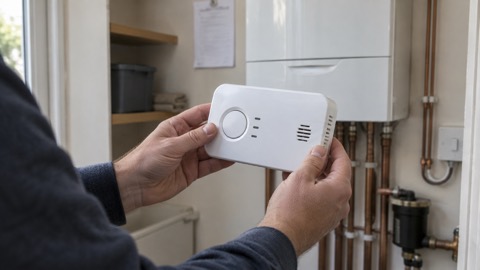 FireAngel FA3820 CO Alarm
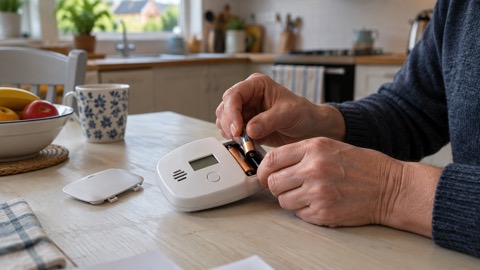 FireAngel FA6812 CO Alarm
 FireAngel FA6813 CO Alarm
 FireAngel FA6829S CO Alarm
 FireAngel CW1-PF CO Alarm
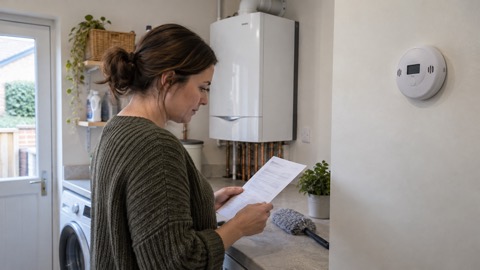 FireAngel W2-CO-10X CO Alarm
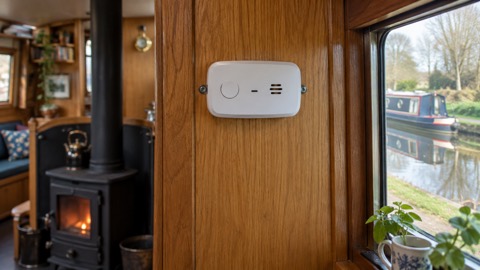 FireAngel FP1820W2-R CO Alarm
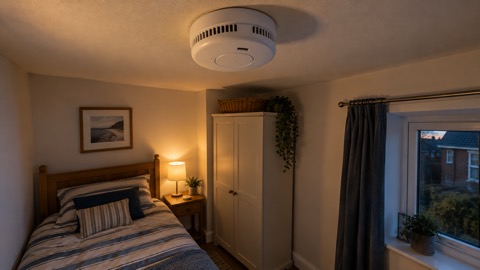 FireAngel FP2620W2-R Alarm
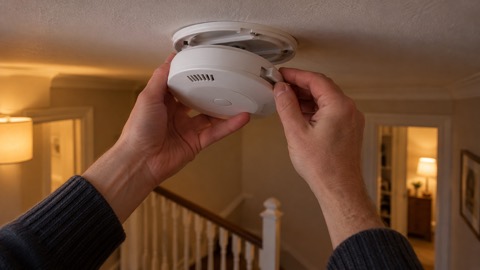 FireAngel ST-632 Smoke Alarm
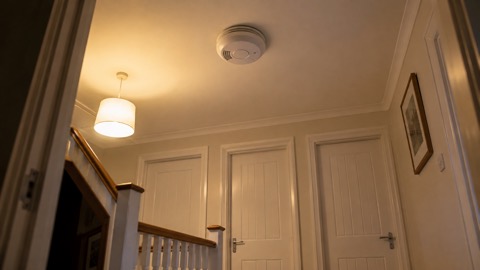 FireAngel ST-750 Smoke Alarm