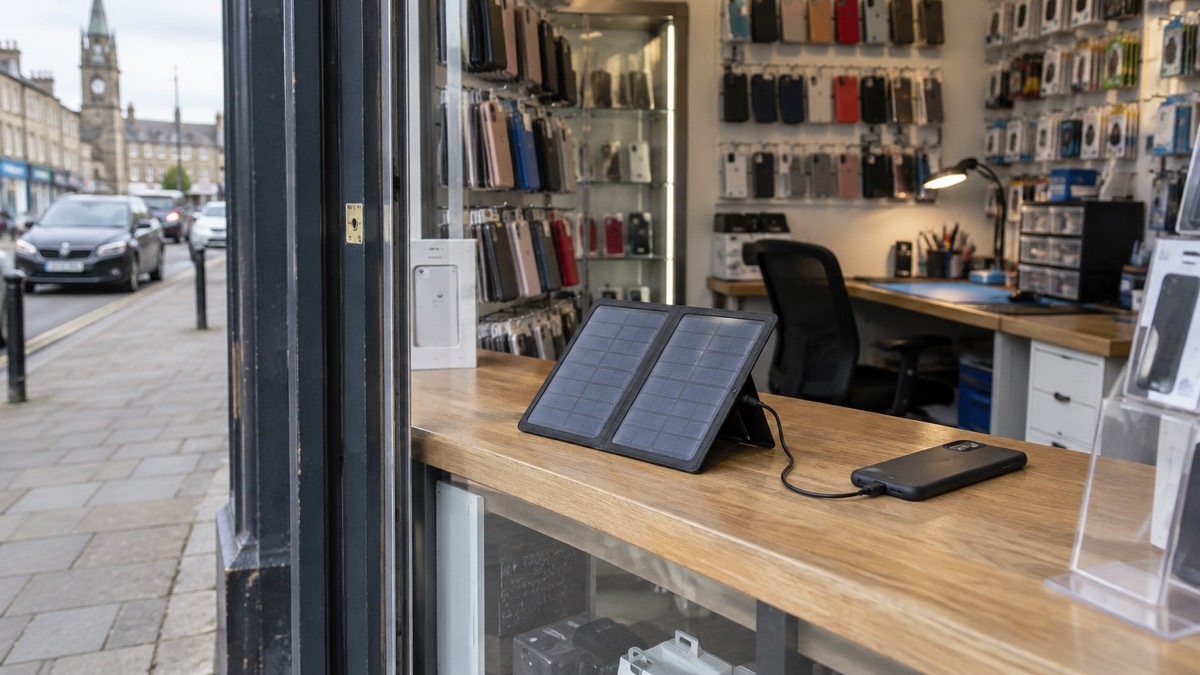
The Anker SOLIX PS30 is a folding 30W solar panel that charges a phone or tablet directly through its own USB-C and USB-A ports, with no power station or battery in between. For a household preparing for a power cut, that makes it a last line of defence for keeping a phone alive when the mains is off and every power bank in the house is flat. It weighs 1.1 kg and folds to 272 by 224 by 43 mm, so it can live in a cupboard with the rest of your kit and come out when it is needed1.
It is not a generator and it does not store anything. It only makes power while sunlight falls on it, and the maker describes it as compatible with low-power devices such as mobile phones and tablets2. If you want to run a fridge, a router or a lamp, you need a battery that stores energy, which is a different piece of kit. This panel is about one job: putting a little charge into small devices when there is no other way to do it.
The panel is made by Anker, and the maker's own figures are the ones to rely on here. One point to note before you buy: the maker lists the weight as 1.1 kg on its UK page, while its Australian page gives 2.4 lb, and the two documents disagree. The 1.1 kg figure is the one quoted throughout this page1.
What the SOLIX PS30 is and what it is for
The PS30 is a portable solar panel rated at 30W, with two USB outputs built into it: a USB-C port at 5V/3A and a USB-A port at 5V/2.4A2. Those are the same kinds of socket you find on a power bank, which is the point. You plug a charging cable straight from the panel into the device, and the panel turns sunlight into a small trickle of power. There is no battery inside, so nothing is stored for later.
That shapes what it is good for in an emergency. A power cut, a storm that takes the overhead lines down, or a flood that cuts power to the street all come down to the same problem for most households: the phone battery drains and there is no way to top it up. A panel like this gives you a way to charge a phone or a tablet from daylight, without needing a charged battery to start with. The maker's own description is of a 30W panel for charging multiple devices from the sun1.
It is worth being clear about what it is not. It is not a substitute for a portable power station, which stores energy and gives you mains sockets. It is not a home solar system, and it is not something you wire into the house. It is a small, light panel that sits in the sun and charges a phone. Used that way, it earns its place in a power cut kit as the fallback for when everything else has run down.
SOLIX PS30 specifications
The maker's figures are set out below. They are the ones that decide whether the panel suits your household: the weight and folded size decide whether it goes in a bag, the ports decide what it can charge, and the weather rating decides where you can leave it.
| Specification | Figure |
|---|---|
| Rated power | 30W2 |
| USB-C output | 5V/3A2 |
| USB-A output | 5V/2.4A2 |
| Weight | 1.1 kg1 |
| Dimensions, folded | 272 × 224 × 43 mm1 |
| Dimensions, unfolded | 904 × 272 × 18 mm1 |
| Weather protection | IP652 |
| Warranty | 18 months2 |
The IP65 rating is the one to understand before you leave the panel outside. The maker describes it as weather-resistant protection that protects the panel from spraying and rain2. That means a shower or a damp morning should not harm it, but it is not a waterproof device in the sense of surviving being dropped in water. The maker's instruction is explicit: do not immerse it in water2. Keep it out of puddles, off wet ground where it might sit in a pool, and away from flood water.
The weight figure is worth a note. The maker's UK page gives 1.1 kg1, while its Australian page gives 2.4 lb for the same panel. The two documents disagree, and this page uses the 1.1 kg figure. Either way, it is light enough to carry in a rucksack alongside other kit.
Charging phones and tablets from the USB-C and USB-A ports
Using the panel is simple, and that is part of its value in an emergency when you may be tired, cold or in a hurry. The maker's own description is that the panel is compatible with low-power devices such as mobile phones and tablets2. The steps are:
- Unfold the panel fully and lay it flat, face up, with nothing shading it.
- Plug your charging cable into the USB-C port or the USB-A port, whichever matches your device.
- Plug the other end into the phone or tablet.
- Leave it in direct sun and check the device screen to confirm it is charging.
- Fold it away and bring it indoors when you have finished, or when the weather turns.
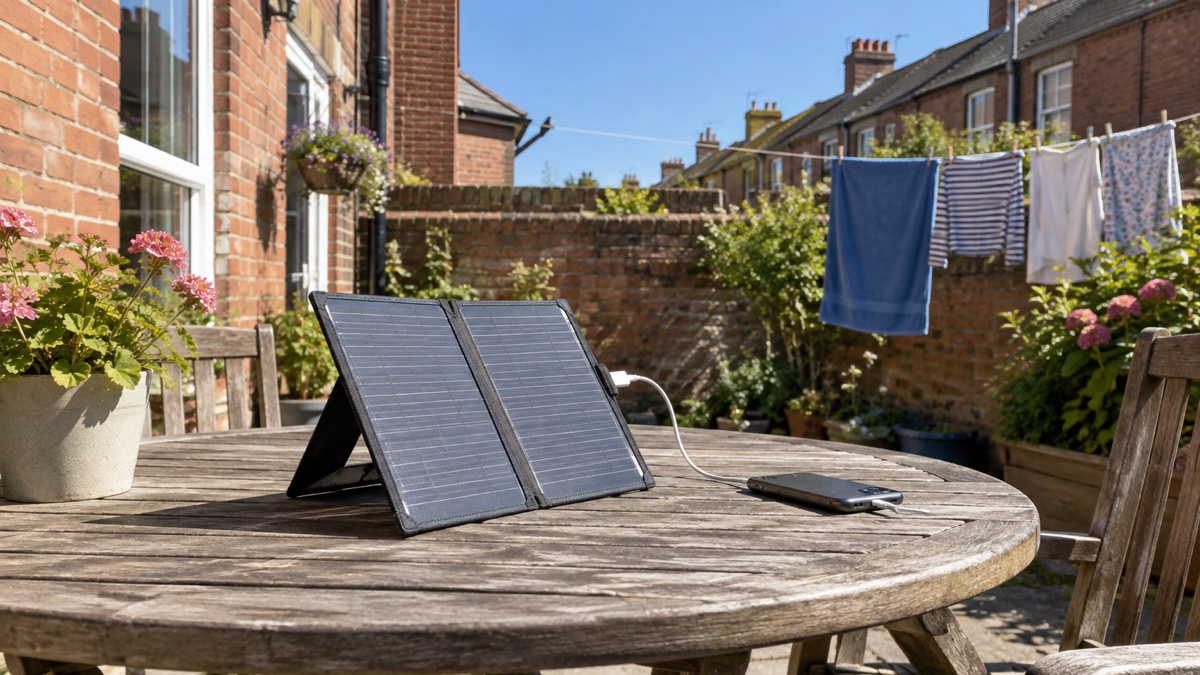
The two ports are not the same. The USB-C port is rated 5V/3A and the USB-A port 5V/2.4A2. If your phone came with a USB-C cable, use the USB-C port. If it uses an older USB-A cable, use the USB-A port. The panel does not need setting up, pairing or configuring, which is what you want from kit you may only reach for once or twice a year.
What it will not do is charge a laptop or anything that expects mains power. The maker's compatibility statement is limited to low-power devices, and the ports are 5V, so treat it as a phone and tablet charger2. If you need to keep a laptop or a router running, that is a job for a battery with mains sockets, and the USB-C charging page explains how the cables and power delivery side of that works.
Using it outdoors: weather, weight and carabiners
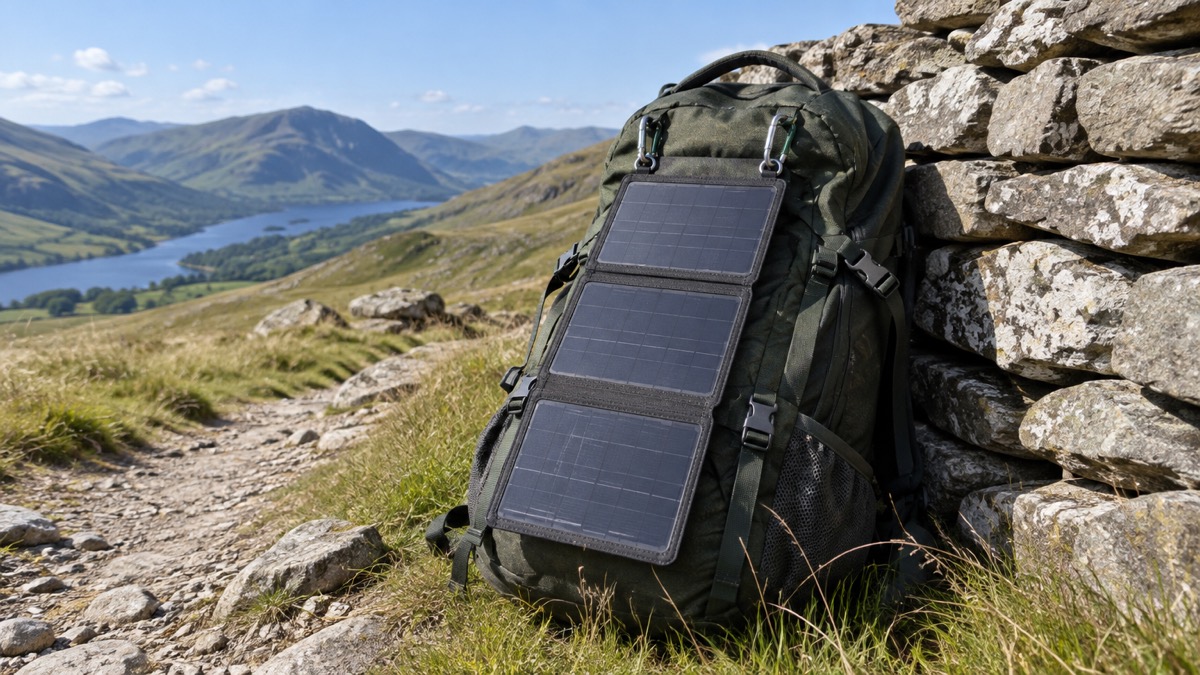
The maker's advice is direct: for best results, keep the solar panel outdoors2. A window reduces the light that reaches the panel, and a panel behind glass in a dim room will do very little. In a power cut, that means putting it outside, on a balcony, in a garden, on a flat roof you can reach safely, or hung from a fence or a rucksack while you are out.
The carabiners in the box are there to help with that. Two come with the panel2. The maker does not set out a fitting method in its product information, so the practical approach is to use them to hang the panel from a loop, a rail or a strap so that its face points at the sun and nothing shades it. Check the fixing before you walk away, and bring the panel in if wind is forecast to be strong, since a light panel hung from one point will catch the wind.
Weather is the other thing to plan for. The IP65 rating covers spraying and rain2, so a passing shower is not a disaster, but the maker's instruction not to immerse it in water is the limit2. Do not leave it lying on ground that pools with water, and do not use it near flood water. If you are charging during a storm, bring it in when the weather closes in and accept that the charge will wait.
Where a 30W USB panel fits in a household emergency kit
A 30W panel is a small source of power, and it is honest to say so. It will not run a fridge, a boiler or a heater, and it will not keep a power station topped up in any meaningful way. What it does is give a household a way to charge a phone when every other option has failed, and that is a real need in a long outage: a charged phone is how you call for help, check on neighbours and follow official advice.
Think of it as the bottom layer of a stack. At the top are the things that keep the house running: a portable power station or a generator, sized to what you need to keep going. Below that are power banks, charged and ready, which cover the first day or two. Below that, for when the power banks are flat and the mains is still off, is a panel like this one, which needs nothing but daylight. The portable solar panels page sets out the wider range of panels and what each is for.
It also suits particular households. If you live in a flat with no garden, a small folding panel hung from a balcony rail is more practical than a large rigid panel. If you travel or camp, it packs into a bag. If you are building a kit for the first time, it is a low-cost way to add a charging option that does not depend on having remembered to charge anything beforehand. The backup power section covers how to decide what to keep running and in what order.
What comes with the panel, warranty and support
The box contains the 30W Anker Solix solar panel, two carabiners, a user manual, an 18-month worry-free warranty and access to the maker's customer service2. That is a short list, and it is worth checking it on arrival so that you know the carabiners and the manual are there before you store the panel away.
The warranty is 18 months2. That is the cover for this panel, and it is shorter than the cover on Anker SOLIX solar generators, which the maker lists with a 5-year full device warranty3. Do not assume the longer cover applies here. Keep the order confirmation and the manual together with the panel, so that if something fails you have what you need to make a claim.
For support, the maker points to its customer service as part of what you get with the panel2. If the panel stops working, check the obvious things first: that the cable is seated in the port, that the device is charging from another source, and that the panel is in direct sun with nothing shading it. If it still does not work, contact the maker's customer service with your proof of purchase.
Storage matters too. Keep the panel folded, dry and out of direct sunlight when it is not in use, and check it before each winter alongside the rest of your backup power checks. A panel that has sat damp in a shed for a year is less likely to work when you need it. The safe charging setup checklist covers the wider habits that keep charging kit reliable.
Sources (3)
- 30W Portable Solar Panel, Anker SOLIX, 2026
- PS30 Portable Solar Panel, Anker SOLIX, 2026
- Solar Generators, Anker SOLIX, 2025

 BLUETTI Apex 300 Power Station
 BLUETTI Elite 100 V2
 Anker SOLIX C2000 Gen 2
 Anker SOLIX C1000 Power Station
 EcoFlow DELTA Pro
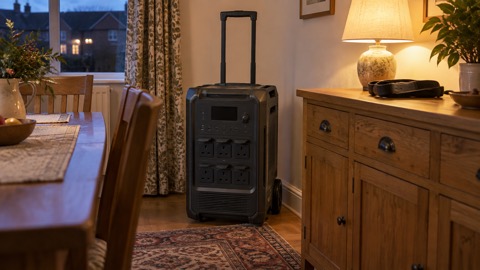 BLUETTI Elite 400
 Anker SOLIX C300 Power Station
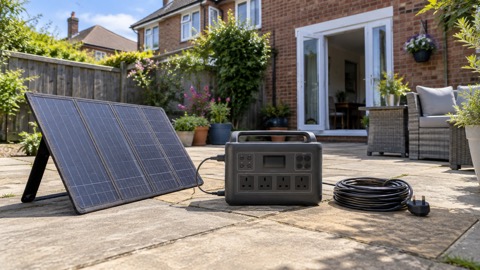 EcoFlow DELTA 3
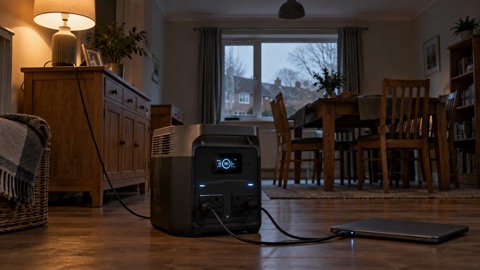 EcoFlow DELTA 2 and DELTA 2 Max
 EcoFlow DELTA and DELTA Max
 EcoFlow RIVER 3 and RIVER 3 Plus
 EcoFlow RIVER 2 and RIVER 2 Max