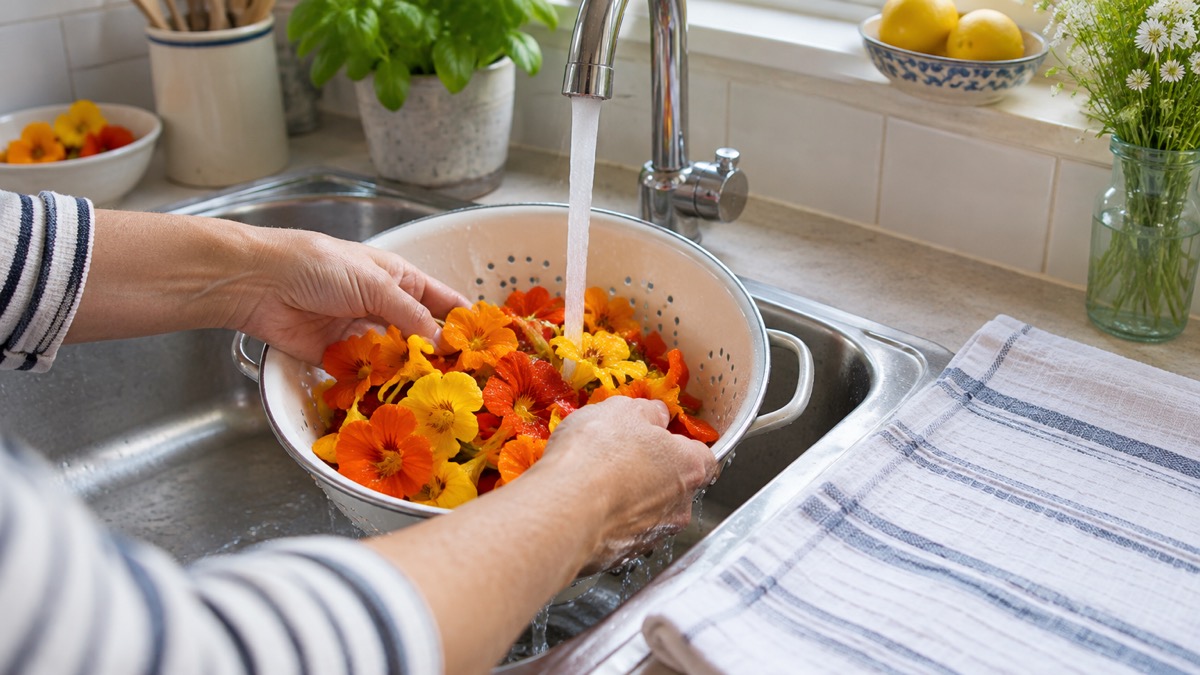
Yes, some flowers are safe to eat, but not every flower is, and some people will react to certain ones. The Royal Horticultural Society's guidance is blunt: always check what you are eating is safe to eat, and some people may react to certain flowers, often depending on underlying medical conditions1. A severe allergic reaction is a medical emergency that must be treated with adrenaline2.
So the practical answer has three parts. Identify the flower correctly before it goes anywhere near a plate. Eat only flowers you know are edible and have grown yourself, or that are specifically sold for eating, because bought flowers may have been treated with chemicals1. And know the signs of a reaction, because a severe one needs an adrenaline injection and an ambulance, not a wait-and-see approach3.
This page sets out which flowers are commonly grown for eating, how to prepare and wash them, who is more likely to react, and what to do if someone does. It is written for an ordinary UK household with a garden, an allotment or a windowsill, not for a trained forager.
The answer: some flowers are edible, some are not, and some people react
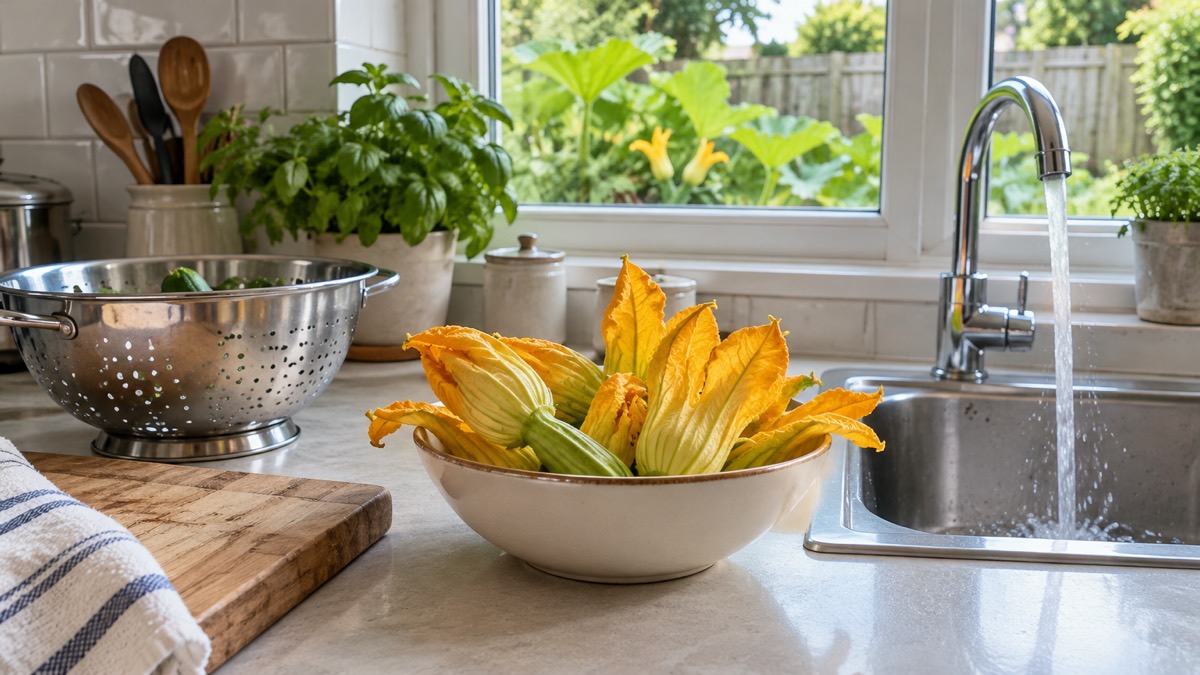
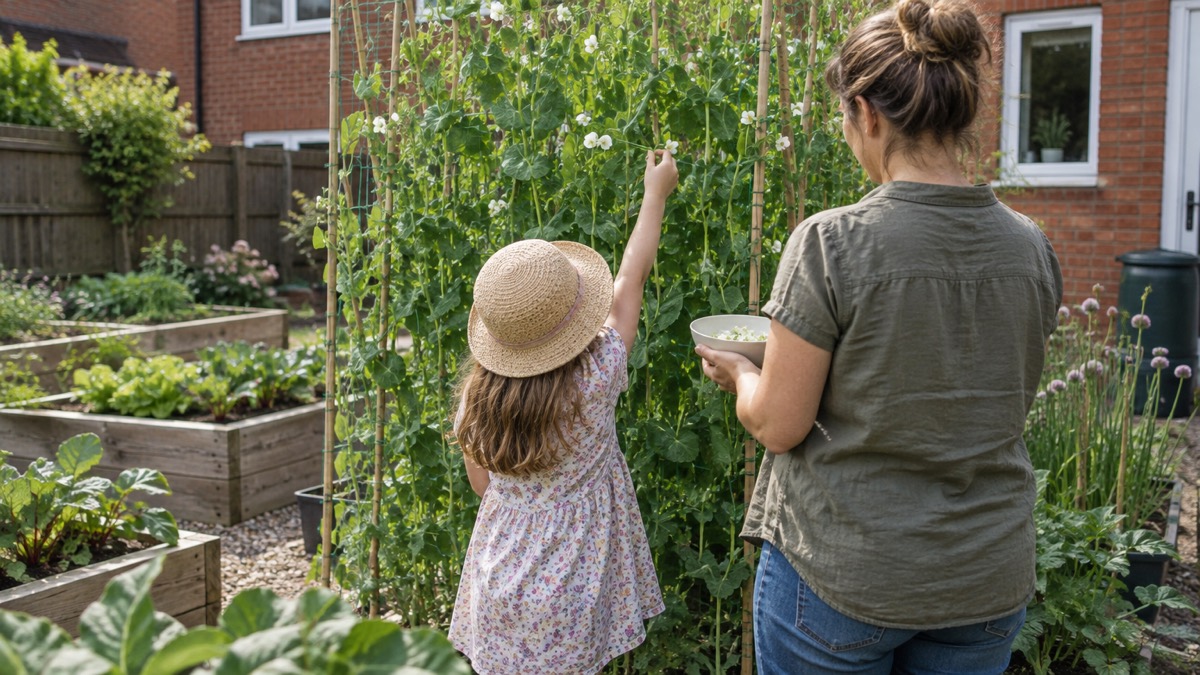
The flowers most often grown at home for the kitchen are the ones from the squash family. Courgette, marrow and squash flowers are edible, and the RHS suggests eating them stuffed and baked, fried in a light batter, or added to stir fries. It is best to eat some of the male flowers and leave the female ones to produce fruit1. Pea flowers are also edible, many are colourful, and they make a tasty addition to leafy salads1.
That is the safe end of the spectrum. The dangerous end is the assumption that anything pretty, or anything growing on a vegetable plant, can be eaten. The RHS warns directly: don't assume all vegetable flowers are edible, and gives potato as an example of one that is poisonous1. The Royal Society for the Prevention of Accidents makes the same point about the garden generally: some plants and berries are poisonous or can cause an allergic reaction5.
Reactions are the second half of the answer. Some people may react to certain flowers, and it often depends on underlying medical conditions1. A severe allergic reaction, anaphylaxis, is a medical emergency and requires immediate treatment, and must be treated with adrenaline2. Common causes include pollen, stings and bites, latex and some food items such as nuts, shellfish, eggs or dairy6. The main cause is exposure to an allergic substance, which may include foods such as nuts, cows' milk, eggs, fish, shellfish or sesame seeds, insect stings, medicines, anaesthetics, latex, aerobic exercise, and sometimes unknown triggers7.
So the answer to "can eating flowers cause a reaction" is yes, for some people, and the sensible response is not to avoid all flowers but to know your own history, identify what you pick, and be ready to act if something goes wrong.
When it applies: who is more likely to react
Most households will never have a problem with a well-identified edible flower. The risk rises for people with a known allergy, asthma, or a previous severe reaction.
Having had a previous severe allergic reaction or reactions makes a severe reaction more likely8. If your asthma needs more treatment than usual, Allergy UK advises you take extreme care to avoid those foods or substances that might cause a reaction9. That is a strong instruction, and it applies to flowers as much as to nuts.
Other factors can make a reaction worse on the day. Allergy UK lists physical exercise, medication (prescription and recreational drug use), alcohol, stress, infection or high temperature, and hormones among the things that affect the severity of an allergic reaction4. So a person who has eaten a flower safely before may still react if several of these are in play.
Food poisoning is a separate risk from allergy, and it is not something you can spot. Shropshire Council's food safety guidance is clear: you can't tell, because even food which looks and tastes good can cause food poisoning10. For some people, like young children, older people and those with weaker immune systems, the effects can be serious11. Certain foods can create illnesses if they contain plant poisons, chemicals, pesticides or allergy-causing products12.
The practical upshot is a short list of people who should be more careful than the rest of us:
- Anyone with a previous severe allergic reaction8
- Young children, older people and those with weaker immune systems, for whom food poisoning can be serious11
If you are in one of those groups, the safest course is to leave garden flowers off the plate unless you are certain of both the plant and how it was grown.
What to do: identify, prepare and wash
The order matters. Identify the flower first, then decide whether to eat it, then prepare it. Getting that sequence wrong is how most accidents happen.
Identify it. Always check what you are eating is safe to eat1. Do not rely on a phone app alone for anything destined for a child's plate.
Check where it came from. Don't use bought flowers, unless they are specifically sold for eating, as they may have been treated with chemicals1. That covers florist bouquets, supermarket bunches and garden centre displays. If the label does not say the flowers are grown for eating, treat them as decoration.
Pick the right flowers. For courgette, marrow and squash, take some of the male flowers and leave the female ones to produce fruit1. Pea flowers can go straight into a salad1.
Prepare and wash. Rinse gently in clean water just before use, handle the petals lightly, and keep them cool. Use them the same day where you can. The RHS preparation advice for squash flowers is to eat them stuffed and baked, fried in a light batter, or added to stir fries1.
Watch the first time. Give a small amount to anyone who has not eaten that flower before, and keep an eye on them for the next two hours, because signs of an allergic reaction usually occur within minutes of being exposed to an allergen but can appear up to two hours after exposure4.
Staying safe: the plants to leave alone
The biggest danger with edible flowers is not the flower you know, it is the one you mistook for something else. A few common garden and Christmas plants are worth knowing by name.
Potato flowers are poisonous and not edible1. Holly berries can lead to vomiting or diarrhoea, and the spiky leaves can irritate skin14. Ivy, if ingested, may cause stomach pain, vomiting, diarrhoea and skin irritation14. Poinsettia, if eaten, can lead to irritation of the mouth, excess salivation and vomiting15. These are garden and household plants rather than kitchen ingredients, but they matter because children and pets put things in their mouths.
If a child has swallowed household or garden chemicals, act quickly to get them to A&E. If there is staining, soreness or blistering around the mouth, give milk or water to sip to ease the burning and get them to hospital quickly16. For poisoning more generally, the NHS lists amber warning features that mean you should seek medical help: a rash or skin irritation, vomiting or mild abdominal pain, a headache, a substance that is a medication or poisonous plant or a bottle or packet that suggests seeking medical help or has warning symbols, breathing a bit faster than normal, dry skin, lips or tongue, not having had a wee or wet nappy in the last 8 hours, irritability, swelling of a limb or joint, or getting worse or you are worried17.
NHS Scotland lists red flags that mean urgent help: vomiting blood or vomit that looks like ground coffee, yellow-green or green vomit, possibly having swallowed something poisonous, a stiff neck and pain when looking at bright lights, a sudden severe headache or stomach ache, blue, grey, pale or blotchy skin, lips or tongue, severe difficulty breathing, or being confused or not responding as usual18.
If someone reacts: what to do and when to call for help
Signs of a severe reaction include a rash, itchiness or swelling on the hands, feet or face, breathing that may slow down, and vomiting or diarrhoea19. These can come on fast.
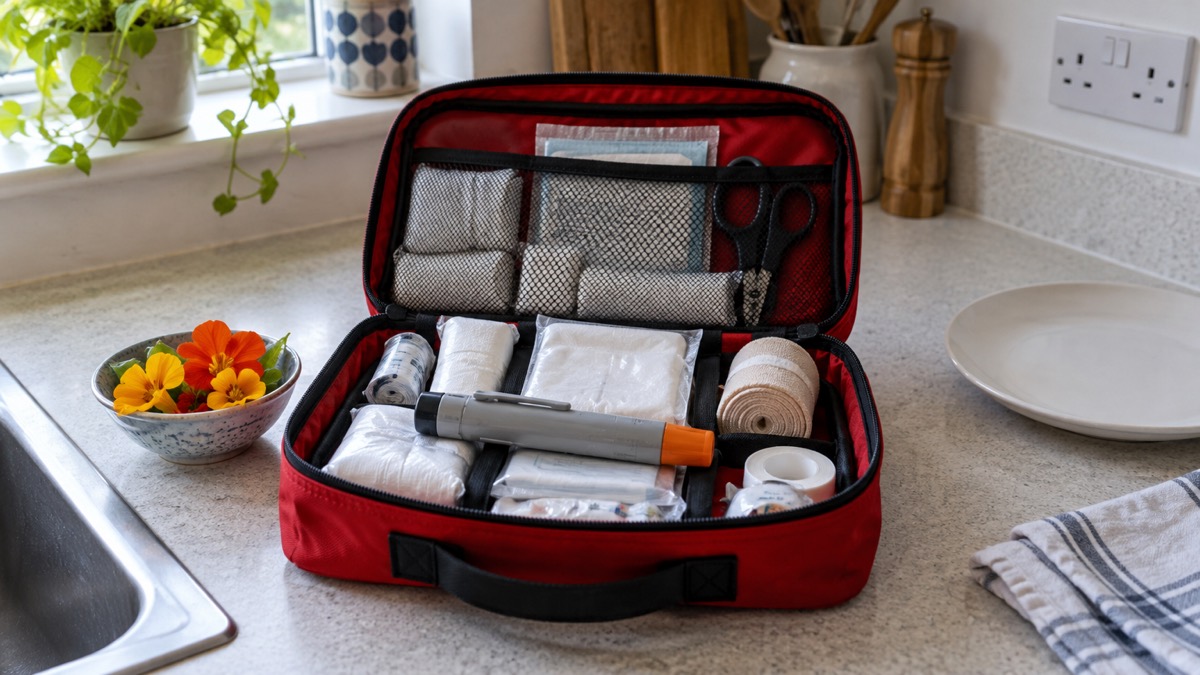
The response is the same whether the trigger was a flower, a nut or a sting. Give the adrenaline injection as soon as a severe reaction is suspected, then call an ambulance immediately afterwards3. Do not wait to see whether it settles. Anaphylaxis is a medical emergency and requires immediate treatment, and must be treated with adrenaline2.
If the reaction is milder, or you are unsure, the NHS advises visiting your doctor as soon as possible if you think you have food poisoning; they might ask you to submit a sample for examination, or you can request to submit one20. For a child with a suspected poisoning, the advice is to act quickly and get them to A&E16.
One point worth knowing if an insect is involved: removing the sting may not reduce the risk of an allergic reaction for someone with a severe allergy6. So do not assume that dealing with the sting has dealt with the reaction.
"It is a medical emergency and requires immediate treatment."
Where to get help and how to check
Help is available at several levels, and it is worth knowing which to reach for.
- 999 for a severe allergic reaction, breathing difficulty, or a child who is severely unwell19
- NHS 111 for advice when you are unsure how serious a reaction or suspected poisoning is
- Your GP if you think you have food poisoning, and they may ask for a sample20
If you keep a first aid kit at home, check it contains what you would need for an allergic reaction, and know where any prescribed adrenaline auto-injector is kept. Our guide to first aid at home covers the wider kit, and health emergencies explains what to do when medicine supplies are disrupted.
For households growing their own food, the wider self-reliance section covers growing your own vegetables, sowing seeds and storing the harvest. If you keep animals, our pets and animals guide covers plants that are harmful to them, and extra help explains support for households with medical dependencies.
Sources (20)
- Edible flowers, RHS, 2026
- Anaphylaxis, Allergy UK, 2026
- The emergency treatment of anaphylaxis in schools, Anaphylaxis Campaign, 2020-06-17
- Anaphylaxis: the four As, Allergy UK, 2025-03-17
- Preventing accidents in the home, RoSPA, 2026-10-26
- Allergic reaction first aid, British Red Cross, 2026-10-29
- Adrenaline Auto-Injectors (AAIs) Safety Campaign - AAI Safety Campaign, AAI Safety Campaign (aaisafety.campaign.gov.uk)
- Anaphylaxis and severe allergic reaction factsheet, Allergy UK, 2026
- Care and medication - Allergy UK incorporating Anaphylaxis UK, Anaphylaxis UK (Allergy UK incorporating Anaphylaxis UK)
- Food poisoning and waterborne infections, Shropshire Council, 2026-10-29
- Food safety in the kitchen, Food Standards Scotland, 2026-11-04
- Creator: Microsoft® Office Word 2007, NHS Borders
- Recalls and alerts - GOV.UK, Food Standards Agency
- Pets and Christmas, RSPCA, 2026-10-29
- Christmas dangers for pets - RSPCA - rspca.org.uk, RSPCA
- NHS 111 Wales - Pregnancy Guide, NHS 111 Wales
- Poisoning, Frimley Healthier Together, 2023-05-17
- Food poisoning, NHS Inform Scotland, 2026-08-17
- Basic first aid :: Healthy Child Wolves, Healthy Child Wolves (Royal Wolverhampton NHS)
- Infectious diseases, Northumberland County Council, 2026-10-28
 Hydroponic System Parts List
 Year-Round Sowing Calendar
 Preserving Equipment Checklist
 Blanching Vegetables
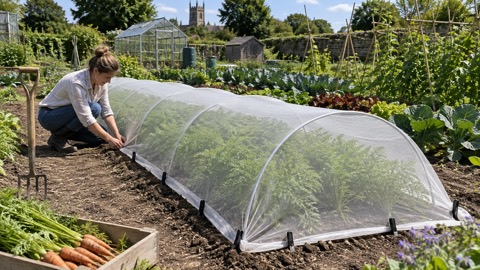 Carrot Fly Protection
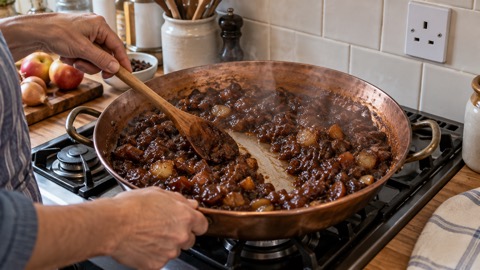 Knowing When Chutney Is Ready
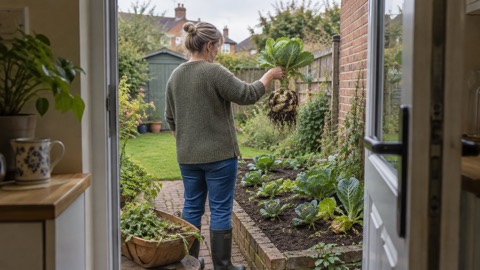 Clubroot in Your Soil
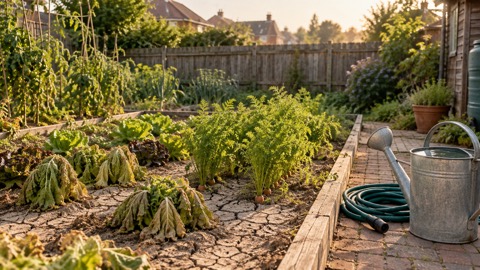 Drought-Resistant Vegetables
 Extending the Growing Season
 Freezing Fruit Without Sugar
 Garden Fleece Frost Protection
 Avoiding the Hungry Gap
 Keeping Varieties Pure for Seed
 Making Leafmould
 Growing Microgreens Indoors