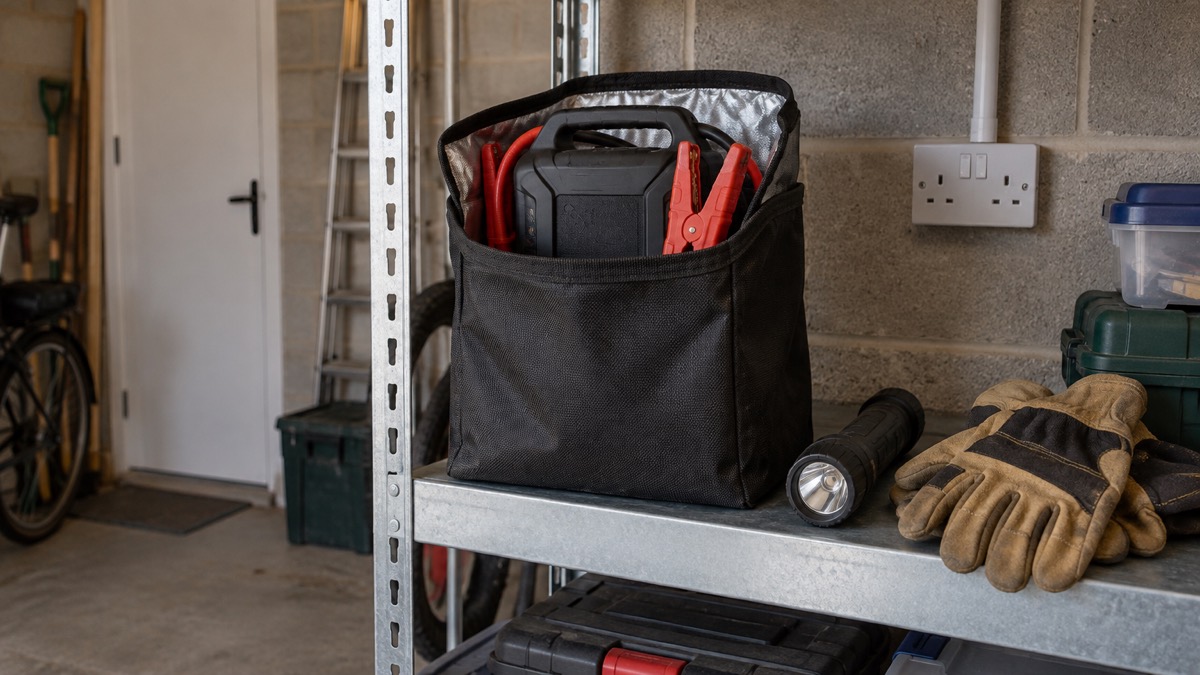
The Ring RPPL260 Fast Charge Jump Starter 260 is a portable lithium jump starter, the kind of kit a household keeps so that a flat car battery on a cold morning, or a battery drained during a long power cut, does not leave you stranded. It is the sort of thing that earns its place in a car emergency kit.
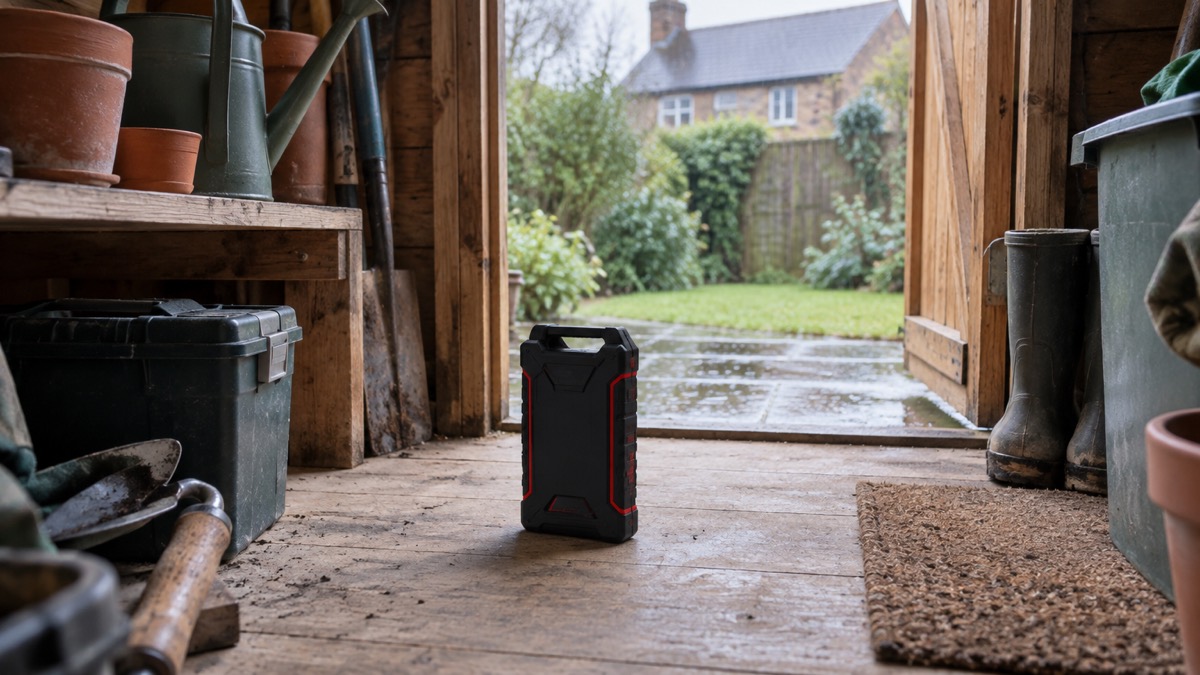
But if you own one, the first thing to know is that it has been recalled. Ring Automotive recalled all RPPL260 units, alongside the RPPL360, because current investigations showed the product can short-circuit and overheat1. The maker's instruction to owners is blunt: stop using it immediately and store it outside, protected from water and rain1.
This page sets out what the recall covers, what to do about a refund, how to get the safe transportation bag Ring issues for returning or disposing of the unit, and where a recalled lithium battery has to go. It also explains what the jump starter was for, so that a household replacing it understands what the kit does and what it cannot do.
All RPPL260 units are recalled: what owners should do
The recall is not limited to a batch, a date code or a particular retailer. Ring's recall notice lists "All RPPL260, RPPL360" as the affected models2. That means every unit, wherever it was bought and however well it has performed so far, falls within the recall.
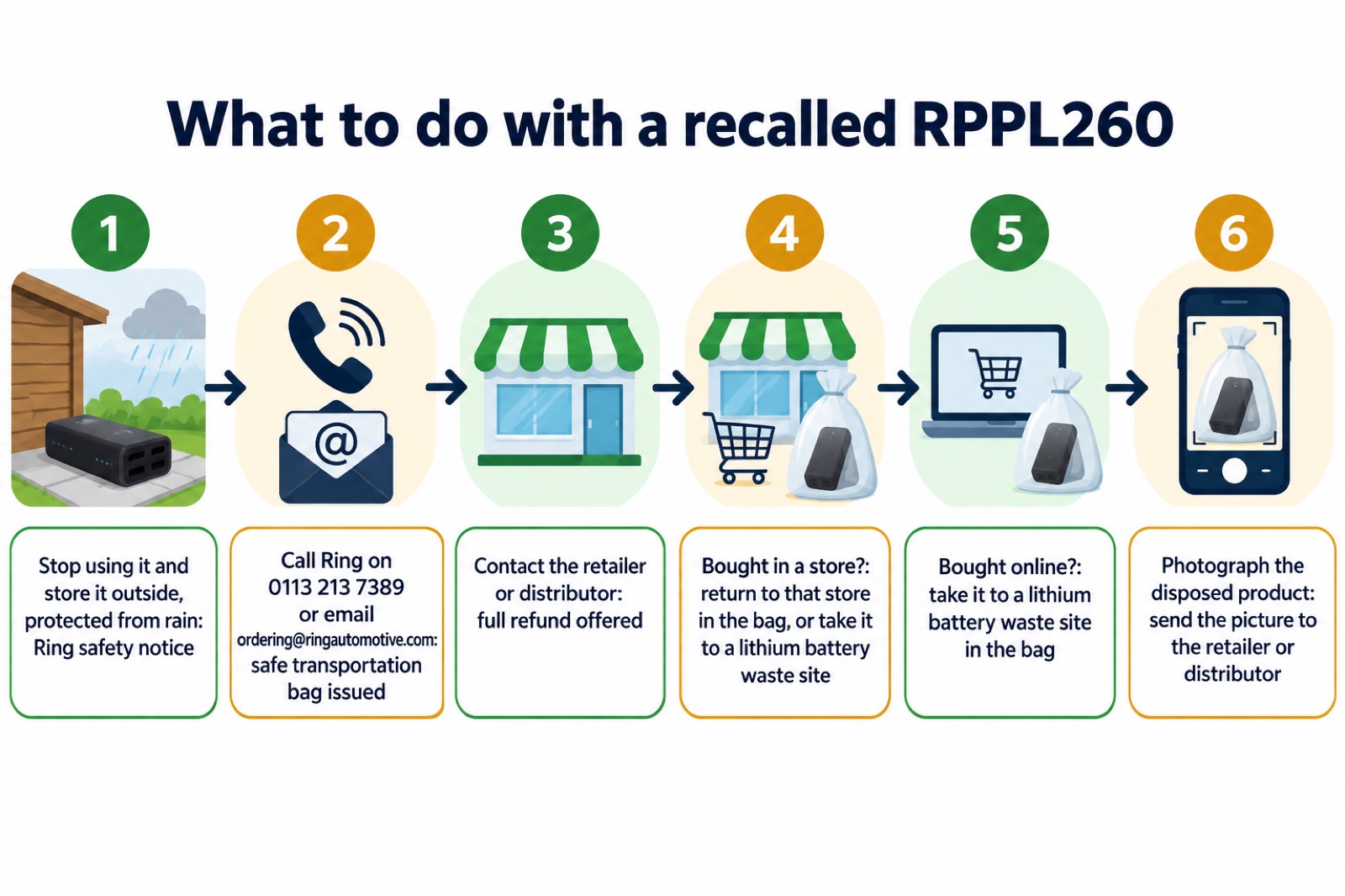
Ring's own safety notice sets out the order of actions for an owner1:
- Stop using the jump starter immediately.
- Store the product outside, protected from water and rain.
- Contact the retailer or distributor you bought it from, who can offer a full refund.
- Contact Ring Customer Services on 0113 213 7389 or email ordering@ringautomotive.com so that Ring can take your details and issue a safe transportation bag.
- Return or dispose of the unit as set out below, using that bag.
The instruction to store the product outside is the one people are most tempted to skip, especially in winter when a garage or shed feels inconvenient. It is worth taking literally. A lithium-ion battery that overheats can ignite, and fire and rescue services advise that dropping, crushing or puncturing a lithium-ion battery can cause internal short circuits, leading to overheating and potential ignition3. Keeping a recalled unit away from the house, and away from rain, is the simplest way to reduce what a failure could reach.
If you have already passed the unit on, given it away or sold it, tell the new owner about the recall. Ring's notice is clear that the recall affects these products only and that no other products or jump starters are being recalled1, so there is no need to worry about other Ring kit in the same way.
The fault: the jump starter can short-circuit and overheat
Ring's description of the problem is short and specific: "Current investigations show that the product can short-circuit and overheat"1. A short circuit inside a lithium battery is the mechanism that fire services worry about most, because it can happen without any warning and generates heat inside a sealed case.
Fire and rescue service guidance explains why overheating matters so much in a battery of this kind. Overcharging, charging for too long or at too high a voltage, can cause overheating and fires4. Dropping, crushing or puncturing a lithium-ion battery can cause internal short circuits, leading to overheating and potential ignition3. Those same sources list the triggers for a battery fire as overcharging, physical damage, manufacturing defects or exposure to high temperatures3.
A manufacturing defect is the category the RPPL260 recall falls into. That is why the recall covers every unit rather than a known bad batch: the fault is a possibility inside the design and build, not something a household can test for or spot by looking at the case.
The practical lesson for any household keeping a lithium jump starter, recalled or not, is to treat the battery as a piece of equipment with its own rules. Charge it as the maker instructs, keep it out of a hot car in summer, do not let it rattle around loose in a boot, and do not use one that has been dropped or has a swollen case. Those habits do not fix a manufacturing defect, but they remove the other routes to the same outcome.
Which units are affected: the RPPL260 and Fast Charge Jump Starter 260 names
The recall covers the product sold as the RPPL260 and as the Ring Fast Charge Jump Starter 260, and the RPPL360. Ring's recall page lists the affected models as "All RPPL260, RPPL360"2, and the safety notice confirms that only those two products shared the same internal design1.
| Question | Answer from Ring's recall notice |
|---|---|
| Which models are recalled? | All RPPL260 and RPPL360 units2 |
| Is it only some batches? | No, all units of both models2 |
| Why both models? | Only RPPL260 and RPPL360 shared the same internal design1 |
| Are they identical products? | No, there are notable differences including battery size and power rating1 |
| Are other Ring products affected? | No other products or jump starters are being recalled1 |
| What is the defect rate? | Less than 0.1%1 |
The two model names matter because the same product can reach a household under either. If your unit is boxed as a Fast Charge Jump Starter 260, or you bought it as an RPPL260, it is in scope. The differences Ring notes between the two models, battery size and power rating among them, do not change that: both are recalled and both go back through the same process1.
Ring's statement that no other products or jump starters are being recalled1 is worth holding on to. A household that has built up a small collection of car kit may find several Ring items in the boot, and the recall does not extend to them. If you are choosing a replacement, the site's guide to portable jump starters sets out what the kit does and what to look for, and Ring's other models are described on the Ring Automotive page.
Refund: contact the retailer or distributor you bought from
The refund route runs through the seller, not through Ring directly. Ring's notice says: "Contact the retailer or distributor where the Jump Starter was purchased from, and they will be able to offer you a full refund"1. That applies whether you bought the unit in a shop, from an online retailer or from a distributor.
Ring's own role is to issue the safe transportation bag and to answer questions. Owners can contact Ring Customer Services on 0113 213 7389 or email ordering@ringautomotive.com1. Have the model name and, if you have it, the order or receipt details to hand when you call, so that the retailer can match the unit to your purchase.
The sequence that works best is:
- Stop using the unit and move it outside, protected from rain1.
- Ring Customer Services to arrange the safe transportation bag1.
- Contact the retailer or distributor for the refund1.
- Return the unit in the bag, or dispose of it as Ring directs and send the retailer a photograph1.
Safe transportation bag: how to get one from Ring
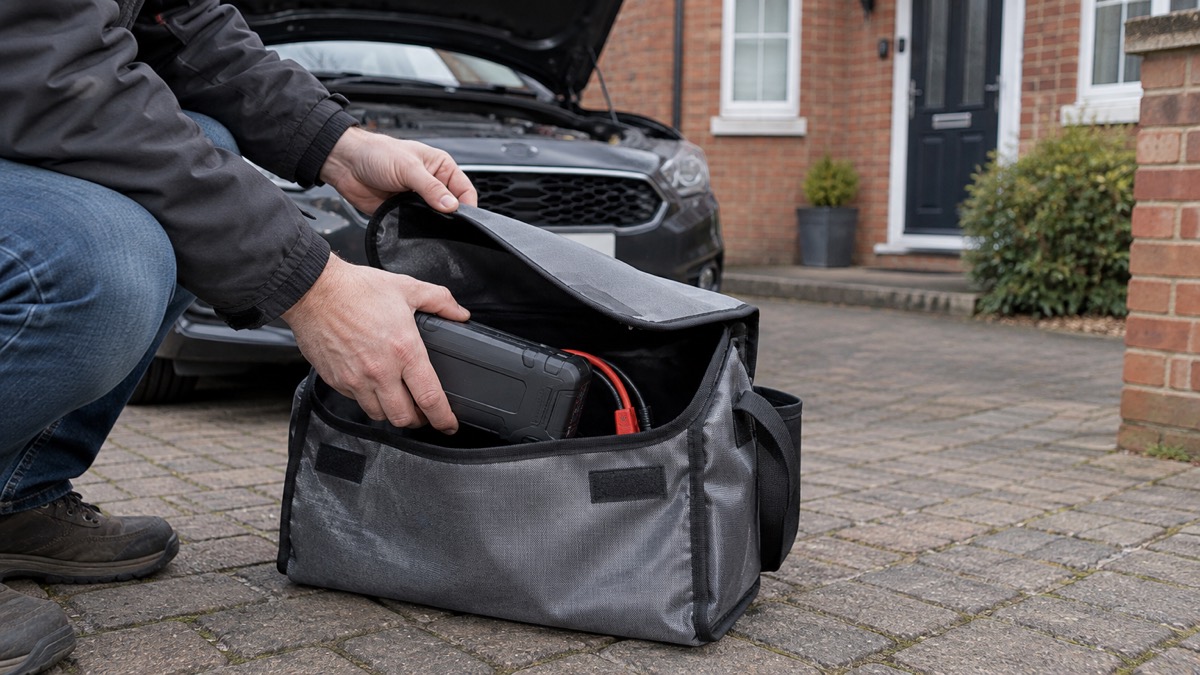
A lithium battery should not go into an ordinary bag or a cardboard box for a trip to the shop. Ring issues a safe transportation bag for exactly this purpose: "Ring will take your details and issue you with a safe transportation bag for the RPPL260 or RPPL360"1. The bag is the maker's own provision for moving a recalled unit safely, and it is used both for returning the product to a store and for taking it to a waste site.
The process is the same for both models and does not depend on where you bought the unit. Ring takes your details, issues the bag, and from there the route splits by how you bought it.
Disposal: where a recalled jump starter must go
A recalled lithium jump starter is not household waste, and it should not go in a wheelie bin. Ring sets out two routes depending on where you bought it1.
If you bought it in a store: take the product back to that store using the safe transportation bag, or dispose of the product yourself, again using the bag, at a public waste collection site for disposal of lithium battery waste. Then take a picture of the disposed product and send it back to the retailer or distributor1.
If you bought it online: take the product, using the safe transportation bag, to a public waste collection site for disposal of lithium battery waste. Take a picture of the disposed product and send it back to the retailer or distributor1.
The photograph is part of the process, not an optional extra: it is how the retailer or distributor confirms the unit has been dealt with.
The wider rule from fire and rescue services is the same one: dispose of damaged batteries safely at designated recycling facilities5. For removable batteries, official guidance is that they should be recycled separately from the device and can be disposed of at a battery recycling point or household waste recycling centre6. A jump starter's battery is built in rather than removable, which is why Ring's own bag and waste-site route applies rather than the household battery box at the supermarket.
What the jump starter was for, and what a household loses
Setting the recall aside for a moment, it helps to be clear about what this class of kit does, because a household deciding what to do next needs to know what gap the recall leaves.
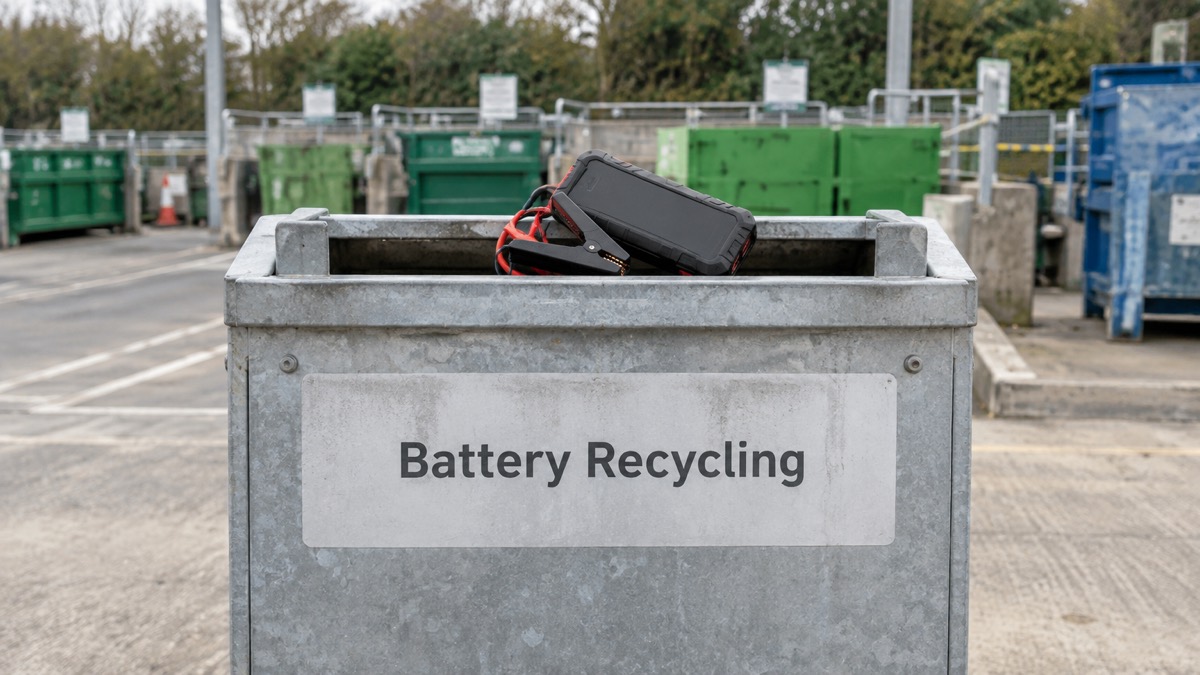
A portable lithium jump starter is kept for the moment a car will not start: a cold morning, a battery left drained by a boot light, a car that has sat unused through a spell of bad weather. In an emergency it earns its place because a flat battery can turn a manageable situation into being stuck, and being stuck at the roadside in bad weather is exactly the scenario a car kit is meant to cover. The site's guide to portable jump starters explains the category in more detail.
What the kit cannot do is act as a general household power supply. It is designed to deliver a short, high current to start an engine, not to run appliances through a power cut. A household preparing for outages should look at the backup power section rather than expecting a jump starter to fill that role.
The recall also carries a lesson that applies to every lithium battery in the home. Fire and rescue services treat these batteries as a fire risk when they are overcharged, damaged or exposed to heat4, and the safe habits are the same whatever the device: charge as instructed, keep the battery cool and dry, do not use a damaged unit, and dispose of it properly at a designated facility5. A household that keeps a jump starter, a power bank or a cordless tool battery is keeping the same kind of risk, and the same care applies.
Support, warranty and where to get help
Ring's support for this recall runs through its Customer Services team on 0113 213 7389 or by email at ordering@ringautomotive.com1. That is the number to use for the safe transportation bag and for any question about the recall itself. The refund is handled by the retailer or distributor, so keep both contacts to hand.
Ring maintains a product recalls page listing the models affected2, which is the place to check if you are unsure whether a unit in your possession is in scope. The recall notice is explicit that it affects the RPPL260 and RPPL360 only and that no other products or jump starters are being recalled1.
For a household rebuilding its car kit after a recall, the practical steps are straightforward:
- Store it outside, protected from rain, until it is returned or disposed of1.
- Replace the gap in the kit deliberately, using the jump starters guide and the car emergency kit checklist.
- Keep the replacement cool, dry and undamaged, and charge it as its maker instructs4.
If a household member relies on the car for medical appointments, work or caring responsibilities, a flat battery is more than an inconvenience, and it is worth checking the extra help guidance for households that need a plan around that. For the wider question of what a household should hold ready, the emergency kit section sets out the full picture.
Sources (6)
- Product Recall: Jump Starter 260 and 360, Ring Automotive, February 2024
- Product Recalls, Ring Automotive, undated
- Batteries, Dorset and Wiltshire Fire and Rescue Service, 7 August 2025
- Battery Fires, Devon and Somerset Fire and Rescue Service, 2026
- Fire Safety Tips: Smoking, Vaping and Using E-Cigarettes, Warwickshire County Council, 29 October 2026
- Electrical Safety, Lincolnshire County Council, 29 October 2026
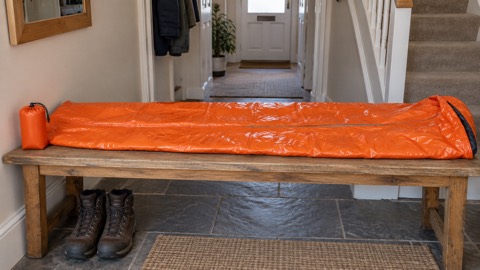 Lifesystems Survival Bag
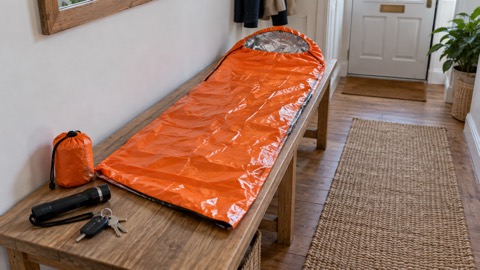 Blizzard 3 Layer Survival Bag
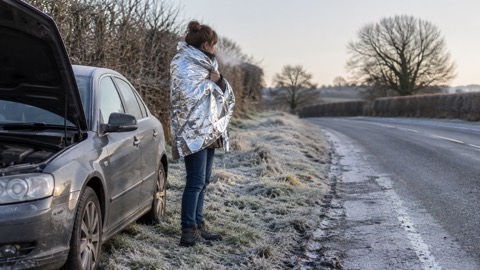 Blizzard EMS Survival Blanket
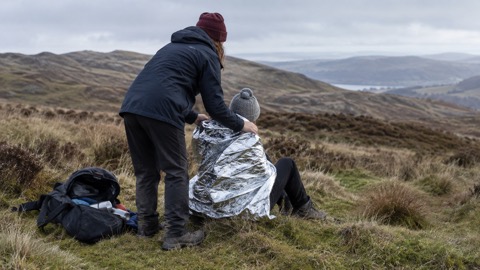 Heatshield Thermal Blanket
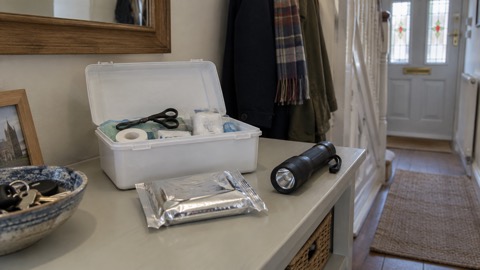 Steroplast Foil Blanket
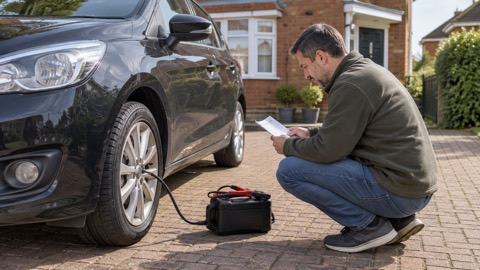 NEBO Assist Air Jump Starter
 Ring Ultraboost 500
 Ring Ultraboost 1000
 Ring Ultraboost 1500
 Ring RTC6000 Tyre Inflator
 Aquapac Heavyweight Drybag