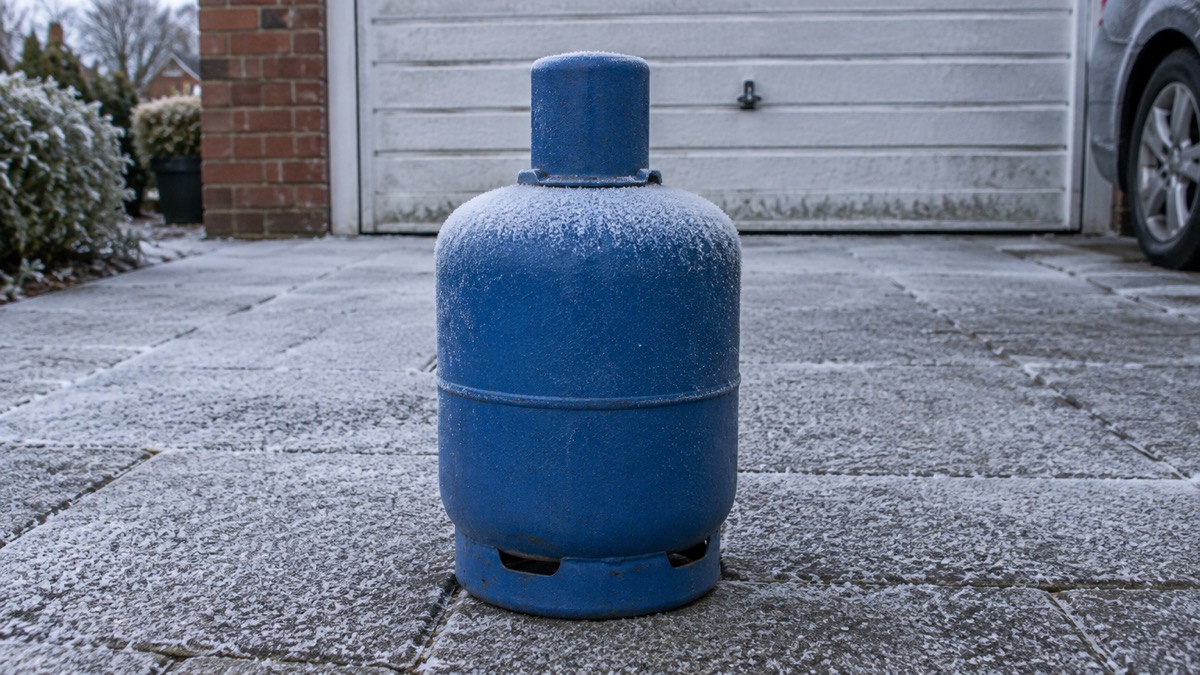
A Calor 4.5kg butane cylinder is a small refillable gas bottle, sold by Calor, that a household can keep for a portable heater or a camping-style stove when the mains gas or electricity fails. Before you rely on one, check it: Calor recalled a limited number of 4.5kg butane cylinders in October 2021 because they can release gas from the valve when it is open and connected to an appliance or regulator1. The check takes a minute and needs no tools.
Look at the Tare Disc underneath the cylinder valve and read the Next Test code. If the code consists of the numbers 33 or 34, the valve manufacture needs to be checked1. If your cylinder is affected, close the valve, disconnect it from the appliance or regulator and fit the cap to the valve outlet1. Calor states there is no safety issue as long as the valve is closed, so a cylinder sitting in the shed with the valve shut is not an emergency1.
For a household getting ready for winter power cuts, the cylinder is a compact way to run a butane appliance for a few days. It holds 4.5kg of butane, needs a separate 28 to 30mbar butane regulator to connect to an appliance, and must never be used indoors without the ventilation and appliance instructions that come with the heater or stove2.
Calor 4.5kg butane cylinder recall: what owners should do now
Calor issued the recall with immediate effect in October 2021, covering a limited number of 4.5kg butane cylinders that can release gas from the valve when it is in the open position and connected to the customer's appliance or regulator1. The fault is in the valve, not the bottle, and it only shows itself when the cylinder is in use and the valve is turned on. That is why the recall is a check rather than a blanket withdrawal: most cylinders are fine, and the ones that are not can be identified from markings on the cylinder itself.
Calor advises all customers with a 4.5kg cylinder purchased since 2017 to check it in order to rule out any safety issue1. If you keep a cylinder for emergencies and have not looked at it since you bought it, this is the moment. The fire and rescue service makes the same point about heaters kept for emergencies: check that your heater is not subject to a product recall or repair before you depend on it4.
The check has two parts, and both are done with the cylinder in front of you and the valve shut.
- Find the Tare Disc underneath the cylinder valve and read the Next Test code. If it consists of numbers 33 or 34, the valve manufacture needs to be checked1.
- Look at the valve itself. Calor lists as safe cylinders that do not have a 33 or 34 Next Test code, cylinders fitted with a TPA valve showing a year of manufacture other than 2017, and cylinders fitted with a valve produced by another manufacturer with no TPA marking1.
If your cylinder falls into none of the affected groups, there is nothing further to do beyond storing it properly. If it does, move to the next section before you use it again.
Close the valve and disconnect if your cylinder is affected
Calor's instruction is direct: if a release of gas is detected whilst the cylinder is in use, immediately close the valve, disconnect the cylinder from the appliance or regulator and fit the cap to the valve outlet1. Do this before anything else, including opening windows or hunting for the contact form. The valve is the only thing between the gas and the room.
The fire and rescue service gives the matching routine for changing a cylinder, which is worth learning now so it is automatic later: check that the valve on the empty cylinder is closed before disconnecting the heater, and do not turn on the valve of the new cylinder until the heater is securely connected5. The same sequence applies whether you are swapping a cylinder in normal use or setting one aside after a recall check.
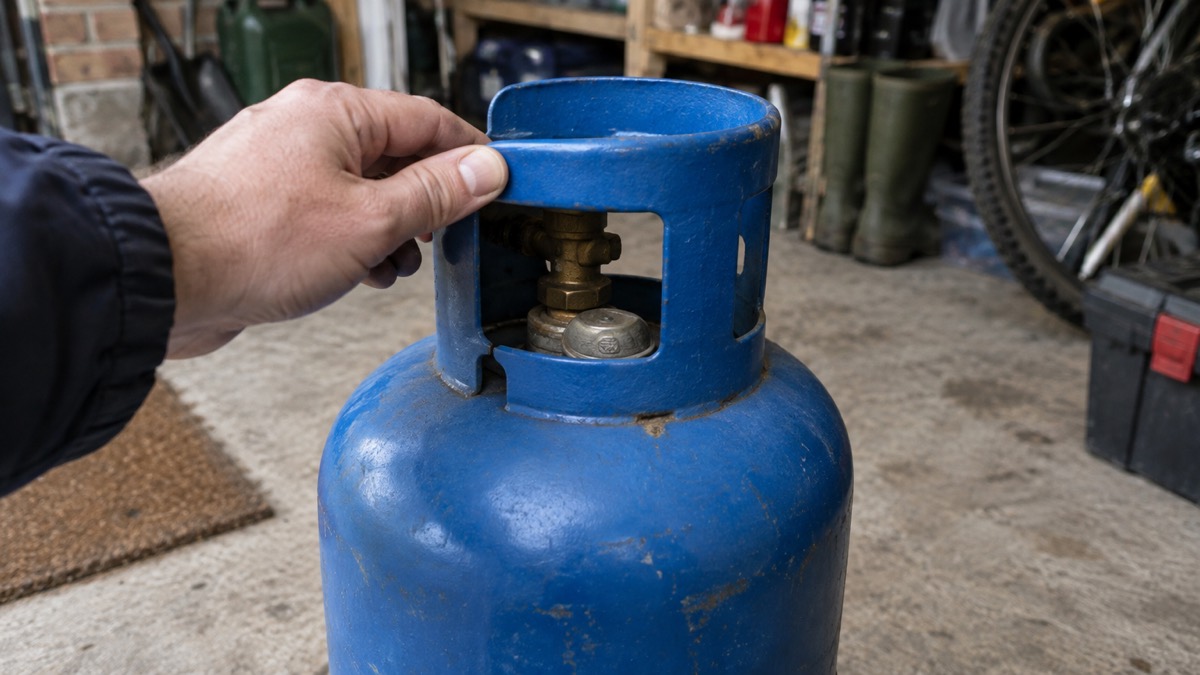
A few habits keep the cylinder safe between emergencies. Calor's butane safety guidance asks households to read the operating instructions, emergency actions and labels provided with the appliance and keep them handy for future reference6. It also says not to improvise or modify a gas appliance, and not to let unqualified people tamper with or service it6. If you smell gas and cannot find the source, Calor's guidance is to turn on the gas supply and brush over the connections with leak detection fluid, which will bubble where there is a leak6. Never use a flame to look for a leak.
The connection itself matters. Independent guidance is that a suitable 28 to 30mbar rated butane regulator must be included in the connection between the cylinder and the appliance2. A regulator of the wrong rating, or a missing one, is not a safe substitute. Our guide to bottled gas for heaters and stoves sets out how butane and propane differ and which regulators suit which appliances, and there is a step-by-step walkthrough in how to change an LPG cylinder safely.
Who can claim: 4.5kg cylinders bought since the recall period began
The recall is aimed at every customer who has a 4.5kg cylinder purchased since 2017, not only at people who think something is wrong1. That is a wide group, because 2017 is the year that separates the valves Calor is worried about from the ones it is not. If you bought your cylinder before 2017, or were given one that was, the recall notice does not ask you to check it on age grounds, though the Tare Disc test still tells you what you have.
The practical test is the one in the first section: the Next Test code and the valve marking. Calor's list of safe cylinders is specific, and a cylinder that matches any of these does not need to go back1:
- cylinders which do not have a 33 or 34 Next Test code;
- cylinders fitted with a TPA valve showing a year of manufacture other than 2017;
- cylinders fitted with a valve produced by another manufacturer, with no TPA marking.
If your cylinder is not on that list, treat it as affected and stop using it until Calor's recall team has spoken to you. Do not simply put it back in the shed and forget it: a cylinder you cannot safely connect is not a backup, it is a stored problem.
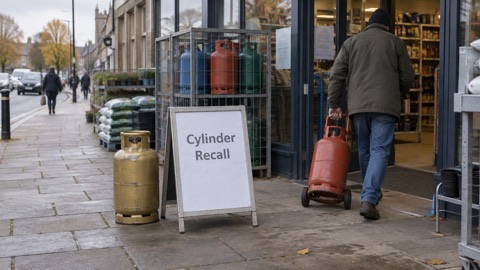
It is worth knowing that recalls of small gas cylinders are not unusual, and that the same discipline applies to any bottled gas you keep. In December 2024 the Office for Product Safety and Standards recalled Flogas Gold Butane Gas Cylinders in 4.5kg, 7kg and 13kg sizes sold between 6 and 22 November 2024, because they were filled with a butane and propane mixture outside BS4250 parameters. If you hold butane from more than one supplier, check each one against its own recall notice rather than assuming a single check covers the shelf.
Refund, voucher or replacement: what help Calor gives
Calor says it is offering refunds or exchanges, subject to availability1. The notice describes the help as a refund, a voucher or a replacement bottle, so which of the three you are offered depends on what Calor has in stock when your case is handled. The words "subject to availability" are the important ones: a replacement is not guaranteed on the day, and a household that depends on the cylinder for winter heating should have a second way to keep warm while the case is open.
For ordinary use, Calor runs a refill service: get in touch and Calor will swap your empty bottle for a full one7. Empty bottles can be exchanged at any Calor Centre, independent retailer or through the online shop8. That is the normal route for keeping a cylinder topped up before winter, and it is separate from the recall process.
| Situation | What Calor offers | What to do |
|---|---|---|
| Cylinder caught by the recall | Refund, voucher or replacement bottle, subject to availability1 | Report it through the contact form and wait for the recall team's call1 |
| Cylinder not caught, running low | Refill swap, empty bottle for a full one7 | Exchange at a Calor Centre, independent retailer or online8 |
| Cylinder not caught, in good order | Nothing needed | Store it with the valve closed and the cap fitted1 |
Replacement availability is the weak point in any plan built on one cylinder. Calor's own wording ties a replacement to stock, and the refill route depends on a retailer having a full bottle to swap. If your household would be cold without the cylinder, read butane or propane gas bottles before you decide what to hold, and keep a non-gas fallback in the plan, such as the measures in keeping one room warm when the heating fails.
How to report a faulty cylinder
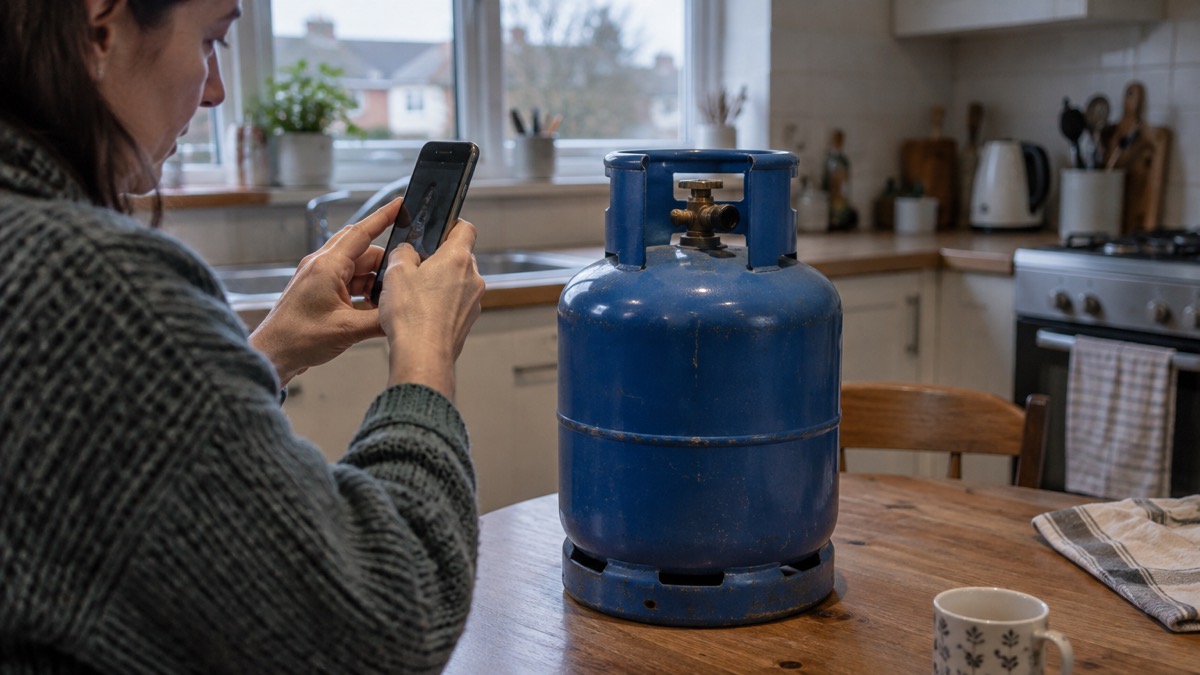
Reporting is done through Calor's contact form, and the notice tells you what to have ready: leave your details in the contact form, take some photos of the faulty cylinder and have your serial number on hand1. Contact us by filling in the form and someone from the central recall team will give you a call back to guide you on the easiest way of returning your cylinder1. The call back matters, because the return route depends on where you are and what you have.
Before you start the form:
- Close the valve and fit the cap to the valve outlet if you have not already1.
- Photograph the cylinder, including the Tare Disc and the valve, so the recall team can see the code you are reporting1.
- Copy the serial number exactly as stamped on the cylinder1.
- Keep the cylinder out of use and away from heat until you hear back6.
If you believe a gas appliance or cylinder has been sold with a fault, you can also report it to your local Trading Standards Office3. Trading Standards is the local authority service that handles faulty goods, and a report there sits alongside, not instead of, the report to Calor.
What the cylinder does for a household in an emergency
The 4.5kg butane cylinder is a small, portable fuel source for appliances that are designed to run on butane: typically a mobile gas heater or a two-burner camping stove used outdoors or in a well-ventilated space according to its instructions. It is not a whole-house solution. It will not run a boiler, and it is not a substitute for mains gas. What it does is give a household one warm room or a way to boil water and cook simple food when the electricity is off, provided the right appliance and regulator are to hand.
Butane behaves differently from propane in the cold. Independent guidance gives the pressure of butane at 15 degrees C as about 1.5 bar9. That figure is the reason butane appliances can be fussy in a hard frost: as the cylinder cools, the pressure falls and the appliance may run weakly or not at all. If your emergency plan is built around a cold snap, read butane or propane gas bottles before you commit to butane, and check the appliance's own instructions for the temperatures it is rated for.
A full cylinder is heavier than it looks. Calor's butane safety guidance notes that full cylinders weigh approximately twice the net weight shown on the cylinder6. That is worth knowing before you lift one out of a car boot or carry it up a step: lift with your legs, keep it upright, and do not drag it by the valve.
| Specification | Detail |
|---|---|
| Gas | Butane3 |
| Cylinder size | 4.5 kg3 |
| Regulator needed | 28 to 30mbar rated butane regulator, included in the connection between cylinder and appliance2 |
| Regulator supplied with cylinder | No, sold separately3 |
| Pressure at 15 degrees C | About 1.5 bar9 |
| Full weight | Approximately twice the net weight shown on the cylinder6 |
| Purchase | Sold through another Calor store3 |
Storing and keeping the cylinder ready
Store the cylinder upright, with the valve closed and the cap fitted to the valve outlet, away from heat and out of the reach of children. Calor's reassurance is specific: there is no safety issue as long as the valve is closed1. That is the state a stored cylinder should be in whenever it is not connected to an appliance.
A stored cylinder needs little maintenance, but it does need a check before each winter. Run through the recall test again if you have not looked at the Tare Disc since you bought it, confirm the cap is on, and confirm the cylinder has not been sitting somewhere that gets hot in summer or freezing in winter. Our guide to where to store gas cylinders at home covers siting in more detail, and the before-winter checklist for your heating and stove is a good place to record the check.
When you connect the cylinder, follow the appliance instructions and the fire and rescue service's sequence: check that the valve on the empty cylinder is closed before disconnecting the heater, and do not turn on the valve of the new cylinder until the heater is securely connected5. Calor's butane guidance adds the wider rule: do not improvise or modify your gas appliance, and do not let unqualified people tamper with or service it6. If you are unsure, ask your Calor retailer for advice rather than working it out yourself.
Where to get help and what to do next
Start with Calor's recall notice and contact form if your cylinder matches the affected codes1. For a gas smell you cannot trace, or a cylinder that has been near fire, leave the property and call the fire and rescue service. For a heater you are unsure about, the fire and rescue service advises checking that it is not subject to a product recall or repair before you use it4.
If you are building a wider plan around the cylinder, the heating and cooking without mains power or gas section sets out the alternatives side by side, and portable heaters: electric, gas and paraffin types explained helps you match an appliance to the cylinder you hold. For the safety routines that apply to any gas heater, see using a portable heater safely at home. Households that would struggle without heat, because of age, disability or a medical condition, should also look at extra help in an emergency.
Sources (9)
- 4.5kg Butane cylinder recall, Calor, October 2021
- Mobile heater butane regulator guidance, Liquid Gas UK, April 2026
- Calor Gas butane regulator 29mbar screw-on, fits 4.5kg cylinders, Calor, 2 November 2026
- Heating your home, North Yorkshire Fire and Rescue Service, 9 March 2026
- Portable heaters, Mid and West Wales Fire and Rescue Service, 29 October 2026
- Using Calor Gas safely: butane, Calor, March 2017
- Calor gas bottles, Calor, 2 November 2026
- Everything you need to know about gas bottles, Calor, 28 October 2026
- LPG cylinder pressure guidance, Liquid Gas UK, January 2014
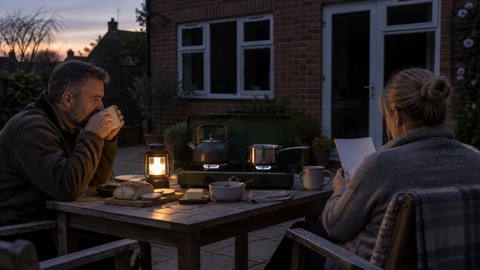 Campingaz Camping Kitchen 2 CV
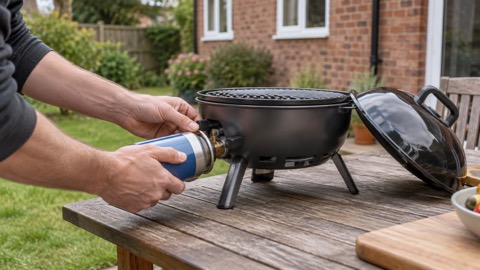 Campingaz Party Grill 200
 Campingaz Party Grill 400 CV
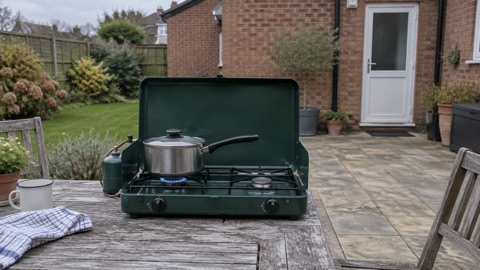 Optimus Gemini II Stove
 Trangia 25 Large Stove
 Trangia 27 Small Stove
 Trangia Triangel Stove
 Trangia Mini Spirit Stove
 Flogas Gold Butane Cylinder
 MSR Trail Lite Pot
 MSR Reactor Stove
 MSR PocketRocket Stove Kit