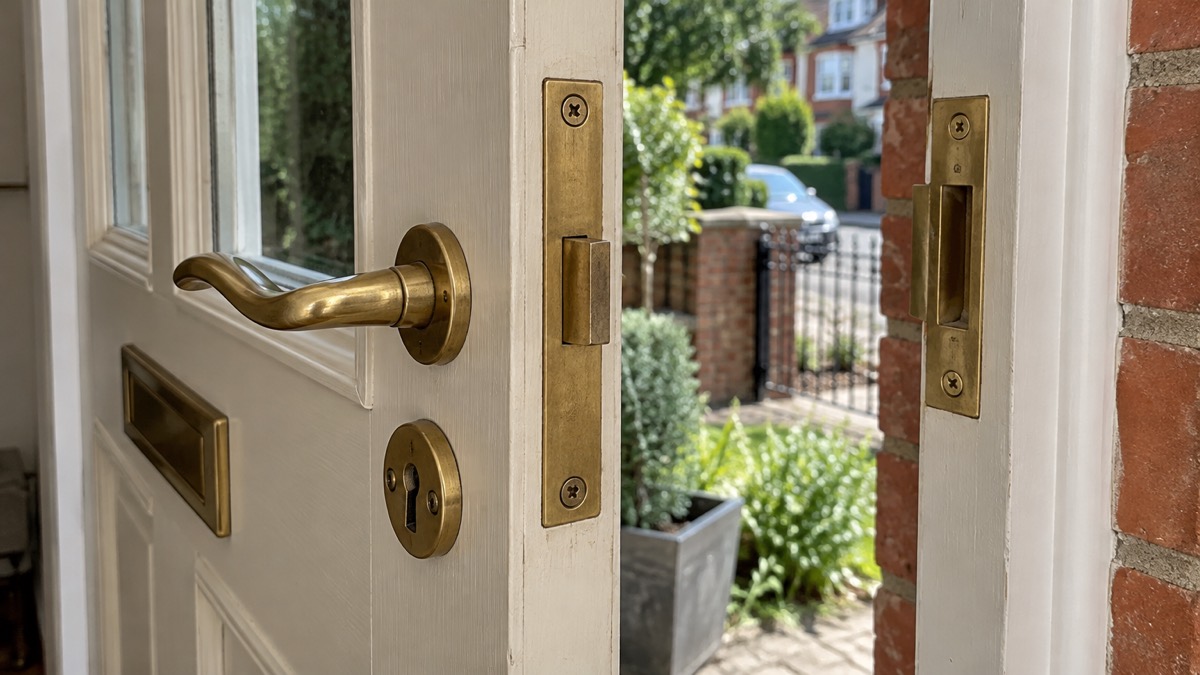
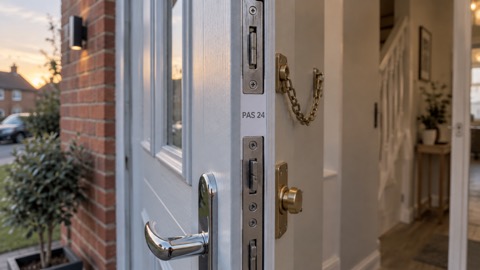
If you are choosing a lock for a front or back door, the standard most home insurers and police forces point to is BS 3621, the British Standard for a thief-resistant mortice deadlock. For the euro-cylinder locks found on most uPVC and composite doors, police guidance asks for TS 007 at 3 star or SS312 Sold Secure Diamond1. For a whole new door, look for PAS 24, which police describe as tested to British standards and insurance approved2.
The practical answer is to match the standard to the door you have. A timber door usually takes a British Standard mortice deadlock, often paired with an automatic deadlocking rim lock, and both should be engaged every time you leave2. A uPVC or composite door relies on its multipoint mechanism and a rated cylinder. A flat entrance door has its own rules, and if you rent, the landlord has a say.
This page explains what each standard covers, how to check the lock already on your door, what insurers may ask for, and what to put to a locksmith before any work starts. For the wider picture, see Doors and Locks: Standards, Cylinders and Making Entry Harder.
BS 3621: the standard most home insurers ask for
BS 3621 is the benchmark for a mortice deadlock, the lock set into the edge of a timber door and turned by a key. It is the standard insurers most often name, and makers state compliance plainly on the product. Banham, for example, describes its M2002 deadlock as "insurance approved and meets with British Standard 3621"5.
What the standard is doing is testing the lock against the ways a burglar actually attacks a door: forcing it, picking it, and getting at it from the outside. A lock that meets BS 3621 has been built and tested to resist those methods for a set period, which is why insurers treat it as a known quantity rather than a claim on a box.
Two related standards matter alongside it. BS 8621 covers a thumbturn lock, the type you can open from the inside without a key, which matters for fire escape. Banham states its M2003 lock complies with BS86216, and that its EL4000 rim nightlatch and M2003 mortice deadlock pairing is "fully compliant with BS8621 for locks"6. If you have a thumbturn on the front door, this is the standard to look for.
For most households the practical position is this: a good quality deadlock to the relevant British Standard on every exterior door, as the Security Systems and Alarms Inspection Board advises7. That is the baseline. Everything else, cylinders, multipoint mechanisms, door sets, builds on it.
How to check whether your lock meets the standard
Start with the door itself. Police advice is to check that doors, windows and the frames they sit in are in good condition, that replacements meet the latest standards, and that glass is undamaged1. A rated lock in a rotting frame gives you very little.
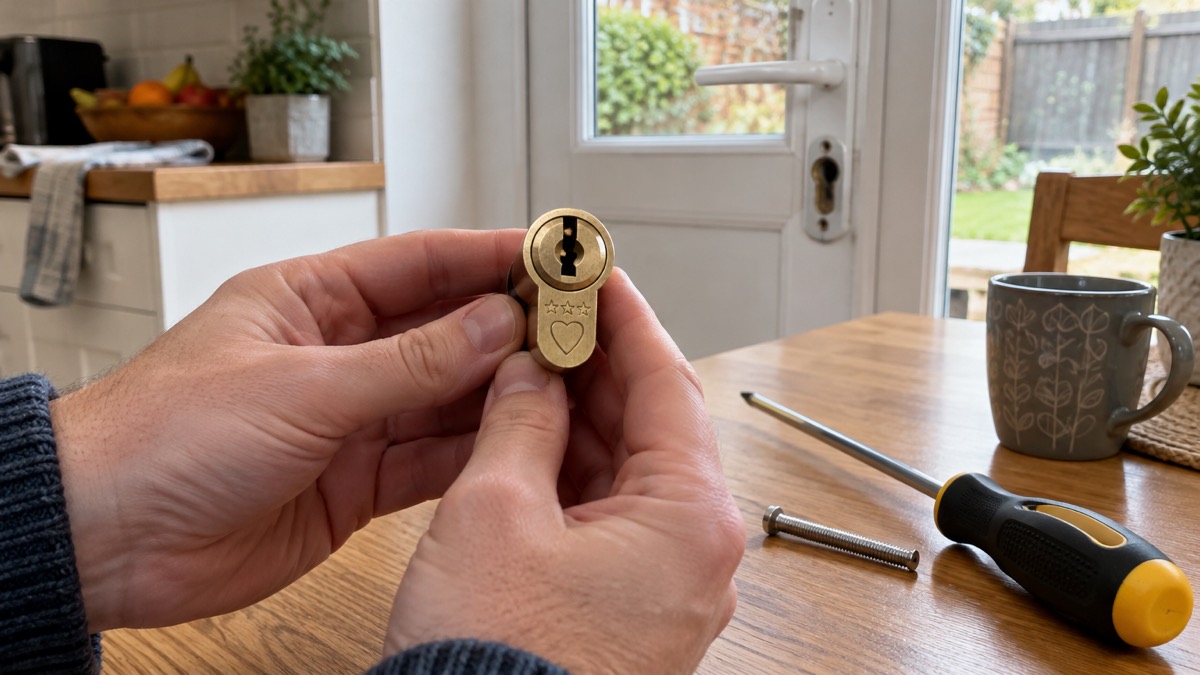
Then look at the lock. On a timber door, open it and look at the metal faceplate on the edge: the standard number is usually stamped there, along with a kitemark or the maker's name. On a uPVC or composite door, the cylinder is the part to check, and the rating is often stamped on the cylinder face or the retaining screw plate.
A simple routine, drawn from police guidance, covers most of it:
- Confirm the door closes squarely and the frame is sound1.
- Find the standard mark on the faceplate or cylinder.
- Check that every locking point on a multipoint door actually engages when you lift the handle and turn the key2.
- Make sure both locks on a timber or composite door are engaged every time you leave2.
- If the mark has worn away or you cannot find one, ask a Master Locksmiths Association member to check the locks and hinges2.
If you have just moved in, police advise changing your locks if you want to4. It is a small job and it settles the question of who else holds a key. Our Moving Into a New Home: Locks and Keys Checklist sets out the order to do it in.
Locks for uPVC and composite doors: TS 007 and the kitemark
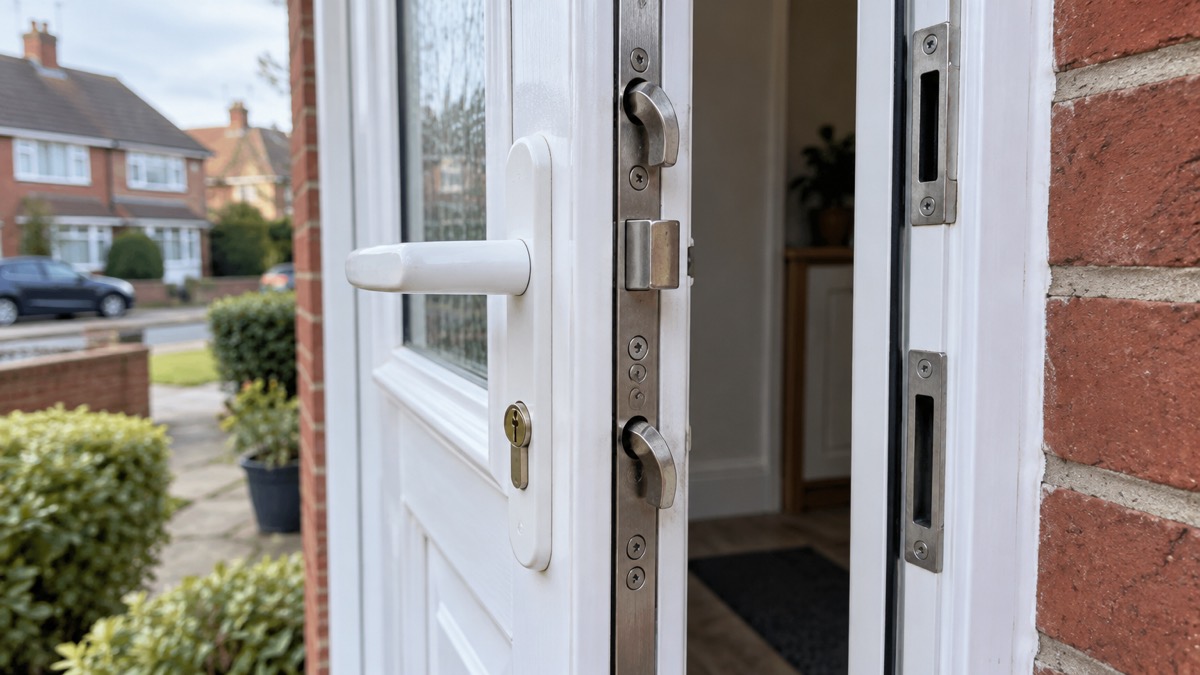
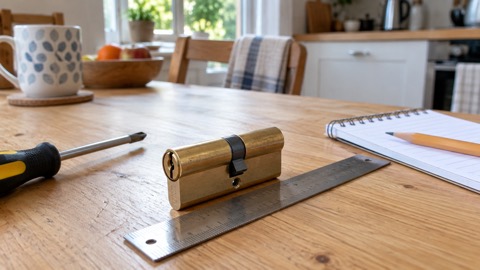
Most modern UK homes have a uPVC or composite door, and the lock that matters is the euro cylinder. Police guidance is specific: if you have euro-cylinder locks, they should meet TS 007 at 3 star, or SS312 Sold Secure Diamond3. A 3 star TS 007 cylinder protects against lock snapping, drilling and bumping, which police list as common ways for burglars to break in1.
Snapping is worth understanding because it explains the standard. A burglar grips the part of the cylinder that sticks out beyond the door and snaps it, exposing the mechanism inside. A 3 star cylinder is built to resist that, and the shorter the protrusion, the less there is to grip. That is why police advise that on older aluminium patio, sliding or bi-fold doors, if the cylinder protrudes beyond the frame handle, you should have a Master Locksmiths Association member change it to a shorter, more snap-resistant one2.
The door's own mechanism matters too. Police say tested and certified uPVC doors are more secure because they have a highly secure multi-locking mechanism using hooks and latches2. That is the multipoint system: several locking points along the door edge rather than one. It only works if it is fully engaged, so lift the handle and turn the key every time.
On the kitemark: it is a useful shorthand but not a substitute for the standard number. The same principle applies across household safety kit, where official guidance tells people to look for the BSI Kitemark alongside a named standard8. Check the number first, then the mark.
What insurers may require for front and back doors
Insurers set their own conditions, and they vary. The safest approach is to read your policy schedule before you change anything, and to tell your insurer what is fitted. Our guide to Home Insurance Conditions: Locks, Alarms and Unoccupancy covers the wider conditions.
What the standards give you is a common language. A BS 3621 deadlock, a BS 8621 thumbturn, a TS 007 3 star cylinder and a PAS 24 door set are the four things an insurer is most likely to recognise. Police describe PAS 24 doors as tested to British standards and insurance approved2, and advise looking for PAS24 doors and windows because they are harder to break4. The same applies to windows tested to PAS 249.
| What you have | Standard to look for | What it covers |
|---|---|---|
| Timber front or back door | BS 3621 deadlock | The lock set into the door edge5 |
| Thumbturn lock for fire escape | BS 8621 | Keyless exit from inside6 |
| uPVC or composite door cylinder | TS 007 3 star, or SS312 Sold Secure Diamond | Snapping, drilling and bumping3 |
| A whole new door or window | PAS 24 | The complete door or window set2 |
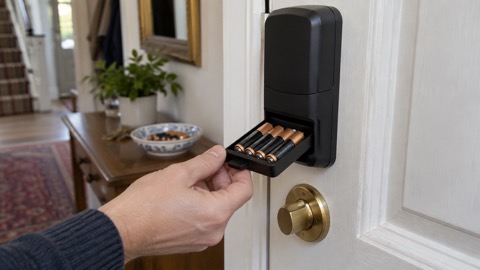
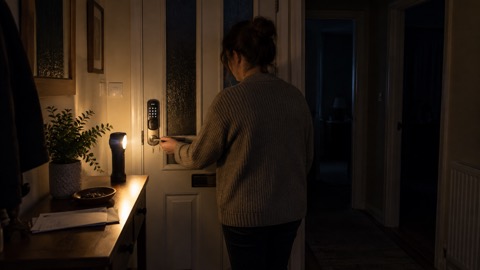
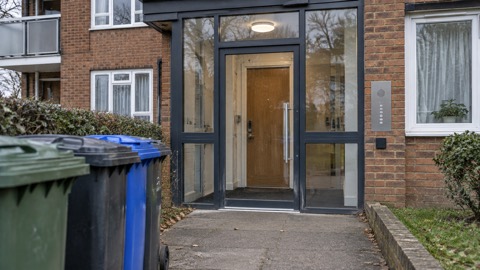
Two cautions. First, a smart lock may change the picture: Aqara states that installing its Smart Lock U600 requires removing the existing cylinder, and advises checking with your insurance provider whether that may affect your coverage10. Second, if you live in a flat, the entrance door is often not yours to change freely. Fire service guidance says that if you want to change your own flat's door you must make sure it meets the required standard, is installed correctly and certified11. Report a faulty communal door lock to your management agent or landlord so it can be repaired quickly12.
Fitting or upgrading a lock: what to ask a locksmith
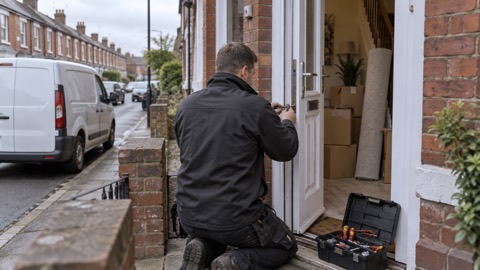
A member of the Master Locksmiths Association can check whether your front door is secure and what it is made of, reinforce the frame, often with London and Birmingham bars, and check whether the locks and hinges are British Standard approved2. That single visit covers most of what this page describes, and it is the route police guidance points to.
Ask these questions before work starts:
- Which standard will the new lock meet, and where will the mark be?5
- Will the cylinder protrude beyond the handle, and if so can a shorter one be fitted?2
- On a multipoint door, will every locking point engage after the change?2
- If it is a flat entrance door, will the new door or lock meet the required standard and be certified?11
- Will you confirm the work in writing for my insurer?
For a flat, police also advise fitting barrel locks to the top and bottom of doors13, and for garages and sheds, upgrading locks and considering alarms, and putting away wheelie bins, tools and heavy objects that help burglars get in14. Before a holiday, police advise making sure good quality locks or bolts are fitted to all outside doors15. Our Securing Your Home Before Going on Holiday: Checklist works through the rest.
Sources (17)
- Home security, West Yorkshire Police, 2026
- Door security, Avon and Somerset Police, 2026
- Door and window lock advice, Sussex Police, 2026
- Break-in and housebreaking, Police Scotland, 2026
- Banham M2002 Deadlock Dark Bronze, Banham, 2026
- Banham EL4000 + M2003 Lock Set Black, Banham, 2026
- Protecting your home, SSAIB, 2026
- Carbon monoxide, Devon and Somerset Fire and Rescue Service, 2026
- Window security, Avon and Somerset Police, 2026
- Smart Lock U600, Aqara, 2026
- Fire safety in flats and high-rise buildings, Devon and Somerset Fire and Rescue Service, 2026
- How safe is your flat?, Sussex Police, 2026
- House security, Police Service of Northern Ireland, 2026
- Burglary, Gloucestershire Constabulary, 2026
- Pre-holiday routine, Avon and Somerset Police, 2026
- Accident hazards, Somerset Council, 2026
- Advice if you live above or below a commercial premises, Dorset and Wiltshire Fire and Rescue Service, 2024
 Moving Home Locks Checklist
 After a Break-In Checklist
 Holiday Security Checklist
 Fitting an Anti-Snap Cylinder
 Double Locking a uPVC Door
 Garage to House Door Safety
 Police Preferred Key Safes
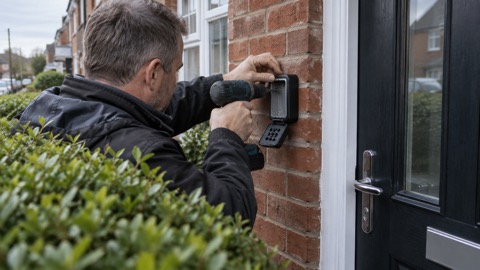 Where to Fit a Key Safe
 Letterbox Guards
 Measuring a Euro Cylinder
 PAS 24 Doors and Windows
 Securing Patio Doors
 Smart Lock Battery Life
 Smart Locks in a Power Cut
 Smart Locks in Rented Homes