The law requiring interlinked smoke and heat alarms in all Scottish homes came into force on 1 February 2022, introduced by the Scottish Government following the Grenfell Tower fire in London in 20171. The Scottish Fire and Rescue Service states that all Scottish homes need interlinked alarms as of February 20221, and the Scottish Government says the new rules extend the standard that already applied to private rented property and new-builds to all homes in Scotland3.
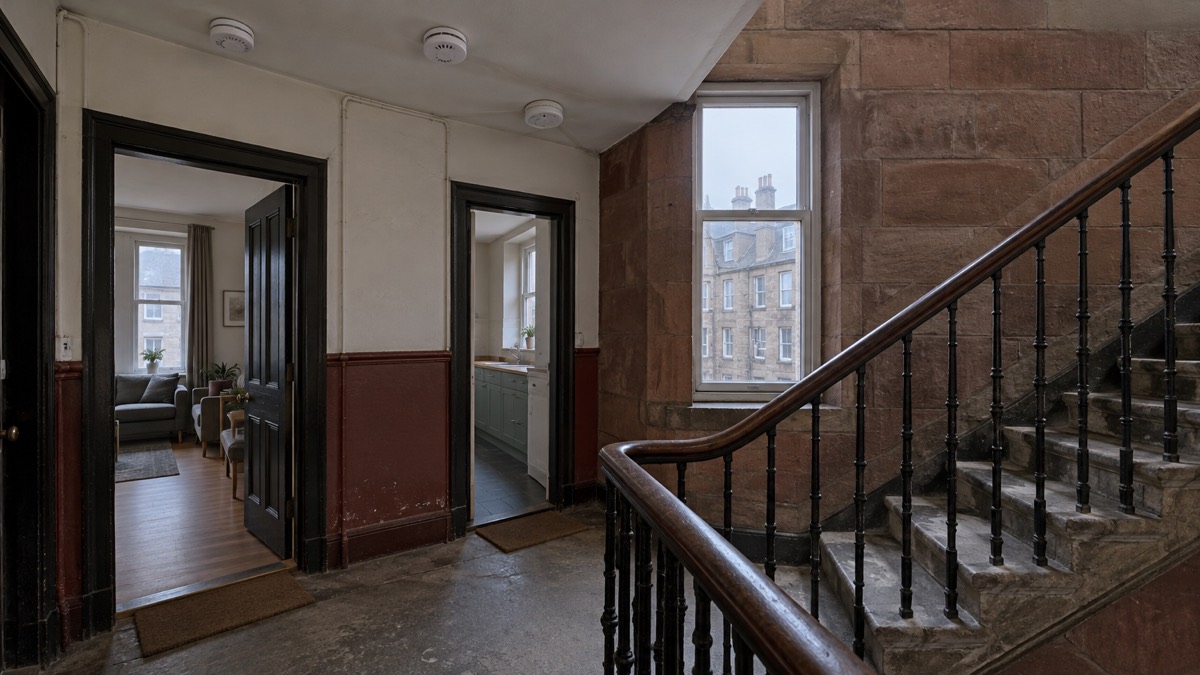
Under the rules, every home must have one smoke alarm in the living room or the room used most, one smoke alarm in every hallway or landing, and one heat alarm in the kitchen, with all alarms ceiling mounted and interlinked1. Interlinked alarms sound together when one is triggered, so an alarm is heard anywhere in the home1. The Scottish Government also requires a carbon monoxide alarm where there are fixed combustion appliances such as boilers and wood burners3; the fire service says carbon monoxide alarms should be used with heating or cooking appliances fuelled by gas, coal, wood or oil, and that these do not need to be linked to the fire alarms1.
Responsibility differs by tenure. The fire service states that it is the homeowner's responsibility to meet the new standard, that private tenants' landlords are responsible, and that for council or housing association tenants work is ongoing to make sure homes meet the new standards1. Alarms may be sealed battery or mains-wired, and both types are interlinked by radio frequency and do not need WiFi1. The fire service lists the standards to check: smoke alarms BS EN14604:2005, heat alarms BS 5446-2:2003 and carbon monoxide detectors British Kitemark EN 50291-11. It says there is no list of approved suppliers or fitters1.
On timing, NHS Western Isles winter guidance states:
"The new law came into force on 1 February 2022, but it provides flexibility for people to fit the necessary alarms within a 'reasonable period' after this deadline."
The same guidance says a carbon monoxide detector has been mandatory with every new stove installation since October 20104. The Scottish Government's carbon monoxide guidance notes that from 1 February 2022 an amendment to the statutory tolerable standard requires all houses, regardless of tenure, to have satisfactory provision for warning if carbon monoxide is present at a hazardous concentration5.
| Requirement | Detail |
|---|---|
| Smoke alarm | Living room or most-used room; every hallway or landing1 |
| Heat alarm | Kitchen1 |
| Mounting | Ceiling mounted, all interlinked1 |
| Carbon monoxide | Where fixed combustion appliances such as boilers and wood burners are present3 |
| Standards | Smoke BS EN14604:2005; heat BS 5446-2:2003; CO British Kitemark EN 50291-11 |
Why it matters for households
The change applies to all homes in Scotland regardless of tenure, so owners, private tenants and social tenants are all covered, with the duty falling on owners or landlords as set out above1. The fire service advises that alarms should be tested weekly using the test button, that batteries should be replaced yearly unless the alarm has a long-life built-in battery, and that each smoke and heat alarm should be replaced every ten years1. It advises never taking the batteries out, even for a short time, and not painting over or putting stickers on the alarm1. On siting, it advises keeping alarms 30cm from walls, lights, doors, heating or air-conditioning vents, ideally within 7 metres of the living room door and 3 metres of a bedroom door, and fitting alarms in the downstairs hallway and on every stair landing in homes with more than one level1. It advises not fitting smoke alarms too close to the kitchen door, as steam and cooking fumes are the most common cause of false alarms1. For people with sight, hearing, mobility issues or other special needs, it says there are specialised alarms including mains-powered smoke alarms with back-up batteries, and vibrating pads and flashing lights1.
What happens next
No further compliance deadline or penalty has been reported. The fire service says it will only fit interlinked alarms into owner-occupied homes where the household is assessed as high risk through a Home Fire Safety Visit, and otherwise provides safety advice and interim detection where a property has no detectors; visits can be booked on 0800 0731 999 or online1. The Scottish Government's guide for homeowners on the fire and smoke alarm standards remains published3. Households can read more on how linking works, how many smoke alarms a house or flat needs, wireless or wired interlinked alarms, what heat alarms do and where they go, heat alarm or smoke alarm placement, where to fit smoke alarms, combined or separate smoke and CO alarms, stopping false alarms, battery or mains alarms, alarms for deaf and hard of hearing people and finding which linked alarm started it, or start at the home emergencies hub.
Sources (5)
- Smoke and heat alarms | Scottish Fire and Rescue Service, firescotland.gov.uk
- Smoke and heat alarms | Scottish Fire and Rescue Service, firescotland.gov.uk
- Home fire safety - Fire and rescue - gov.scot, gov.scot
- wihb.scot.nhs.uk, wihb.scot.nhs.uk
- Carbon monoxide alarms in private rented properties: guidance - gov.scot, gov.scot
 Interlinked Alarms
 How Many Smoke Alarms
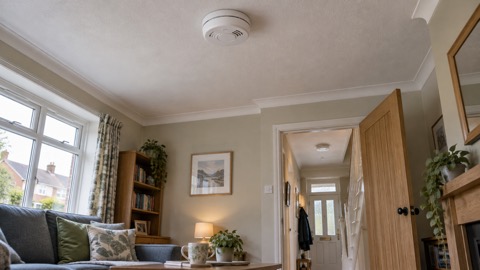 Wireless or Wired Alarms
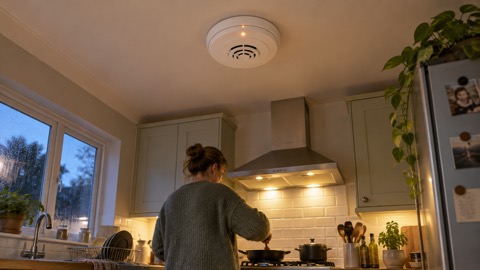 Heat Alarms and Where They Go
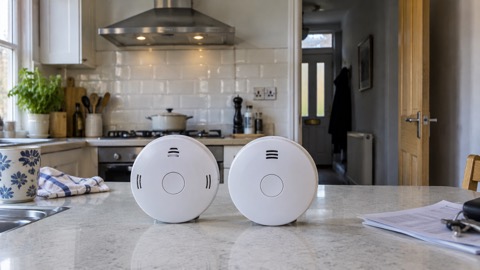 Heat Alarm or Smoke Alarm
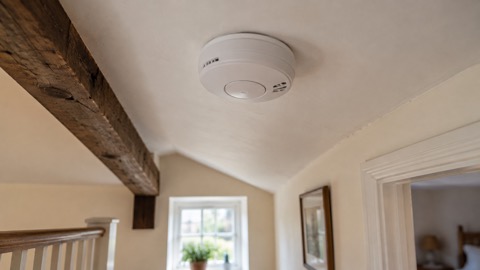 Where to Fit Smoke Alarms