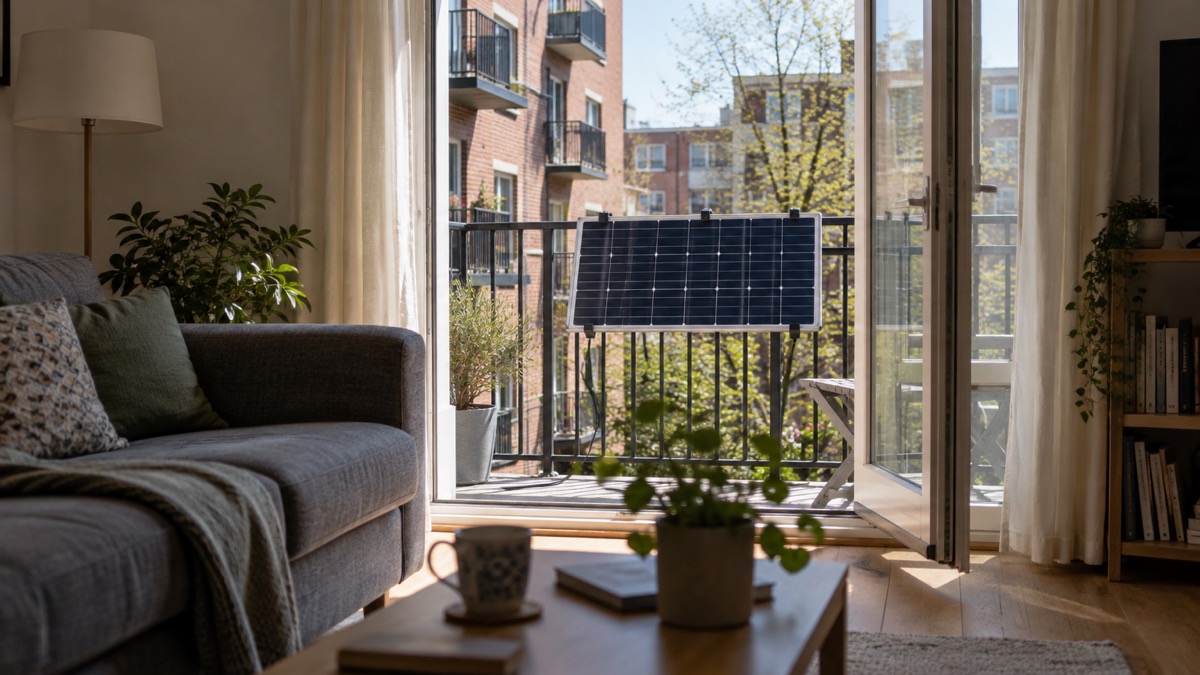
If you rent your home, or own a flat leasehold, ask before you buy. The London Fire Brigade's advice is direct: if you rent your property, contact your landlord, housing provider, freeholder or property management company before buying or installing any plug-in solar equipment1. That covers a panel on a balcony, a wall, a shed roof or a shared roof, and it covers the socket you might need an electrician to fit.
The reason is simple. Plug-in solar panels are available to buy in the UK, and they work by feeding electricity into the home's circuits2. Anything that changes the building, its wiring or its outside space is the owner's decision as well as yours. Getting a written yes first protects your deposit, your tenancy and your safety.
This page sets out when permission is likely to be needed, how to ask in writing, what your landlord will want to know, and what to do if the answer is no or you hear nothing back. It is written for England first, with the differences in Scotland, Wales and Northern Ireland noted where they matter.
When permission is likely to be needed
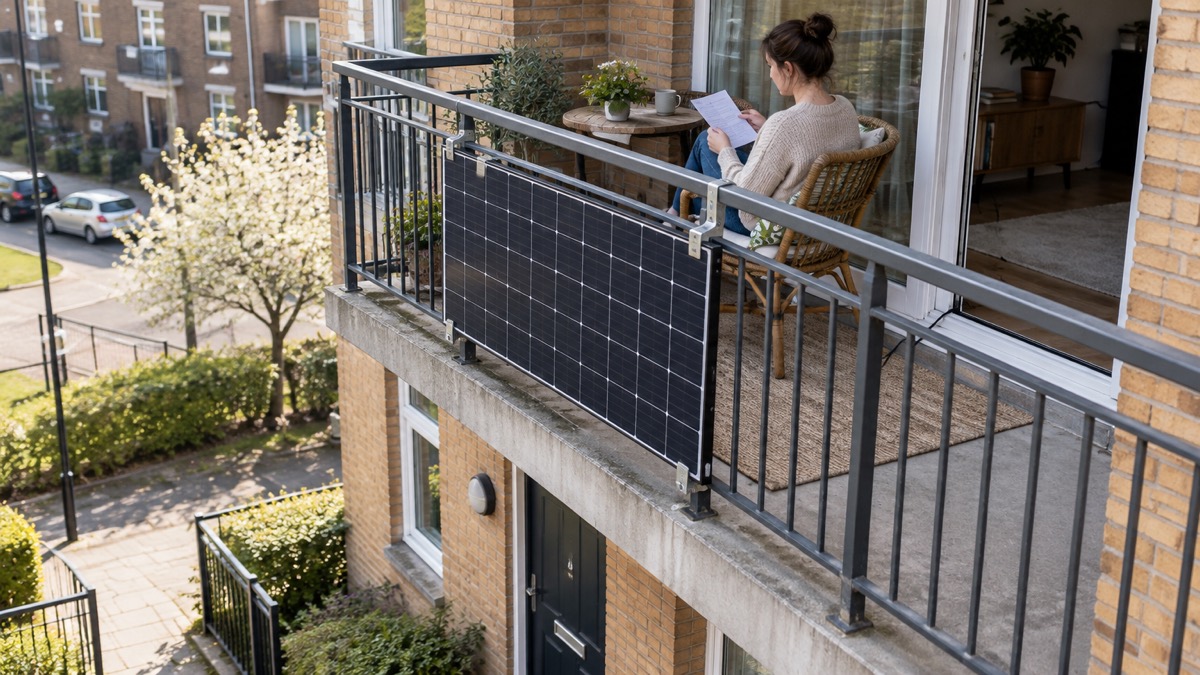
Permission is likely to be needed whenever the panel touches something you do not own outright: the outside wall, a balcony, a shared roof, a communal garden or the building's wiring. Plug-in panels are designed to sit in sunny outdoor spots such as a terrace, a shed or outhouse roof, or a balcony, and makers build mounting accessories for balconies, flat roofs and gardens3. Those are exactly the places a tenancy or lease usually controls.
There is a second reason to involve the owner. Electrical Safety First states that, at present, plug-in solar systems supply power to household circuits in a way currently not permitted by regulations3. The Government has announced plans to make them more widely available, but until the rules change, the installation sits in a grey area. A landlord who is responsible for the safety of the electrical installation will want to know about anything connected to it.
That responsibility is not vague. Under the Landlords and Tenants Act 1985, the electrical installation in a rented property must be safe when a tenancy begins and maintained in a safe condition throughout the tenancy6. Your landlord must also show you safety certificates so you can see when gas and electrical appliances were last checked7. If you are in doubt about any electrical item, you are within your rights to ask your landlord to have it checked by a qualified electrician8.
In Scotland, if three or more of you are renting or sharing, the landlord must have a licence from the local council for operating a house in multiple occupation9. That licence brings its own safety expectations for the shared building, so a panel in a communal area is a conversation with the landlord and the council, not just the landlord.
How to ask for permission in writing
Put the request in writing, keep a copy, and make it easy for the owner to say yes. A short letter or email that sets out what you want to fit, where it will go, who will do any electrical work and how it will be removed is far more likely to be agreed than a verbal mention.
- Describe the equipment. Say it is a plug-in solar panel, where it will be mounted and whether it plugs into an existing socket or needs a new outdoor one.
- Name the installer. Where electrical work is required, for example fitting an outdoor socket, use a qualified and competent installer1. A skilled, trained and qualified solar PV installer registered with a competent person scheme is the standard to look for3.
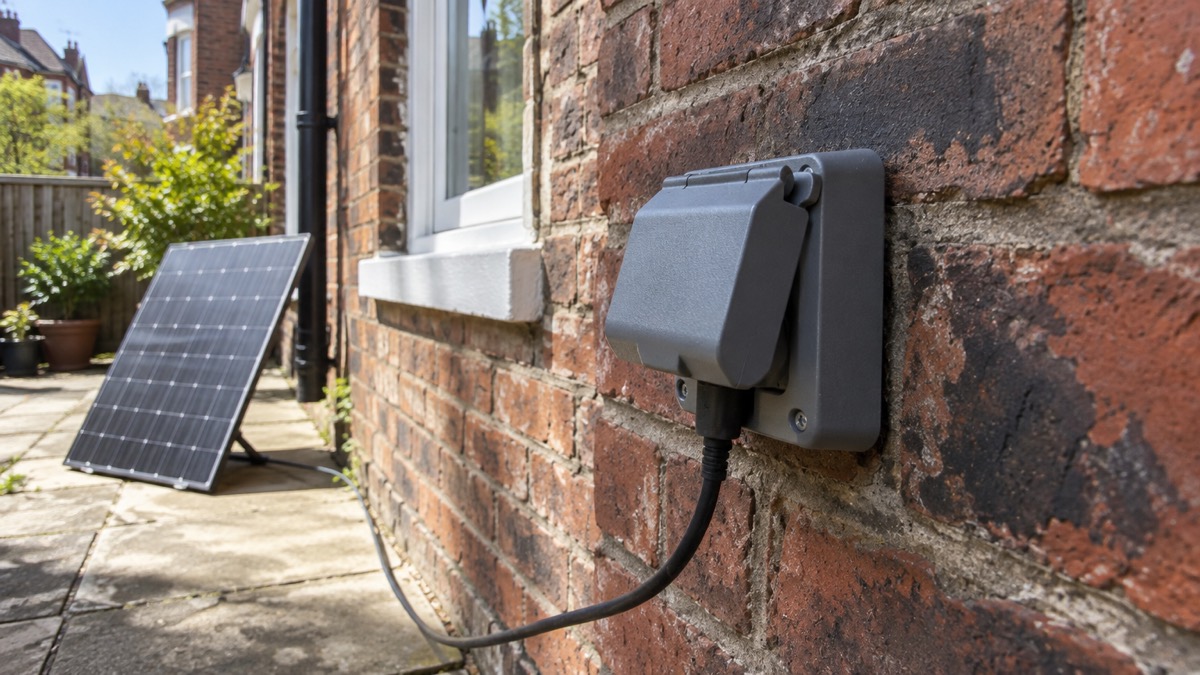
- Confirm the socket specification. If plugging into an outdoor socket, state that it will be a minimum IP65-rated installation fitted by a competent person1.
- Set out the mounting. Say how the panel will be fixed and that it will be removed and made good when you leave.
- Ask for a written reply and keep it with your tenancy or lease papers.
If the owner wants an electrician's confirmation, the installer can provide it. A credible installer should be able to take care of registration by submitting G98 or G99 forms on your behalf, and the building owner is responsible for registering a solar PV system with the Distribution Network Operator3. Reputable installers should be signed up to a consumer code such as the RECC, which guards against pressure-selling3.
What the landlord may want to know about the panels
A landlord or freeholder is being asked to accept a change to a building they insure and maintain, so expect practical questions. Answer them plainly and in writing.
| Question | What to say |
|---|---|
| What does it do? | Light from the sun hits the panels and generates energy, which flows into the electrical circuit for the home, providing electricity4 |
| Where will it go? | A sunny outdoor spot such as a terrace, shed or outhouse roof, or balcony4 |
| Is it safe? | Panels can continue producing electricity during daylight hours, even when power is isolated inside the building, so the installer must know they are there11 |
| Will it damage the building? | Most panels have a self-cleaning coating which, when installed at a suitable angle, allows rain to clear dirt and debris, so no routine cleaning access is needed3 |
| Who fits the socket? | A qualified and competent installer, with a minimum IP65-rated outdoor socket1 |
| What about cladding? | If the building is undergoing, or is due to undergo, cladding works or remediation, it is recommended that you do not install until the work is complete1 |
The safety point about daylight matters to a landlord. A panel keeps generating while the sun is up, so anyone working on the electrics needs to know it is there. Tell your landlord this, and tell any electrician who visits.
"Solar panels can continue producing electricity during daylight hours, even when power is isolated inside the building"
If permission is refused or you get no reply
A refusal is not the end of the conversation, and silence is not consent. If you get no reply, write again, give a clear date by which you need an answer, and keep the correspondence. Do not fit the panel while you wait.
If the answer is no, ask what would make it a yes: a different mounting, a panel on a shed rather than the building, or an installer's certificate. If the objection is the wiring, an electrician's report may settle it. If the objection is the building's condition, the cladding advice above may be the reason, and waiting until the work is complete is the right answer1.
If you already have a panel and something goes wrong, stop using the system immediately and seek advice from a competent person before further use11. If you spot any problems, contact a professional to check and repair immediately3.
There is help if the refusal leaves you without the power you were counting on. The Priority Services Register gives extra support during a power cut, and you can ask your energy supplier to add you12. If you are having problems with a smart meter, complain to your supplier and, if you are still not satisfied, to the Energy Ombudsman13. Tenants must be able to choose their energy supplier if it is their responsibility to pay the bills, and landlords should not unreasonably stop them switching14.
Balcony mounting in flats
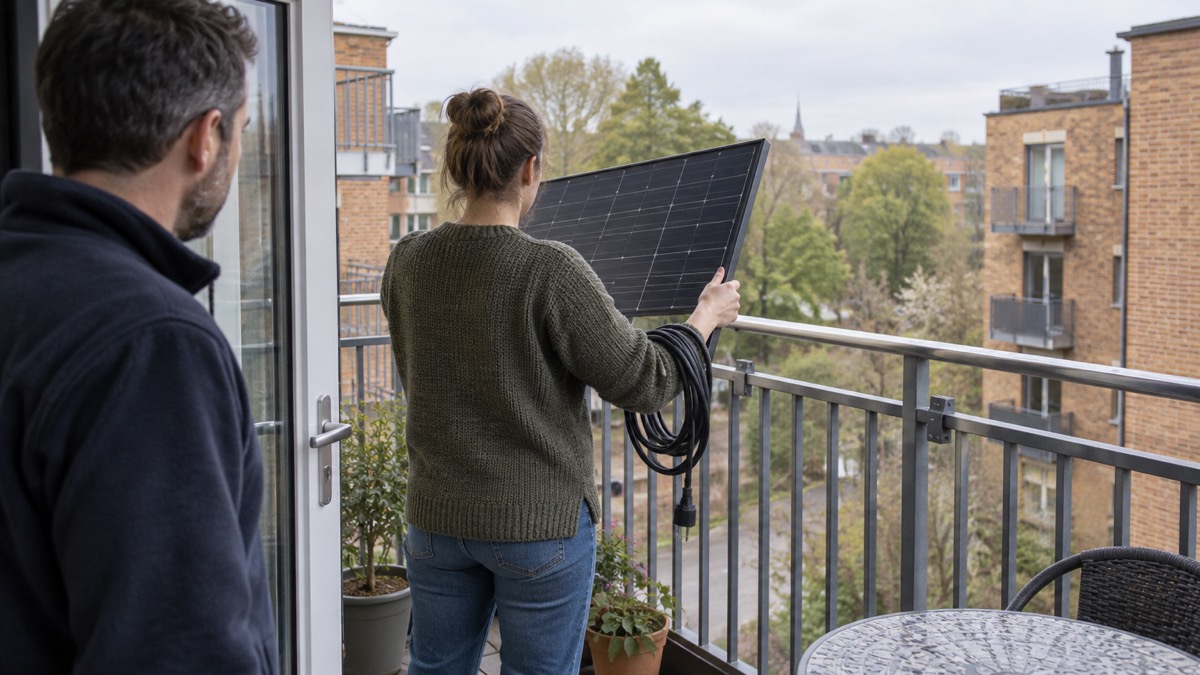
A balcony is the classic place for a plug-in panel, and makers design for it: the EcoFlow 520W Solar Panel and the EcoFlow 250W Solar Panel both come with integrated mounting accessories and are suitable for balconies, flat roofs and gardens4. That does not make the balcony yours to alter. In a rented flat, the balcony is usually part of the building, so the London Fire Brigade's advice to contact the landlord, housing provider, freeholder or property management company applies before you buy1.
Ask three things in your letter: whether the balcony structure can take the mounting, whether the panel may be fixed to the railings or wall, and who removes it when you leave. If the balcony is shared, treat it as a communal area and expect the managing agent to decide.
Leaseholders, freeholders and shared roofs
If you own your flat leasehold, you are the leaseholder but not the freeholder, and the freeholder or managing agent controls the structure and shared parts. The London Fire Brigade's advice names freeholders and property management companies alongside landlords, so the same written request applies1.
Shared roofs and communal areas need particular care. In a house in multiple occupation, private landlords are responsible for ensuring that the electrics in communal areas are safe, demonstrated by using a registered electrician to carry out an inspection, after which they will issue an EICR15. A panel in a communal area adds to what that inspection must cover, so the landlord needs to know before anything is fitted.
If you are buying a home with panels already fitted, ask for the paperwork. Without approval you will not have the certificates of compliance you may need when you want to sell your home16. The same logic applies to a flat: keep the permission letter, the installer's details and any registration documents with the lease.
Tenancy agreement clauses, insurance and moving out
Read your tenancy agreement before you ask. Clauses on alterations, fixings and outside space decide whether permission is even yours to seek6. If a clause is unclear, ask your landlord to confirm in writing what it means for a plug-in panel.
Insurance is the question renters most often forget. Tell your insurer what you plan to fit and ask whether the equipment and its mounting are covered, and tell your landlord so their policy is not caught out. Keep both replies with your permission letter.
When you move out, plan the removal. A plug-in panel is equipment you added, so expect to take it down and make good. Never carry out electrical work in the property yourself, even if your landlord asks you to; the landlord should employ a registered electrician to do all electrical work17. Only attempt plug-in lighting yourself, and get a registered electrician in for anything more complex18.
Where to get help
If you are unsure whether your home's wiring can take a plug-in system, ask. Homes with Type AC RCDs should not use plug-in solar systems without first upgrading to a minimum Type A bidirectional RCD on those circuits2. That is a question for a registered electrician, and you are within your rights to ask your landlord to arrange a check8.
For support during a power cut, the Priority Services Register is free and open to households that need extra help; ask your energy supplier to add you12. If your supplier will not fix a smart meter problem, tell them they must take all reasonable steps, and if you are still not satisfied, complain to the Energy Ombudsman13.
If you are in a shared or rented building and want to know what your landlord must do about fire safety, your local fire and rescue service publishes guidance; the London Fire Brigade, Surrey County Council and Dorset and Wiltshire services all set out duties for shared and rented accommodation1.
For the wider picture on living with less mains power, see our guides to off-grid solar systems, plug-in solar safety and backup power at home.
Sources (18)
- Plug-in solar panels: safety advice for residents and homeowners, London Fire Brigade, 2026-10-25
- Plug-in solar panels, Electrical Safety First, 2026-10-25
- Solar panels, Electrical Safety First, 2026-10-26
- Plug-in solar panels, London Fire Brigade, 2026-10-25
- EcoFlow 520W Solar Panel, EcoFlow, 2026-10-25
- Your questions answered, Electrical Safety First, 2026-10-25
- Safer housing: shared and rented accommodation, Dorset and Wiltshire Fire and Rescue Service, 2025-06-24
- Electrical items in the home, London Fire Brigade, 2026-10-25
- Student fire safety, Scottish Fire and Rescue Service, 2025-03-28
- How to rent a safe home, GOV.UK, 2020-12-10
- Fire safety at home, Surrey County Council, 2026-10-15
- Priority Services Register, Surrey County Council, 2026-10-28
- If you're having problems with your smart meter, Citizens Advice, 2026-10-26
- Energy domestic consumer advice, Ofgem, 2023-11
- Home buyers, Electrical Safety First, 2026-10-25
- Choosing an installer, GOV.UK, 2026-10-29
- Students, Electrical Safety First, 2026-10-25
- How to avoid a costly lockdown DIY disaster, Electrical Safety First, 2026-10-25
 Off-Grid Solar Kit Checklist
 Hydroponic System Parts List
 Year-Round Sowing Calendar
 Blocking Diode for Solar Panels
 Equalisation Charging
 Plug-In Solar to a Battery
 Plug-In Solar Extension Leads
 Plug-In Solar Safety
 Solar Panel Burning Smell
 Solar Panels in a House Fire