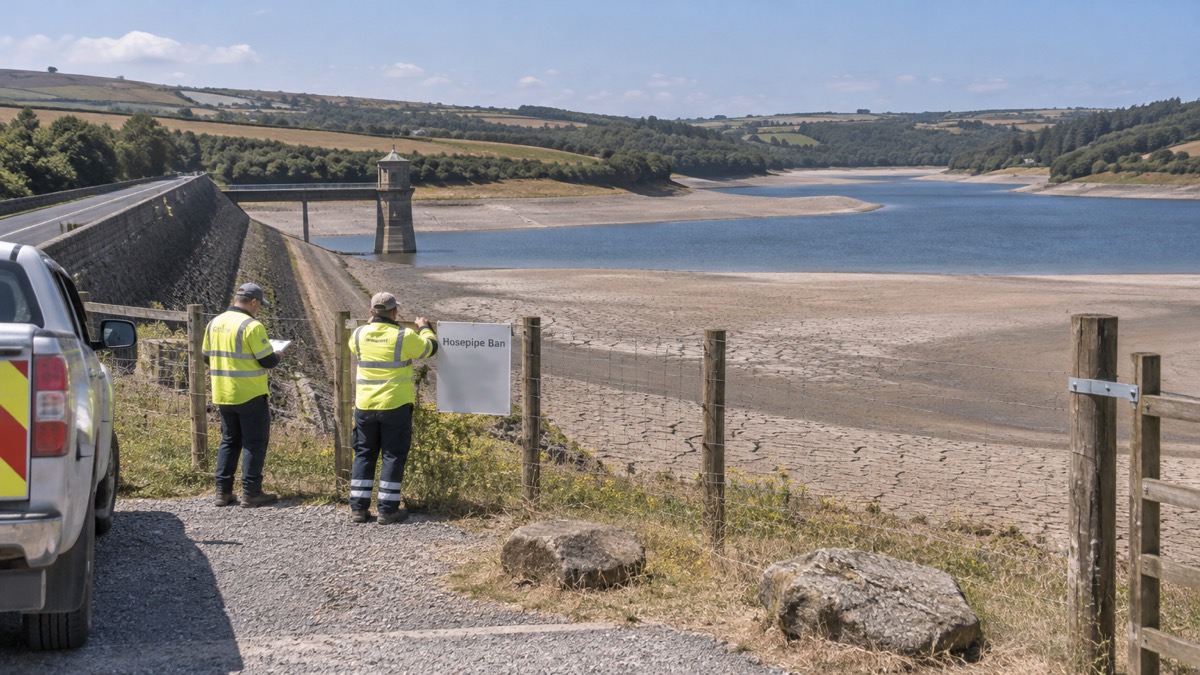
South West Water introduced a temporary hosepipe ban from 00:01am on Saturday 8 August 2022 for all its customers in Devon, Cornwall, parts of Dorset and Somerset and the Isles of Scilly1. The company said the ban was brought in to help protect water supplies during the current drought conditions1.
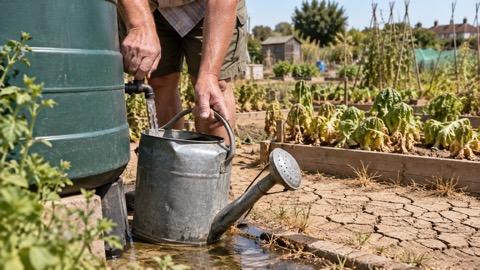
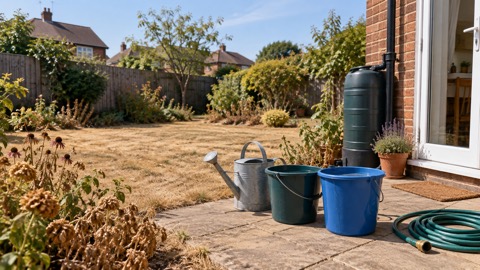
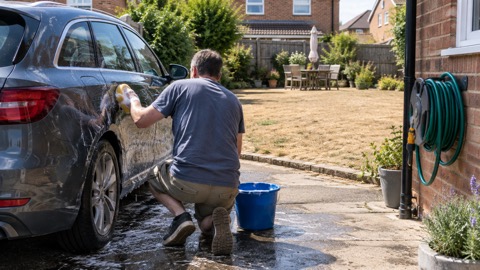
Under the ban, customers must not use hosepipes for non-essential purposes while it is in place1. South West Water lists garden watering, car washing, filling a paddling pool, swimming pool or hot tub, cleaning a patio or driveway, and cleaning walls and windows as uses covered by the restriction1. The company said water can still be used as normal for drinking, washing and cooking, and that many usual activities can still be carried out without a hosepipe, for example by using a watering can to water plants or a bucket and sponge to wash a car1.
Some people and some types of water use are exempt, meaning hosepipes can still be used in those cases1. South West Water said these exceptions are often based on people having additional needs, requiring water to carry out a business activity, or using water to protect people or animals, and that customers may be exempt if they have a health condition, disability or extra support need1. The company asked anyone covered by an exception to still be careful with water wherever possible, to help safeguard essential supplies1.
The company set out the background to the restriction. It said a prolonged period of hot and dry weather, with record temperatures and rainfall well below seasonal averages over many months, along with continuous high demand for water, had caused increasing pressure on reservoirs and available water resources1. It said the Environment Agency had declared half of England, including the South West, in drought, and that the Met Office had announced England and Wales had provisionally recorded their driest July on record, with Southern England seeing its driest month ever recorded, in a series dating back to 18361.
"We only impose a hosepipe ban when absolutely necessary as we recognise the impact it has on customers. We will lift the restrictions as soon as we can."
The company said its teams had been working around the clock to maintain reliable supplies, including maximising water treatment works production, moving water around the network to where it is needed most, increasing leak detection and repairs, and deploying additional resources to protect supplies1.
Why it matters for households
The restriction applies to all South West Water customers across the five areas named, from 00:01am on Saturday 8 August 20221. For affected households, the change is that hosepipes cannot be used for the non-essential purposes the company lists, while normal use for drinking, washing and cooking continues1. Households with a health condition, disability or extra support need may fall within the exemptions, and the company asks those covered to be careful with water wherever possible1. The hosepipe ban rules guide sets out what can and cannot be done during a ban, and the water shortage and hosepipe ban checklist covers preparing a household for reduced supplies. For garden and allotment watering, see watering the garden, allotment and new lawn in a hosepipe ban, and for pools, ponds and car washing see paddling pools, ponds and car washing during a hosepipe ban. The hosepipe bans: how temporary use bans work page explains the legal mechanism, and hosepipe ban fines and how to report misuse covers enforcement. General guidance on using less water is in how to save water at home when supplies are low, within the heatwaves and drought section.
What happens next
South West Water said it will lift the restrictions as soon as it can1. No date for lifting the ban has been reported1. How water companies plan for and respond to drought is covered in water company drought plans: what they say and your say.
Sources (1)
- Hosepipe ban | South West Water, southwestwater.co.uk
 Hosepipe Bans and the Garden
 Hosepipe Ban Rules
 Pools, Ponds and Car Washing
 Hosepipe Ban Fines and Reporting
 Household Guide to Drought





