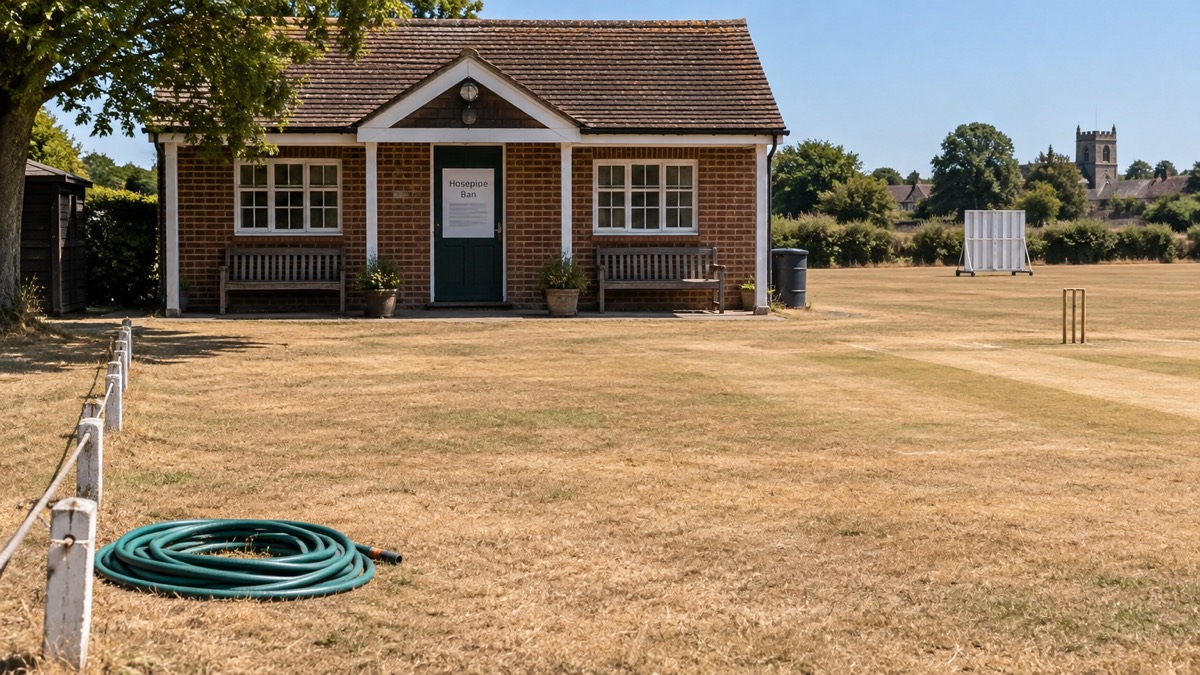
Waterwise, an independent not-for-profit campaigning organisation that describes itself as the leading authority on water efficiency in the UK, published hot weather water saving advice in August 2022 as temporary usage bans (hosepipe bans) got underway in some parts of the UK1. The organisation said the measures followed a notably dry July1.
Stephanie Hurry, Head of Water Efficiency Engagement at Waterwise, said July had been confirmed as the driest on record in England since 1911 and the driest in the UK since 19841. The organisation set out five tips for managing water in the garden over the summer, covering watering with a can, reusing water, letting lawns go golden, washing cars and using paddling pools1.
On water use, Waterwise stated that hoses and sprinklers typically use about 1,000 litres of water an hour, which it described as more than 12 baths in one hour1. It said established lawns really do not need to be watered, describing grass as a resilient plant that will bounce back when it rains next1. Its other suggestions included using a watering can early in the morning or later in the evening to avoid evaporation, collecting water such as a glass left overnight or the initial run of a tap for the garden, waiting until the weather has cooled before cleaning a car and using a bucket and sponge where possible, and filling a paddling pool with a jug rather than filling it up, keeping it covered for reuse and then reusing the water on plants or flowers1.
"July has been confirmed as the driest on record in England since 1911 and the driest in the UK since 1984"
The announcement did not identify which water companies or regions had introduced the bans, how many households were affected, or how long the restrictions would last; these details have not been reported in the material issued1. Waterwise describes its funding as coming from Waterwise Supporters and Affiliates across the UK water sector and beyond, and from sponsorship, research and delivery projects1.
Why it matters for households
Temporary usage bans restrict how household water can be used, and Waterwise's advice is aimed at households in areas where they apply1. The organisation's figures indicate the scale of garden water use: hoses and sprinklers typically use about 1,000 litres an hour, more than 12 baths in one hour1. Its guidance covers what households can do instead, including watering with a can at cooler times of day, reusing water on the garden, leaving established lawns unwatered, and washing cars with a bucket and sponge once the weather has cooled1. The practical rules of a ban, including what is and is not permitted, are set out in the guide to what you can and cannot do in a hosepipe ban, with further detail on how temporary use bans work and a water shortage and hosepipe ban checklist for households preparing for restrictions. Garden and outdoor uses are covered in the guides to watering the garden, allotment and new lawn and to paddling pools, ponds and car washing during a ban. Wider context on dry summers is in why UK summers are getting hotter and drier and the heatwaves and drought household guide, with hydration covered in how much water to drink in hot weather.
What happens next
No end date for the bans, and no list of the areas affected, has been reported1.
Sources (1)
- Hot Weather Press Release | News Events | Waterwise, waterwise.org.uk
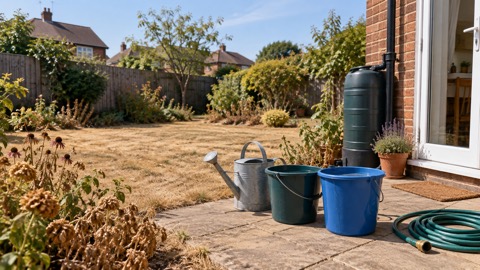 Hosepipe Ban Rules
 Hosepipe Bans and the Garden
 Pools, Ponds and Car Washing
 Why UK Summers Are Hotter
 Household Guide to Drought





