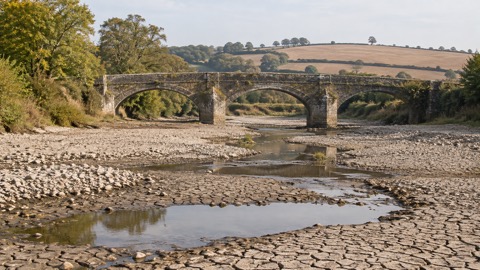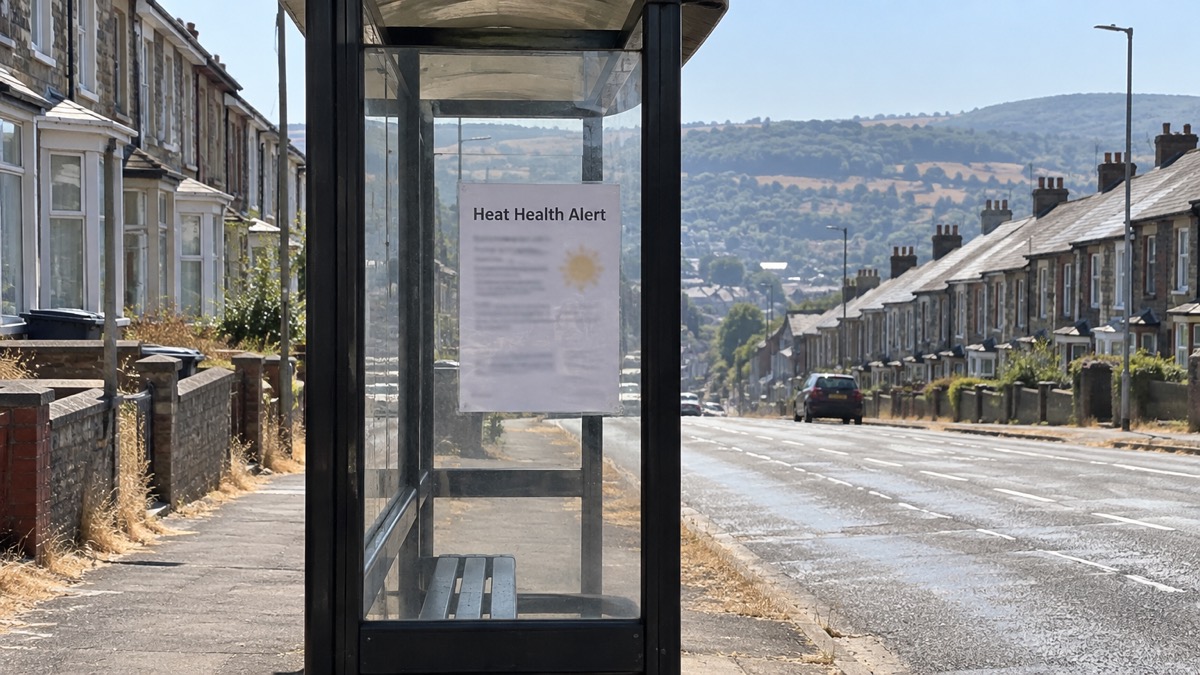
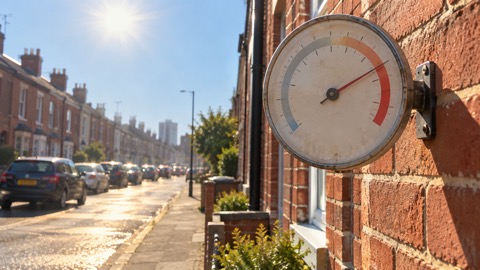
A heat event ran in Wales from 11 to 14 August 2022 under a Met Office red alert for extreme heat, the second of two notable heat events that summer, according to an advice note from the Chief Medical Officer for Wales1. The note, reference CEM/CMO/2023/3 and dated 3 July 2023, records that Met Office red alerts for extreme heat were issued for two periods: 17 to 21 July and 11 to 14 August 20221.
An analysis of data by Public Health Wales showed an increase in deaths in Wales on the final day of each heat event, possibly a cumulative effect1. On average there were 98.1 deaths a day in Wales on days covered by a Met Office Extreme Heat Alert, compared with 84.3 deaths on days with no alert1. The note states there were no clear trends in people affected: people who died on heatwave days were not statistically different in terms of age and sex from those who died on non-heatwave days1. The limited data available indicate some increases in NHS heat related contacts during the heatwaves, but definitive statements by age, sex or area are not possible1. The note says that as this was an unparalleled event in terms of maximum temperatures reached in Wales, there are not sufficient data to draw firm conclusions at this time1.
The note sets out who is most at risk and what heat illness looks like. Those most at risk include older people, young children, and those with pre-existing health conditions1. Heat-related illnesses listed include heat cramps and rashes, dizziness, and fainting (often due to dehydration), swelling (mainly ankles), heat exhaustion and heatstroke1. The effects of hot weather on health can occur quickly, within a couple of days of temperatures rising1.
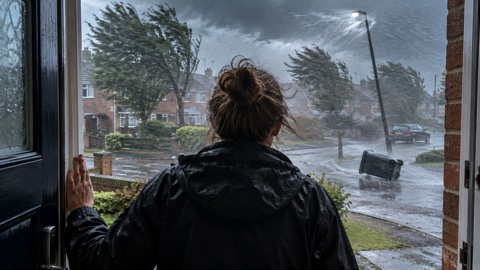
On how warnings work, the note says the Met Office runs a UK-wide National Severe Weather Warning Service, with warnings either amber or red, and that heat warnings are not about where it is hottest but focus on temperatures that are extreme or unusual compared with the average1. Other factors that can influence warnings include anticipated pressures on services, particularly emergency services, health and social care and utilities, as well as holiday periods1.
"On average, there were 98.1 deaths a day in Wales on days covered by a Met Office Extreme Heat Alert compared to 84.3 deaths on days with no alert"
Why it matters for households
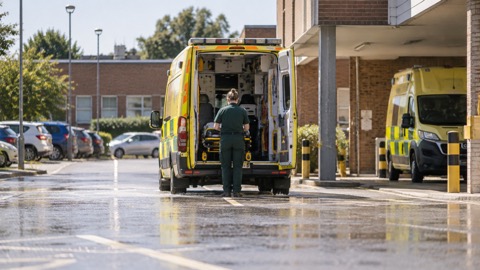
The note is addressed to health and social care system partners, not the public, but it describes what households in Wales experienced and what the authorities expect of services. It states that Welsh Government expects health and social care partners to develop plans detailing weather-related preparedness, resilience and response actions, relevant year-round1. When an amber or red warning is imminent, the note says partners should activate contingency arrangements, including preparing for a surge in service demand, monitoring indoor temperatures and taking actions to keep buildings cool1. It adds that partners should deliver patient and client services taking account of general advice or pre-prepared care plans, including visiting or telephoning high-risk individuals, conveying advice and offering information about what to do if they feel unwell1. Public Health Wales will also issue general public health advice through traditional and social media, which may be tailored to different groups, for example those coping without a water supply, and to settings such as concerts or festivals1. The note advises health and social care partners to consider linked risks such as air quality deterioration, wildfires and water quality impacts when developing contingency plans1. It also notes that risks may go beyond heat-health, for example increased potential for physical injuries and drowning from spending more time outside and in water, burns from barbecue use, and alcohol-related illness1.
The Met Office publishes weather warnings explained and heat-health alert levels, and the note's account of the summer sits with the record of past UK heatwaves. Households can read how to sign up for Met Office alerts and for heat-health alerts, and when heat illness warrants a call to 999 or NHS 111.
What happens next
The note says it will be kept under review, and asks health and social care partners to send feedback or share experiences and learning by email to HscClimate.Emergency@gov.wales1. It states that health and social care partners should sign up to receive Wales-context advice direct from the Met Office at wales.cca@metoffice.gov.uk1. It also says partners should review their plans regularly and undertake timely debriefs on incident responses, and that heat adaptation plans should reflect the latest evidence on the health impacts of climate change1. No further dates for publication or revision are given1.
Sources (1)
- www2.nphs.wales.nhs.uk, www2.nphs.wales.nhs.uk
 Heat-Health Alerts Explained
 Past UK Droughts and Heatwaves
 Why UK Summers Are Hotter
 UK Heatwave Definition
 Calling 999 for Heat Illness
 Met Office Weather Warnings