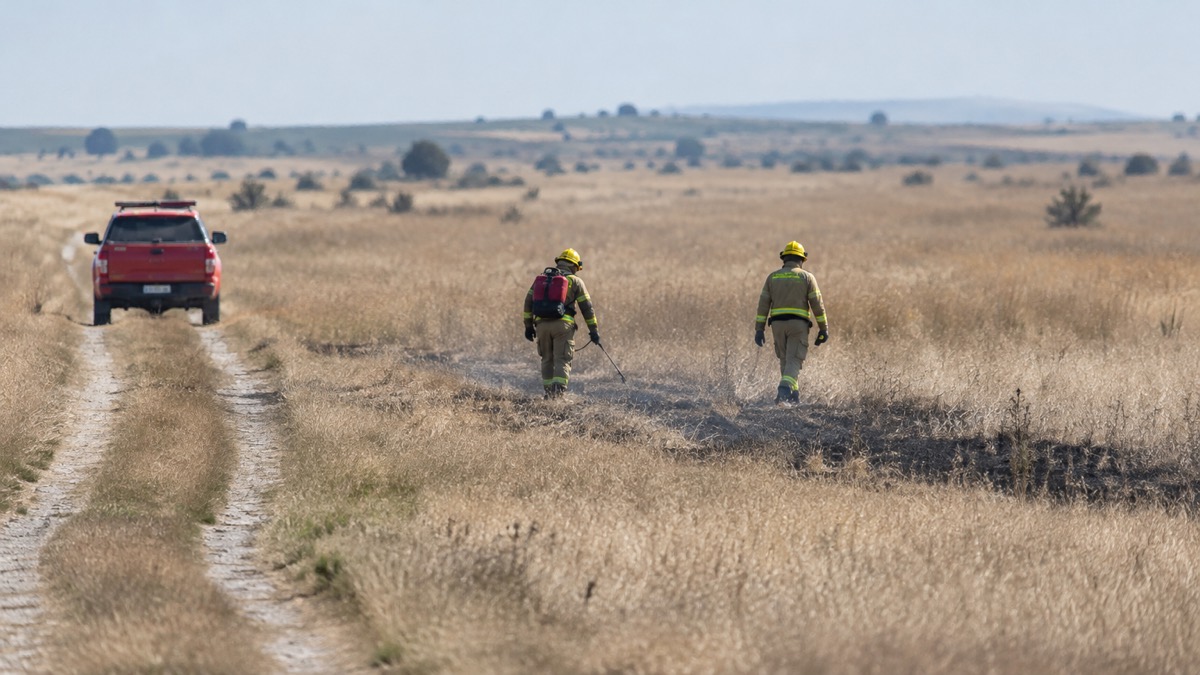
The Met Office's wildfire risk was raised to "very high" over much of England and parts of Wales as the heatwave continued, according to a report published on 2 July 20231. The report says the raised level was set the previous month1. The Met Office's own announcement of the change has not been reported in the available material.
The warning follows the fire in the village of Wennington on the outskirts of east London on 19 July 2022, when 19 homes were destroyed and dozens more damaged as temperatures topped 40C, the hottest day ever recorded in the UK1. The fire is believed to have started when a pile of grass ignited1. Wendy Davis, 72, whose two-storey cottage was destroyed, described returning the next day: "The roof and the ceiling had gone from the top and fell down to the bottom"1. Planning applications have been submitted to recreate eight cottages, including hers, but several homeowners did not have adequate insurance to cover the full costs of rebuilding1. All the families in Wennington who had been housed in hotels or hostels following the fire had by then found accommodation, according to Ray Morgon, leader of Havering Council1.
Area Commander Dave Nolan of Surrey Fire and Rescue Service warned that a wet March and April had led to the growth of more combustible vegetation, "more fuel", with the second half of July likely to be "peak wildfire season"1.
Firefighters are being supplied with specialist wildfire clothing and PPE to allow them to battle blazes for longer, and fire chiefs aim to ramp up suppression techniques, fighting fire with fire to create natural firebreaks1. The London Fire Brigade said it has made changes to its equipment and training as it prepares for more wildfires this summer1. Its deputy commissioner, Jonathan Smith, said earlier in the year that the speed with which the fire spread at Wennington "was something that if I'm honest I haven't seen in 24 years in my fire service career"1.
A report by the Grantham Research Institute on Climate Change and the Environment warned England was "not ready" to respond to extreme heatwaves and called for the Government to stop cutting public budgets1. Fire and ambulance crews told researchers that resources were at "breaking point", with capacity so stretched during last July's heatwave that, had it continued, it would have affected their ability to respond to emergencies1. Heatwaves across the UK are predicted to become hotter and more frequent with climate change, with south-east England being most vulnerable1.
Why it matters for households
The raised risk level covers much of England and parts of Wales1. The report sets out the conditions behind it: accumulated vegetation growth from a wet spring, high temperatures and wind1. It also records that south-east England is most vulnerable as heatwaves become hotter and more frequent1. For households in affected areas, the practical picture set out in the report is one of heightened grass and vegetation fire risk during the second half of July, and of fire services that researchers were told were at "breaking point" during last summer's heatwave1. The wildfires and grass fires guide sets out risk and prevention, and the barbecues and countryside guide covers barbecue and countryside fire risk in dry weather. Households wanting to understand the heat thresholds behind such warnings can read what counts as a heatwave in the UK, and those in vulnerable areas may find the guide to protecting your home and garden from a wildfire relevant. The wider context is covered in why UK summers are getting hotter and drier and the heatwaves and drought hub.
What happens next
The report identifies the second half of July as likely to be "peak wildfire season"1. It records that specialist wildfire units and suppression techniques are being introduced by fire services, and that the London Fire Brigade has changed its equipment and training ahead of this summer1. Rebuilding at Wennington continues: planning applications for eight cottages have been submitted, and Mrs Davis hopes her home will be rebuilt by the end of next year1.
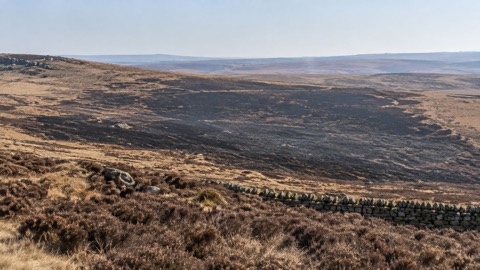 Wildfires and Grass Fires
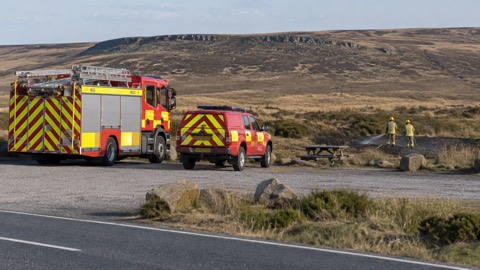 Barbecues and Wildfire Risk
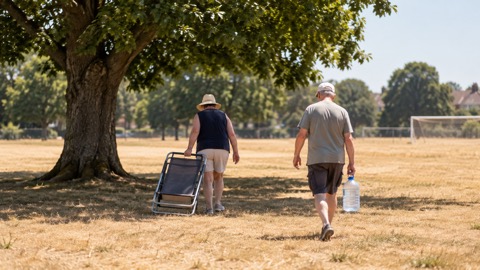 Why UK Summers Are Hotter
 Wildfire Home Protection





