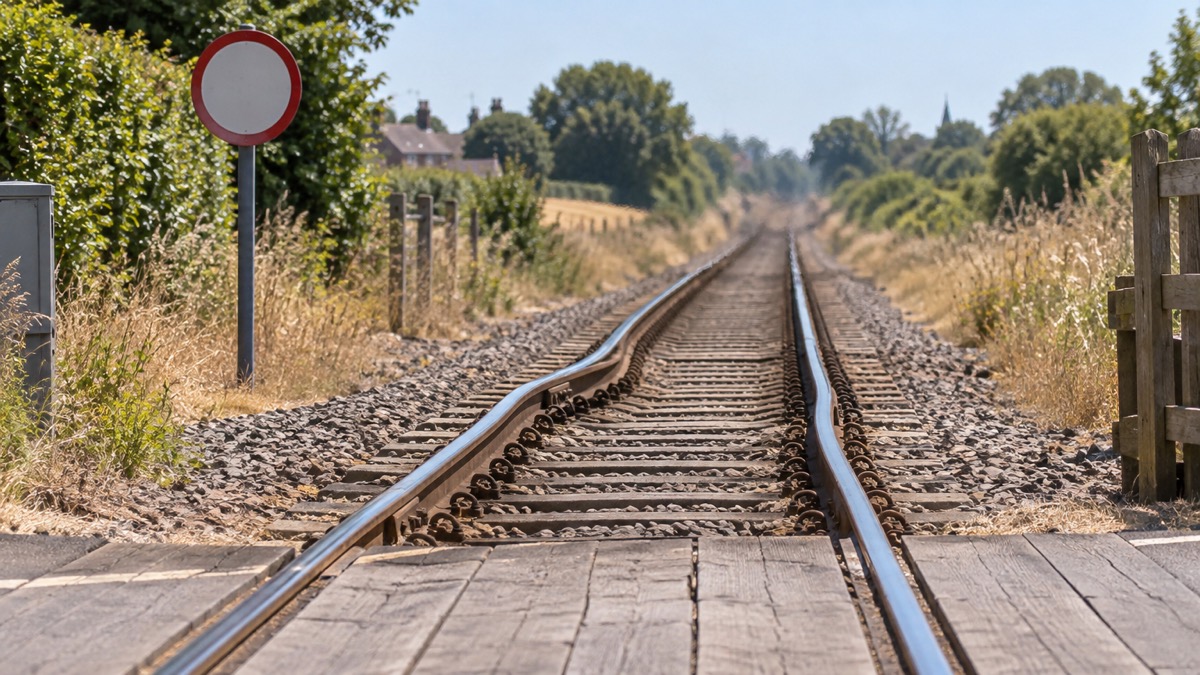
The Met Office issued the first ever Red Extreme Heat warning for parts of England, alongside a larger Amber Extreme Heat warning covering much of England, Wales and southern Scotland, as temperatures in the UK exceeded 40°C for the first time on record1. A provisional temperature of 40.3°C was recorded at Coningsby at 15:12 on 19 July 2022 which, if confirmed, would beat the previous record of 38.7°C set in 2019 by 1.5°C1. The Met Office said new temperature records could also be set for Wales and Scotland1.
Overnight temperature records were also expected to have been broken, with 25.8°C provisionally recorded in Kenley in Surrey and 24.5°C in Aberporth in Wales, exceeding the previous highest daily minimum record of 23.9°C, recorded in Brighton on 3 August 19901. A Level 4 UK Health Security Agency Heat Health Alert was issued for Monday and Tuesday1. The Met Office said this level of alert is used when a heatwave is so severe and/or prolonged that its effects extend outside the health and social care system, and that at this level illness may occur among the fit and healthy, and not just in high-risk groups1. The South Central Ambulance Service said the Red warning meant there was a risk of serious illness or even death amongst people who are fit and healthy too, and that it had taken a number of patients who had become so dehydrated that they needed urgent hospital treatment2.
A Yellow Thunderstorm Warning was issued for parts of the Southeast for the following day, with thunderstorm risks also affecting parts of the southwest and later the northeast of England1. Water UK said water companies were seeing substantial demand during the extremely hot weather1. National Highways advised everyone to check their vehicles, such as tyres, coolant and oil levels, before heading out1.
"It is important to keep yourself hydrated and to find shade where possible when UV rays are strongest, between 11am and 3pm."
The Met Office set out advice from its partners, including looking out for those who may struggle to keep themselves cool and hydrated, noting that older people, those with underlying conditions and those who live alone are particularly at risk1. It advised closing curtains on rooms that face the sun, drinking plenty of fluids and avoiding excess alcohol, never leaving anyone in a closed, parked vehicle, especially infants, young children or animals, and keeping out of the sun between 11am and 3pm when UV rays are strongest1. It also advised that anyone going into open water to cool down should take care and follow local safety advice1. Government advice is that 999 services should be used in emergencies only, with 111 for non-emergency health advice1. The South Central Ambulance Service said babies, children and the elderly are most at risk from dehydration in hot weather, but that it can also happen to people who have to work outdoors, exercise vigorously in the heat or spend long time in hot, indoor spaces2.
Why it matters for households
The Red warning applied to parts of central and southern England, an area that includes parts of the South Central Ambulance Service region2. The Met Office said the chances of seeing 40°C days in the UK could be as much as 10 times more likely in the current climate than under a natural climate unaffected by human influence, and that summers which see days above 40°C somewhere in the UK have a return time of 100 to 300 years at present, which could decrease to 15 years by 2100 even with current pledges on emissions reductions1. The Met Office weather warnings system uses yellow, amber and red levels, and the separate Heat-Health Alerts run from yellow to red, with Level 4 described by the Met Office as the point at which effects extend beyond health and social care1. The Adverse Weather and Health Plan sets out how services respond, and households can sign up for Heat-Health Alerts and Met Office weather alerts. Guidance on who is most at risk in hot weather and on dehydration signs and prevention is also available.
What happens next
The Met Office said temperatures were expected to start to return closer to normal for the time of year through the rest of the week, with cooler air pushing across the country from the west1. It said the thunderstorm risk would move to the east of England later on 19 July, with the potential for isolated heavy showers, gusty winds and lightning1.
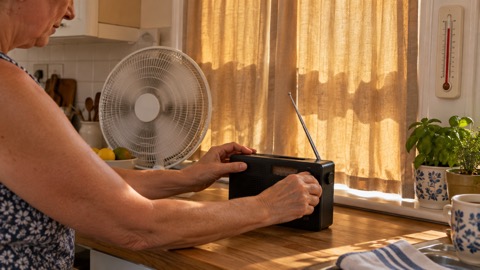 Heat-Health Alerts Explained
 Met Office Weather Warnings
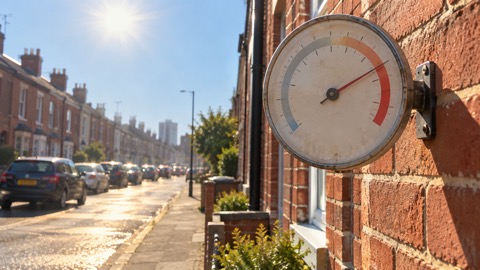 UK Heatwave Definition
 Who Is at Risk in Hot Weather
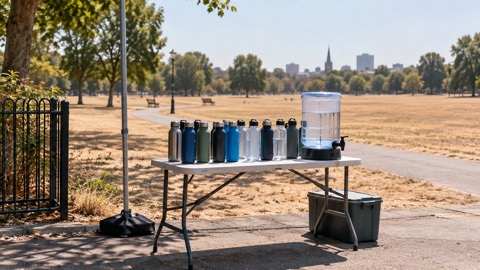 Dehydration Signs and Prevention





