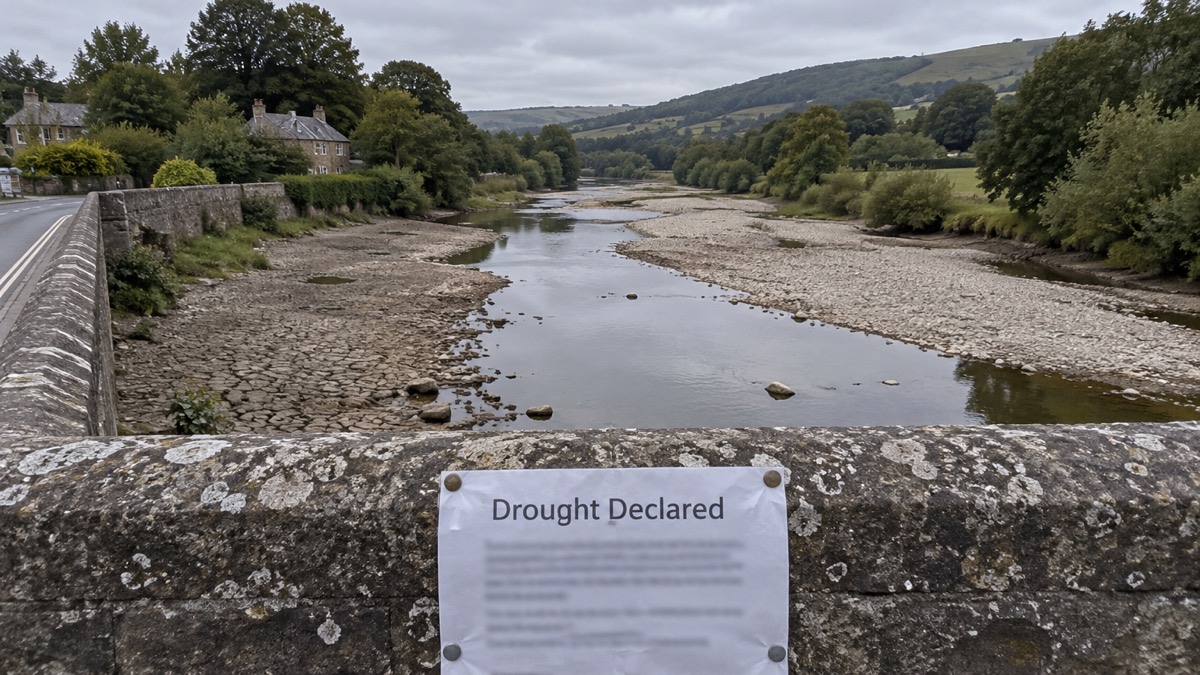
Wales received just 64% of the long-term average rainfall for the period between March and September 2022, making it the driest seven-month period in 150 years, according to the Welsh Government1. The figures were set out by the Minister for Climate Change, Julie James, in a statement to the Senedd on 18 May 2023, which said the shortfall placed significant pressures on water infrastructure and supply, wildlife and habitats, and the agriculture sector, leading to a declaration of drought1.
The same statement described how conditions had changed since. A particularly dry February in 2023 was followed by the wettest March in forty years, with Wales experiencing double the long-term average rainfall, which replenished reservoirs, rivers and groundwater supply1. The Minister said the drought status in Wales was normal at the time of the statement1.
The Welsh Government said Wales' Drought Liaison Group, made up of water companies, Natural Resources Wales, the Met Office and other partners, had officially started meeting to plan ahead for all weather scenarios1. It said back-to-back years of continuous drought would decrease resilience year on year, leading to ever worsening situations, and that climate change means wetter winters, drier summers, rising sea levels and more frequent and intense extreme weather events1.
"Thanks to the wettest March in forty years, the drought status in Wales is normal. However, as we have seen all too often in the past, the vagaries of the weather and climate impacts mean that conditions can change rapidly."
Why it matters for households
The declaration followed a seven-month rainfall shortfall that the Welsh Government says put significant pressure on water infrastructure and supply1. At the time of the May 2023 statement the drought status in Wales was normal, so no restrictions were in place1. The Minister asked people in Wales to think about their current water use and any ways they could help save water, and said reducing shower time by a minute, turning the tap off when brushing teeth and not letting the tap run when washing dishes were great starts1. She said using less water would reduce the energy used for water supply and wastewater treatment, helping to reduce carbon footprint and making Wales more resilient to climate change1. Wales' water companies, Dŵr Cymru Welsh Water and Hafren Dyfrdwy, offer advice to customers on their websites and were to run campaigns sharing tips on saving water, the statement said1.
The background to the 2022 event is covered in the guide to past UK droughts and heatwaves, and the wider picture in why UK summers are getting hotter and drier. Household planning for dry spells is set out in the heatwaves and drought guide, and water supply matters in the water hub. How drought is formally declared and what each stage means is explained in how drought is declared in England and what each stage means, and the role of water suppliers in water company drought plans. Households on a private supply can read what to do if your private water supply dries up.
What happens next
The Drought Liaison Group had officially started meeting to plan ahead for all weather scenarios, the Welsh Government said1. No further dates or decisions were given in the statement.
 Past UK Droughts and Heatwaves
 Why UK Summers Are Hotter





