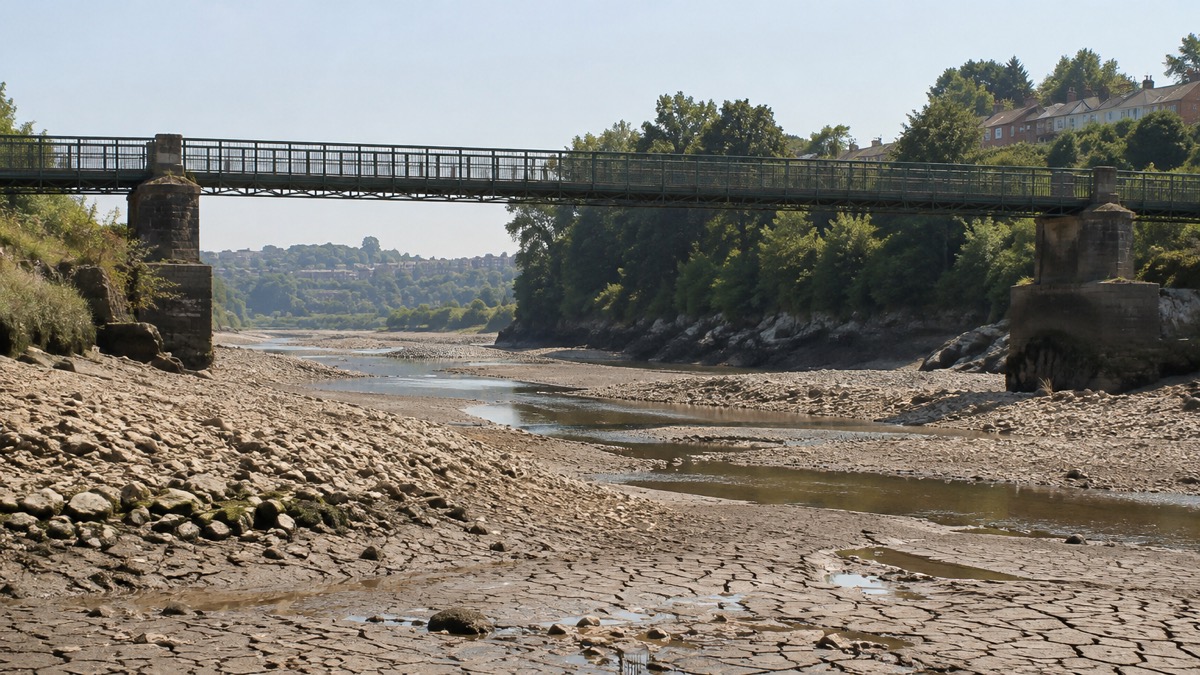
The Environment Agency has declared over 70% of England in drought, including Bristol, following months of record dry and hot weather1. The declaration is reported by Bristol Water in a notice dated 17 August 2026 and by SES Water, which also records that the country experienced five heatwaves this summer1.
Bristol Water said leaky toilets are one of the most common sources of water loss in the home and often go unnoticed, with many leaks silent and allowing water to trickle continuously into the pan1. It said a single leaking toilet can waste up to 400 litres of water a day1. The company set out a four step toilet roll test for households: wait an hour after the last flush so the back of the pan is dry, press a few sheets of dry toilet paper against the back of the pan, leave it for a few minutes without flushing, then check whether the paper has become wet1. It said that if the paper is wet the toilet may have a hidden leak, and that step by step advice on fixing common leaks is available on its website1.
"Many toilet leaks are completely silent, meaning customers can be wasting large amounts of water without realising it."
SES Water said the hot weather increased demand and water resources have come under increasing pressure across its region2. It said that although there has now been some rain, rivers, reservoirs and groundwater sources will take time to recover, and that it is monitoring reservoir and groundwater levels closely while teams work to maintain supplies2. It also said the Met Office has warned that global weather patterns could increase the risk of extreme weather into next year2. SES Water said it is making a significant investment in its supply network to reduce leaks, and that leaks can waste a lot of water over time and might damage a home2.
Why it matters for households
The declaration covers more than 70% of England, so households in a large part of the country are in an area the Environment Agency has classed as in drought1. Bristol Water's notice is addressed to customers across its region, which includes Bristol1. SES Water reports pressure on resources across its own region and says recovery of rivers, reservoirs and groundwater will take time even after rain2. Both companies point to household water use: Bristol Water to silent toilet leaks wasting up to 400 litres a day, and SES Water to fixing leaky loos, switching to showers and checking pipes for leaks1. SES Water states that with a meter, customers only pay for the water they use2. The Environment Agency's own statement on the declaration has not been reported in these notices.
What happens next
No dated next steps are given in either notice. SES Water says it is monitoring reservoir and groundwater levels closely and maintaining supplies, and that its teams are working to keep water moving around the network2. Bristol Water directs customers who find a leak to step by step repair advice on its website1. The Met Office warning of a possible increased risk of extreme weather into next year is reported by SES Water without a date attached2.
For the wider picture, see England's 2026 drought: where restrictions apply and how drought is declared in England and what each stage means. Household guidance is collected in the heatwaves and drought guide, with background on why UK summers are getting hotter and drier and on how much water to drink in hot weather. Water company planning is covered in water company drought plans: what they say and your say.
Sources (2)
- Bristol Water encourages households to check for hidden toilet leaks, bristolwater.co.uk
- Come Rain or Shine | Save Water | SES Water, seswater.co.uk
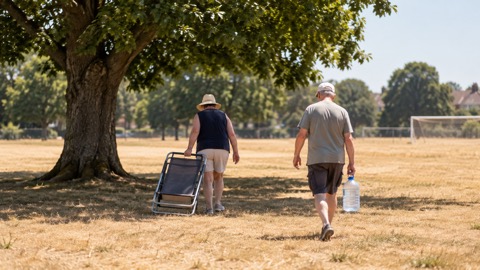 Why UK Summers Are Hotter
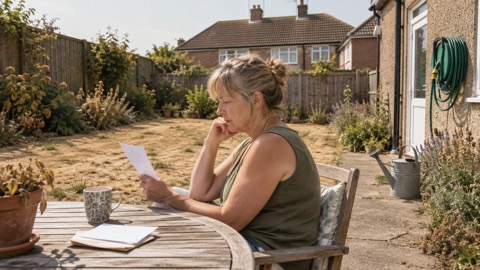 England 2026 Drought Areas
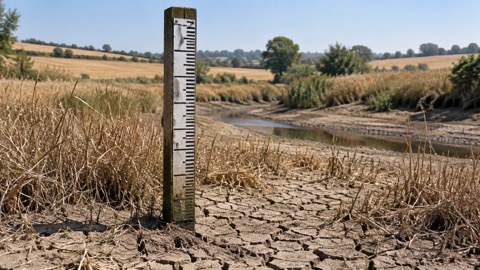 Drought Stages in England
 How Much Water to Drink





