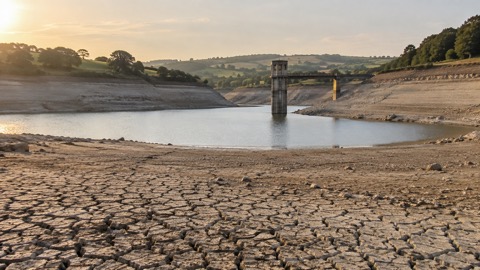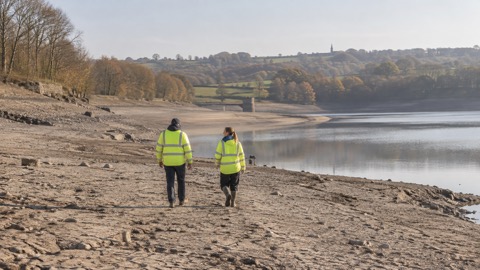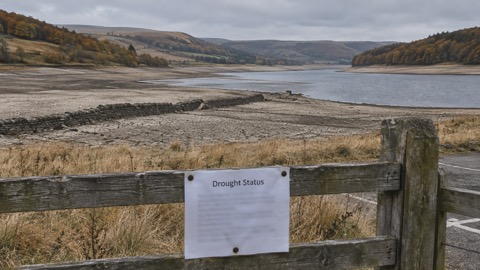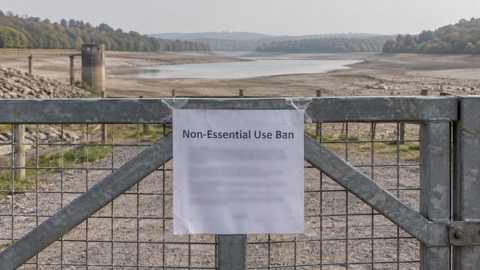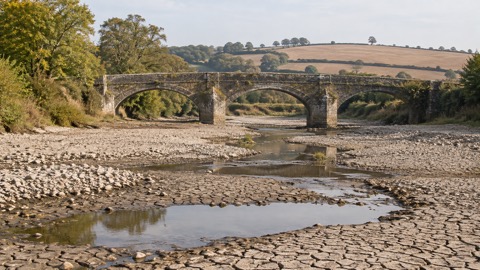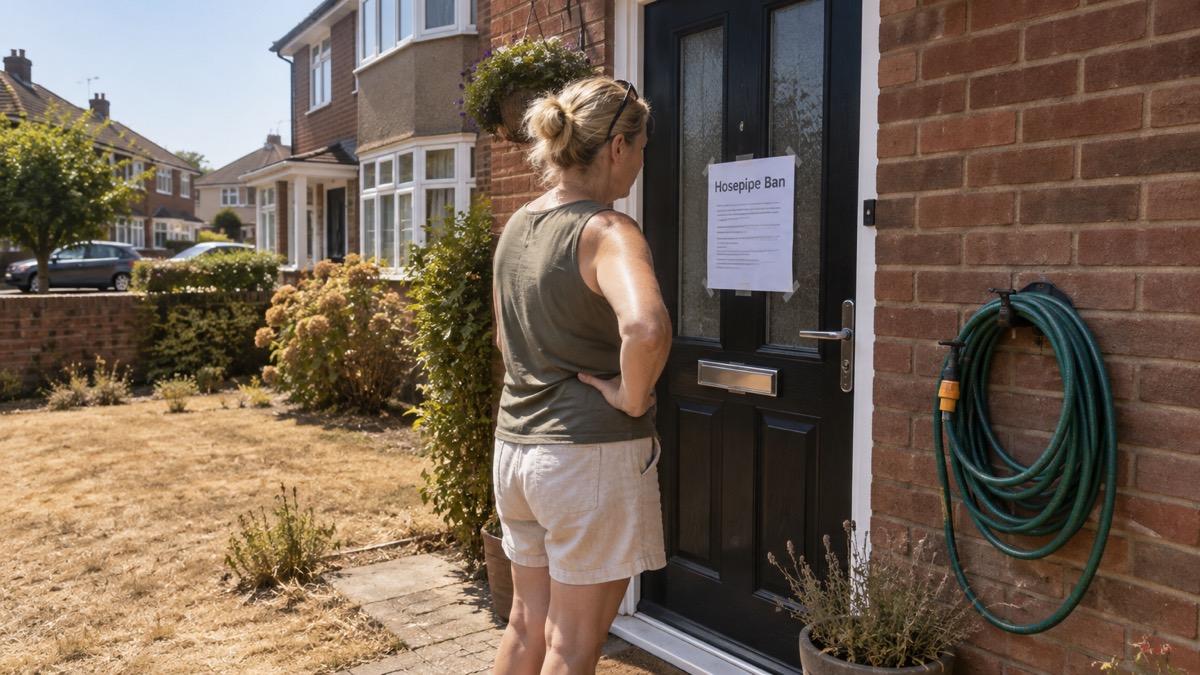
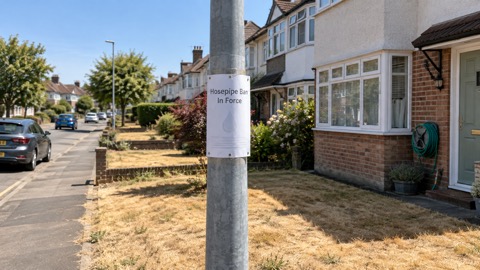
South East Water introduced a Temporary Use Ban (TUB) for its customers in Kent from 00:01 on Friday 3 July 20261. The company said the restrictions followed lower than average rainfall, continued hot weather and high demand, which had led to a decline in river levels and the need to protect some groundwater sources1. The Consumer Council for Water (CCW) reported that ten water companies were operating temporary use bans as of Monday, 14 September, to reduce demand for water, which rose significantly during repeated heatwaves and prolonged dry weather over the summer2.
The Kent start date was the earliest of the restrictions listed by CCW. South East Water's customers in Sussex, Surrey, Hampshire and Berkshire came under restrictions from 00:01 on Saturday 25 July 20261. The CCW list gives the following start dates for other companies2:
| Company | Area covered | Restrictions in force from |
|---|---|---|
| South East Water | Kent | 3 July |
| Southern Water | Hampshire and the Isle of Wight | 10 July |
| Anglian Water | All customers | 11 July |
| Cambridge Water | All customers | 17 July |
| Affinity Water | Central region | 17 July |
| Thames Water | All water customers | 23 July |
| South East Water | Sussex, Surrey, Hampshire and Berkshire | 25 July |
| Essex and Suffolk Water | All customers | 3 August |
| South West Water | Devon, Cornwall, parts of Dorset and Somerset, Isles of Scilly | 8 August |
| Affinity Water | East region | 17 August |
| Wessex Water | All customers | 18 August |
| Bristol Water | All customers | 27 August |
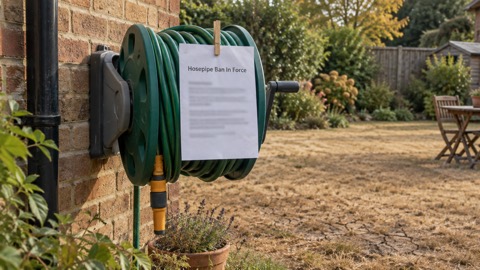
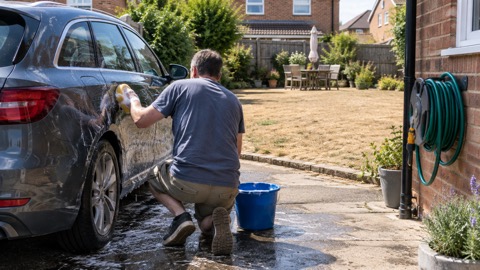
South East Water said a hosepipe means anything designed, adapted or used to serve the same purpose as a hosepipe, so garden sprinklers and irrigation systems connected to the mains supply, and anything attached to them such as pressure washers, are treated as hosepipes1. The restrictions mean customers should not use hosepipes for watering gardens, washing cars, patios and boats, or for filling swimming and paddling pools1. CCW noted that a hosepipe can use as much as 1,000 litres of water an hour2.
South East Water later tightened its rules in Sussex. From 9 October 2026, previously permitted exemptions there were removed, and customers in Sussex can use a hosepipe only where it is required for health, safety or welfare purposes1. On 15 October the Environment Agency declared Severe Drought in parts of Sussex following prolonged dry weather and exceptionally low water levels1. The company said it had not had to place Surrey, Hampshire and Berkshire in temporary restrictions in 14 years, since 20121.
"Hosepipe restrictions will understandably frustrate some people but water companies have a responsibility to act when sustained hot weather and rising demand for water risks harming our beautiful chalk streams, rivers and wider natural environment."
Why it matters for households
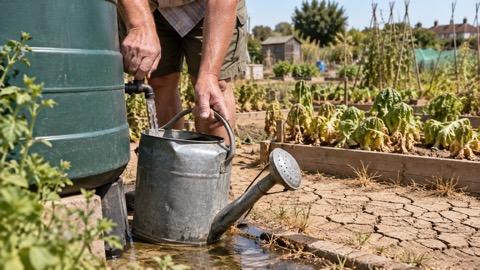
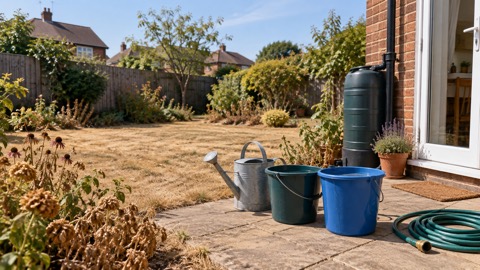
Households supplied by South East Water in Kent have been subject to the ban since 3 July 2026, and those in Sussex, Surrey, Hampshire and Berkshire since 25 July 20261. The company states that customers it supplies must follow the restrictions, and that anyone unsure of their supplier can check by postcode through the industry body Water UK1. For Kent, Surrey, Hampshire and Berkshire customers, exemptions apply to two groups: customers on the company's Priority Services Register who are unable to make reasonable adjustments, and customers who need a hosepipe for other reasons including animal welfare and business needs1. The register covers categories including blindness, chronic or serious illness, dementia, dialysis, partial sight, physical impairment and restricted hand movement1. The company lists activities already exempt, including health and safety, animal welfare, business need, recycled water use, new lawns, trickling irrigation systems, commercial watering, new swimming pools and religious practice1. Use of a hosepipe connected to a water butt or other recycled water storage system is not restricted1. The company said its absolute priority is making sure there is always enough water for everyone's essential daily needs: drinking, cooking and hygiene1.
What happens next
South East Water said its teams continue to take action to protect water supplies and asked customers to continue following the restrictions and using water wisely1. The company said it is fixing more leaks, exploring options including a second reservoir near Arlington, working with farmers and landowners on rivers and groundwater in the Thames, Ouse and Cuckmere catchment areas, running every available water treatment works at full capacity and moving water around its network1. No end date for the restrictions has been reported.
Households wanting detail on what the rules permit can read what you can and cannot do in a hosepipe ban, watering the garden, allotment and new lawn in a hosepipe ban and paddling pools, ponds and car washing during a hosepipe ban. Background on how temporary use bans work is in hosepipe bans: how temporary use bans work, and a water shortage and hosepipe ban checklist sets out household preparations. The wider picture is covered in England's 2026 drought: where restrictions apply and the heatwaves and drought hub.
Sources (2)
- Hosepipe ban in Kent | South East Water, southeastwater.co.uk
- Hosepipe restrictions - why are they happening and are you affected - CCW, ccw.org.uk
 Hosepipe Bans and the Garden
 England 2026 Drought Areas
 Hosepipe Ban Rules
 Pools, Ponds and Car Washing
 Household Guide to Drought