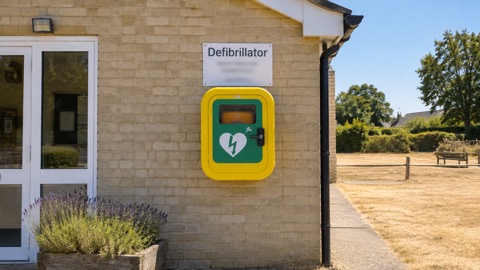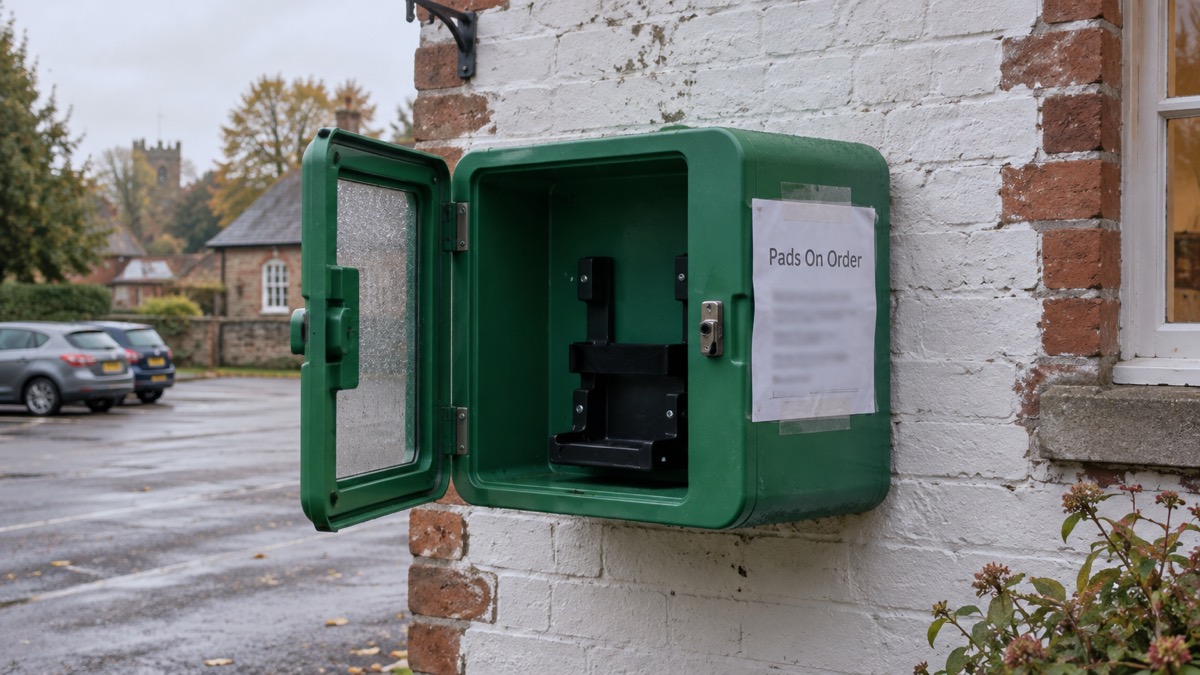
Resuscitation Council UK (RCUK) said on 22 September 2022 that it was aware of a nationwide shortage of defibrillator stocks, including replacement pads and batteries, which it attributed to delays in the supply chain. The statement was issued by Sue Hampshire, Director of Clinical and Service Development at RCUK.
The council said the shortage affects the consumable parts that guardians of defibrillators (AEDs) check and replace, as well as the devices themselves. It gave no figures for how many devices, pads or batteries are affected, and no estimate of how long the delays will last. Those details have not been reported.
RCUK's position is that an expired pad does not by itself justify taking a defibrillator out of service. It said the benefit of attempting defibrillation with out-of-date pads outweighs the risk of delayed defibrillation while waiting for an alternative device from the ambulance service.
"RCUK is aware of a nationwide shortage of defibrillator stocks, including replacement pads and batteries."
The council urged people who look after a device to note the expiry date on the pads for every defibrillator in their care, and said registering the device on The Circuit, the national defibrillator network, means a reminder about the pads' expiry date will be sent. It advised contacting the supplier around 20 to 24 weeks before the expiry date to ask about lead times for replacement pads, which it said reduces the risk of not having them in time.
| RCUK guidance, 22 September 2022 | Detail |
|---|---|
| What is short | Defibrillator stocks, replacement pads and batteries |
| Stated cause | Delays in the supply chain |
| Expired pads | Do not automatically remove the device from public access |
| When to contact the supplier | About 20 to 24 weeks before the pads' expiry date |
| Reminders | Registering on The Circuit sends a reminder of the pads' expiry date |
Why it matters for households
The shortage affects anyone responsible for a defibrillator in a community or workplace, including the growing number of households that keep one or act as its guardian. The practical effect is on how long defibrillator batteries and pads last and on the supply of replacements when they expire, so the defibrillator guardian checklist and the wider task of checking and restocking supplies now depend on ordering further ahead than usual.
RCUK's advice is that a device should not be taken out of public access on the day its pads expire, because it may still help save a life in an emergency. It advises guardians to record expiry dates, register devices on The Circuit for reminders, and approach suppliers about 20 to 24 weeks before expiry. For anyone locating a device in an emergency, the public access defibrillators guide explains how to find the nearest one.
What happens next
RCUK has not said when supplies are expected to return to normal. Its dated steps for guardians are to note each device's pad expiry date, register the device on The Circuit so a reminder is sent, and contact the supplier around 20 to 24 weeks before that date for advice on delivery lead times.
 Defibrillators (AEDs)
 Medicine Shortages Explained
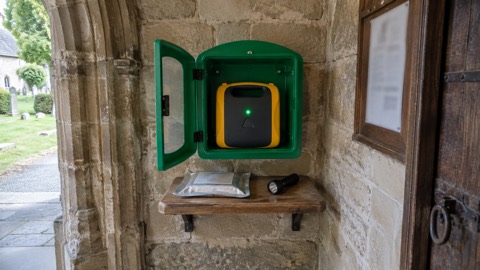 Defibrillator Guardian Checklist
 Public Access Defibrillators
 Checking and Restocking Supplies
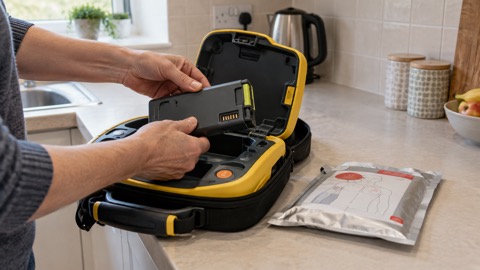 Defibrillator Battery and Pads