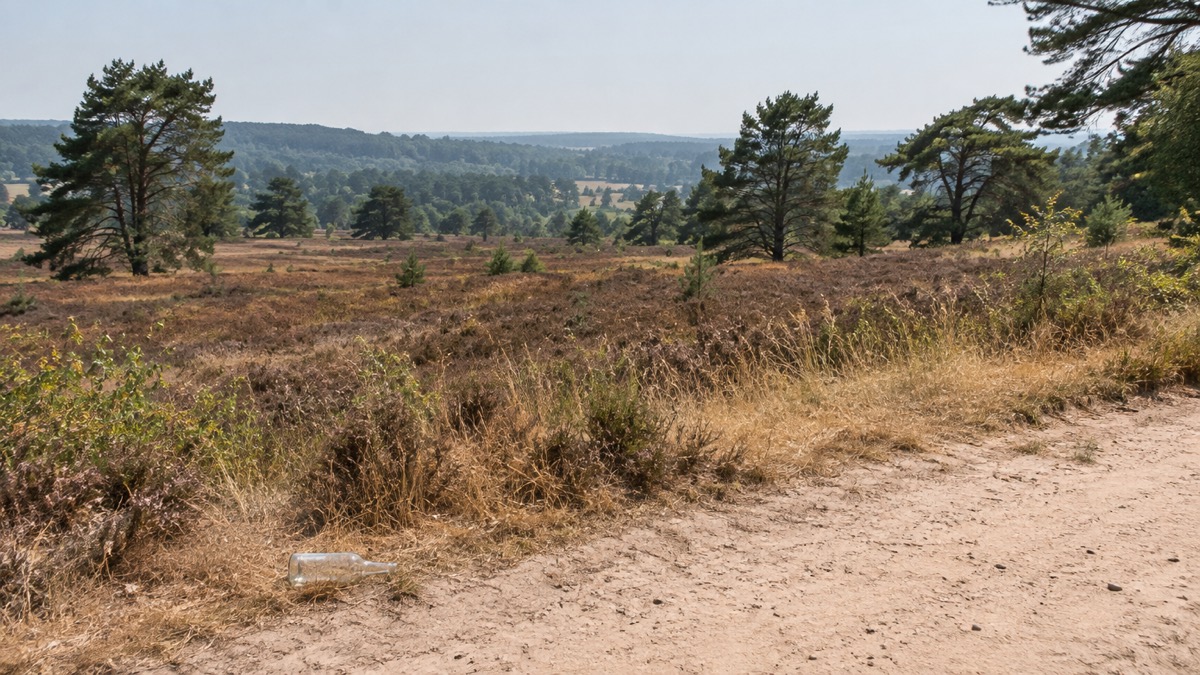
The National Fire Chiefs Council (NFCC) warned on 8 July 2026 that hot, dry conditions during the UK's third heatwave since late May are increasing the risk of fast-spreading wildfires across parts of the country1. The warning was carried in a Met Office forecast update the same day, which reported that warm and dry conditions, with increasing winds for some, are raising wildfire risk in some areas2.
Temperatures are forecast to exceed 30°C in many areas this week, with some locations expected to reach around 34°C, according to the NFCC1. The Met Office gives higher figures for the peak: highs of 35°C on Thursday and potentially 36°C in some locations on Friday, with temperatures widely above 30°C across England and Wales2. It said Saturday could see 34°C in southwest England and 33°C on Sunday, with 27 or 28°C possible in Scotland and Northern Ireland on Friday2. The NFCC said this heatwave is not forecast to reach the extreme temperatures of late June but is expected to last longer1.
Fire and rescue services in England and Wales responded to 342 wildfires recorded between 1 January and 6 July 2026, according to National Resilience data, compared with 639 during the same period last year1. The NFCC said overall wildfire activity remains lower than at the same point last year, but that prolonged hot weather is drying vegetation, and that if conditions persist the risk of larger, faster-moving incidents is expected to increase in the coming days and weeks1. Services have responded to a number of wildfires across southern and eastern England in recent weeks1. For comparison, services in England and Wales had responded to 1,006 wildfires as of 11 November 2025, and by 4 September the count had already passed the 994 recorded in all of 2022, previously the worst year on record1.
The Met Office reported that amber and yellow heat health alerts have been issued by the UK Health Security Agency, meaning significant impacts are likely across health and social care services due to the high temperatures2. It said UV levels are expected to be high or very high across many parts of the UK throughout the week, and pollen levels high or very high in some areas2.
"When the weather stays hot and dry, it only takes one spark to start a wildfire. What can begin as a small fire can spread incredibly quickly, putting people, homes, wildlife and our countryside at risk."
The NFCC's wildfire public safety advice asks people to avoid using disposable barbecues in open countryside, parks and moorland areas; not to discard cigarettes, matches or glass bottles; to follow local authority guidance on fire risks and restrictions; and to report any signs of fire immediately by calling 999 and asking for the Fire and Rescue Service1. It asks anyone who notices suspicious behaviour, or sees someone intentionally starting a fire, to contact the Police on 101 or report anonymously to Crimestoppers on 0800 555 1111. Farmers and contractors are encouraged to take extra care while operating machinery and to follow seasonal fire safety guidance, with crops now dried and harvesting under way in many parts of the country1.
The NFCC also warned about inland water. It said that while air temperatures may be high, water can remain dangerously cold and entering it unexpectedly can trigger cold water shock, with hidden hazards including strong currents, sudden changes in depth and submerged objects1. Its water safety advice includes not jumping into water to cool off, swimming in supervised locations, never entering the water to attempt a rescue but calling 999, and not entering the water after drinking alcohol1. The Met Office advises checking water temperature, noting that seas and river temperatures are low enough to cause cold water shock when 15°C or lower, and wearing a wetsuit for any length of time in the water2.
Why it matters for households
The warning covers households across the UK, with the highest temperatures expected in England and Wales on Thursday and Friday2. The NFCC says prolonged warm, dry weather, including warm nights, leaves grass, crops, heathland and woodland less able to regain moisture, so fires can start and spread rapidly1. It states that many wildfires are caused by everyday human activity and that even a small ignition source can quickly develop into a fast-moving fire1. The Met Office advises people to take sensible precautions in the heat, including staying hydrated, avoiding prolonged exposure to the sun during the hottest part of the day, and checking on vulnerable friends, family and neighbours2. The NFCC asks people to look out for one another and to take simple steps to help prevent avoidable tragedies1. Practical guidance on barbecues and wildfire risk in dry weather and on wildfires and grass fires is set out in this guide, alongside the wider heatwaves and drought section, the Adverse Weather and Health Plan and advice on how to keep cool during a power cut in hot weather.
What happens next
The Met Office said temperatures will ease gradually rather than break down suddenly. By early next week many areas are expected to remain in the mid-to-high 20s, still above average for the time of year, with the warmest conditions becoming focused further north and west2. It said heatwave thresholds may continue to be met in places, and that there is a chance of thunderstorms spreading into parts of the south and southwest2. The NFCC said the risk of larger, faster-moving wildfires is expected to increase in the coming days and weeks if the dry conditions persist1.
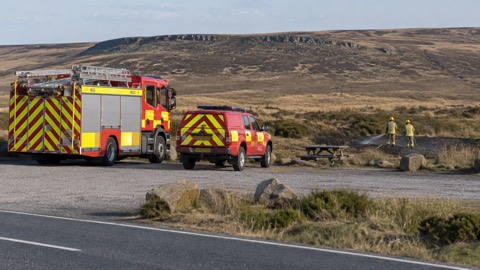 Barbecues and Wildfire Risk
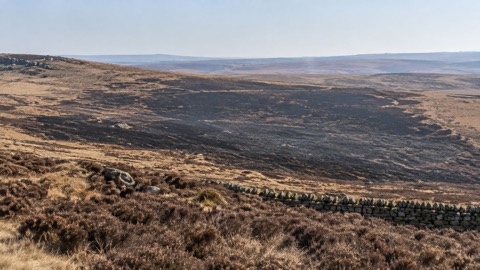 Wildfires and Grass Fires





