
The Met Office said on 13 June 2022 that temperatures would rise through the week, with many parts of the southern half of the UK likely to reach 30C by Friday, and 33C in isolated spots. It described this as the first spell of hot weather this year and said some parts of England may perhaps meet the heatwave criteria1.
The forecast is for a fine, dry start to the week with sunny spells for many in England and Wales, while weak fronts bring cloudier weather and a chance of light rain to Scotland and Northern Ireland, especially in the northwest. From Wednesday, high pressure building in the south is expected to allow temperatures to build day on day, becoming warm or hot by Friday, while cloud, rain and breezy conditions continue in the northwest1.
Dan Rudman, Deputy Chief Meteorologist at the Met Office, said:
"Temperatures will rise through the week, becoming well above-average by day by Friday when many parts of the southern half of the UK are likely to reach 30C or even 33C in isolated spots."
He added that many areas would also see warm nights, with temperatures expected to be in the mid to high teens overnight1. The Met Office said it is still unusual for temperatures to exceed these values in June. The highest temperature recorded in the UK so far in 2022 was 27.5C at Heathrow on 17 May. The highest recorded June temperature in the UK is 35.6C, reached at Southampton Mayflower Park on 28 June 1976; records date from 18841.
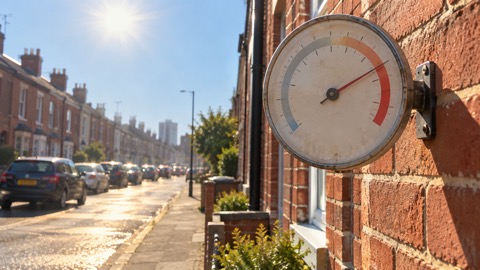
On the heatwave definition, the Met Office said a UK heatwave threshold is met when a location records at least three consecutive days with daily maximum temperatures meeting or exceeding the heatwave temperature threshold, and that the threshold varies by UK county. It said that although some parts of England may perhaps meet these criteria, the spell looks relatively short-lived, with milder conditions likely to return later in the weekend as cooler air pushes across the country from the northwest and temperatures trend back to around average for June1.
Agostinho Sousa, Head of Extreme Events and Health Protection at the UK Health Security Agency, said it was especially important during hot weather to keep checking on those who are most vulnerable, such as older people and those with heart or lung conditions, and to look out for signs of heat exhaustion1.
The Met Office also said that an increase in the frequency, duration and intensity of extreme high-temperature events and heatwaves over recent decades is linked to the observed warming of the planet and can be attributed to human activity. Its previous research has shown that the frequency of high-temperature extreme weather events outnumbers low-temperature extremes by about nine to one1.
Why it matters for households
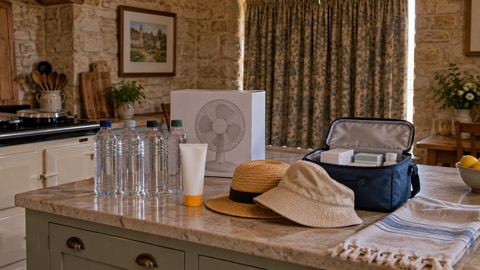
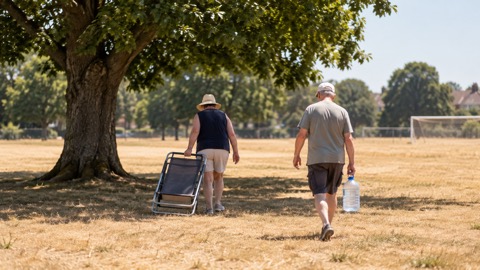
The heat is forecast for the southern half of the UK, building from Wednesday and peaking on Friday, with warm nights in the mid to high teens in many areas1. The Met Office's official definition of a heatwave explains the three-day county thresholds that determine whether the spell is formally classed as one. Households planning for hot weather can use the site's hot weather preparation checklist, and the Adverse Weather and Health Plan sets out how health and care services respond. The Met Office's longer-term picture of why UK summers are getting hotter and drier is also covered, with the heatwaves and drought hub bringing these together.
The UK Health Security Agency's advice, as given in the announcement, is to check on older people and those with heart or lung conditions during hot weather and to watch for signs of heat exhaustion1.
What happens next
The Met Office said milder conditions look likely to return later in the weekend, with temperatures trending back to around average for June as cooler air pushes across the country from the northwest1. It directed people to its website, social media channels and mobile app for the latest forecast, and to its weather warning page to keep track of current warnings1.
Sources (1)
- Is there a heatwave on the way? - Met Office, metoffice.gov.uk
 Hot Weather Preparation
 UK Heatwave Definition
 Why UK Summers Are Hotter





