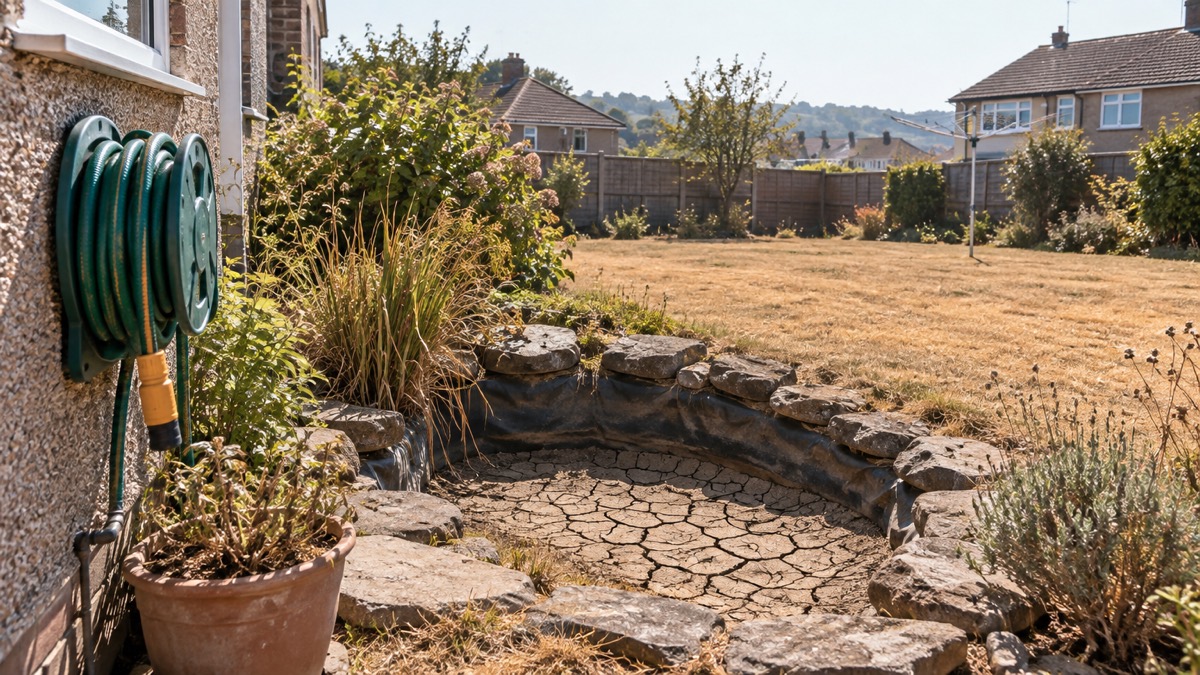
The Met Office forecast on 7 July 2025 that high pressure from the Atlantic would build temperatures over the coming days, with heatwave criteria reached in parts of the UK by the weekend1. Its Chief Meteorologist, Neil Armstrong, said England might reach 30°C on Thursday, with up to 32°C possible in parts of England and Wales on Friday, and that Scotland was also expected to meet heatwave criteria over the weekend1.
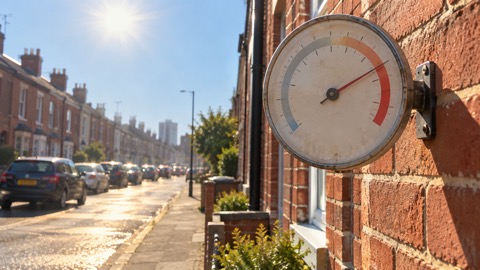
The Met Office defines a UK heatwave as at least three consecutive days at a location with daily maximum temperatures meeting or exceeding the heatwave temperature threshold, which varies by county1. It said this spell was expected to be longer lived and to extend further north and west into a larger part of the UK than earlier hot weather this summer, though temperatures were not expected to be quite as high as at the end of June and early July1. Pollen and UV levels were expected to be very high in some areas1. Seas to the south of the UK were in a significant marine heatwave, expected to persist and intensify over the coming week with temperatures as high as 20C in some places, while temperatures around the coasts of Northern Ireland and northern Britain remained chilly1.
The UK Health Security Agency (UKHSA) issued yellow heat-health alerts covering England, valid until Tuesday 15 July, according to a Met Office update on 9 July2. That update put peak temperatures on Saturday at 33°C possible in parts of England and Wales, with 30°C expected in some areas on the Wednesday and above 30°C more widely on the Friday2. A further Met Office update on 11 July said large swathes of the UK had met heatwave criteria, with temperatures expected to peak at 33 or even 34°C on the Friday and Saturday and the Midlands likely to see the highest values; 32°C was reached at Ross-on-Wye on the Thursday3. It said temperatures were likely to locally approach 30°C over Northern Ireland on the Saturday and reach 31 or even 32°C over parts of Scotland away from eastern coasts, while an onshore breeze would limit eastern coastal counties to the high teens or low to mid-twenties3. Some western areas could see overnight lows in the high teens or even low twenties3. On the Sunday, 30°C was still likely across central and southern England and eastern Wales, with locally 31°C possible3.
Heat-health alerts changed as the spell developed. The UKHSA and Met Office page records that on 11 July an amber heat-health alert was issued for six regions of England (West Midlands, East Midlands, South East, South West, London and East of England) from 12pm that day until 9am on Monday 14 July, with the North East, North West and Yorkshire and the Humber remaining under a yellow alert4. The Black Country Integrated Care Board said the alert for the West Midlands had been upgraded to amber from 12pm on Friday 11 July until 9am on Monday 14 July, replacing the earlier yellow warning5. The Met Office's 11 July update described amber and yellow heat-health alerts covering the whole of England, valid until 14 July3.
| Area | Forecast in Met Office updates | Heat-health alert, 11 July4 |
|---|---|---|
| England and Wales | Up to 32°C on Friday 11 July; 33 or 34°C possible on Friday and Saturday, Midlands likely highest1 | Amber for six regions from 12pm 11 July to 9am 14 July4 |
| Scotland | 31 or even 32°C over parts of Scotland away from eastern coasts on Saturday3 | Not covered by the England alerts4 |
| Northern Ireland | Locally approaching 30°C on Saturday3 | Not covered by the England alerts4 |
| North East, North West, Yorkshire and the Humber | Not separately forecast in the updates cited | Yellow4 |
Suffolk Fire and Rescue Service activated its Extreme Heat Business Continuity Plan following the yellow heat-health alert issued on 8 July by the UKHSA for the East of England, saying the plan aims to maintain an effective and efficient emergency response and will remain in place until multi-agency discussions decide the additional measures are no longer required6. It said it was working with farmers trialling specialist couplings to improve emergency access to on-farm water supplies during wildfires6. Members of the public were urged to avoid disposable barbecues and campfires in rural or open areas, never to discard cigarettes or glass bottles on dry grass or in wooded areas, and to take extreme caution around water, especially rivers, lakes and the coast, since cold water shock can be fatal even in warm weather6. Chief Fire Officer Jon Lacey said anyone encountering a fire or inland water emergency should not put themselves at risk and should call 999 and ask for the fire service6.
The RNLI's Water Safety Manager, Ross Macleod, said the seas around the UK coast are cold enough year-round to trigger cold water shock, and that people in difficulty should remember to float: tilt the head back with ears submerged, relax and try to breathe normally, and move hands and legs to stay afloat2. The RNLI encourages people to choose a lifeguarded beach and swim between the red and yellow flags2.
The NHS Black Country Integrated Care Board set out the signs of heat exhaustion, including headache, dizziness and confusion, loss of appetite and feeling sick, excessive sweating and pale, clammy skin, cramps, fast breathing or pulse, a temperature of 38C or above and extreme thirst, saying these are the same in adults and children although children can also turn sleepy and floppy5. It said heat exhaustion is not usually serious if you can cool down within 30 minutes but can quickly turn to heatstroke, a life-threatening condition when core body temperature reaches 40C or higher that must be treated immediately5. Its Chief Medical Officer, Dr Ananta Dave, advised drinking plenty of cold drinks, taking cool baths or showers, wearing light coloured and loose clothing, staying out of the sun between 11am and 3pm and avoiding alcohol and exercise, and said anyone with heat exhaustion should be moved to a cool place, lie down with feet raised slightly, drink plenty of water and have their skin cooled with cold water and a fan5. The board said to call 111 if someone still feels unwell after drinking plenty of water, is not sweating even while feeling too hot, has a temperature of 40C or above, or feels confused, and to keep an eye on children, the elderly and people with long-term conditions such as diabetes or heart problems5.
Why it matters for households
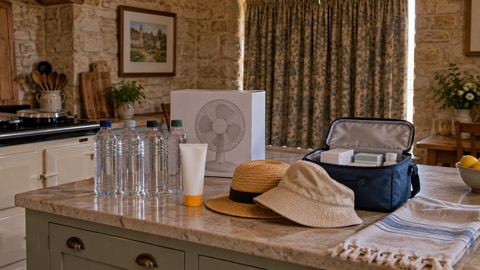
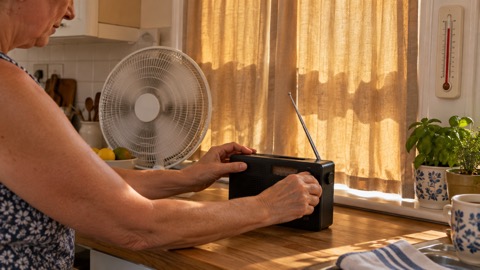
The Met Office expects heatwave criteria to be met in parts of England, Wales and Scotland by the weekend of 12 and 13 July, with the hottest values in the Midlands and up to 33 or 34°C possible on Friday and Saturday1. Yellow heat-health alerts covered England until Tuesday 15 July in the 9 July update, and amber and yellow alerts covered the whole of England until 14 July in the 11 July update2. The UKHSA and Met Office say an amber alert means weather impacts are likely to be felt across the whole health service, with possible health impacts across the wider population and increased risk for people aged over 65 or with pre-existing conditions including respiratory and cardiovascular diseases4. UKHSA's Dr Agostinho Sousa said older adults and those with pre-existing health conditions are particularly at risk and that people should check in on friends, family and neighbours who are more vulnerable4. UKHSA advice includes keeping homes cool by closing windows and curtains in rooms that face the sun, covering up with a suitable hat and sunglasses and applying sunscreen regularly when outside, staying out of the sun between 11am and 3pm, and doing physical activity such as exercising or walking the dog in cooler parts of the day4. The Met Office advises keeping up to date with weather warnings through its forecast, website, YouTube, X, Facebook and mobile app1. The official definition of a heatwave explains the county thresholds, and the heat-health alert levels page sets out what yellow, amber and red mean. Households can read the hot weather preparation checklist and the baby and child hot weather checklist, and can find out how to sign up for heat-health alerts. The heatwaves and drought guide covers the wider picture, including why UK summers are getting hotter and drier.
What happens next
The Met Office said on 7 July that less hot or fresher conditions might arrive from the west early next week, but how quickly this transfers eastward was uncertain, and hot conditions might persist for a while longer, especially towards central, southern and eastern areas1. Its 9 July update repeated that outlook2. On 11 July it said Monday would see showers developing across many parts of the UK, some heavy and thundery, heralding fresher, cooler conditions from the west, with eastern areas remaining very warm in the high twenties, and that cooler, more changeable weather would spread across the whole of the UK by midweek3. The UKHSA and Met Office page records that the amber alert for six regions ran until 9am on Monday 14 July, with yellow alerts for the North East, North West and Yorkshire and the Humber4.
Sources (6)
- Warming up, with another heatwave on the way for some - Met Office, metoffice.gov.uk
- Heatwave conditions expected across much of the UK - Met Office, metoffice.gov.uk
- Heatwave conditions across much of the UK - Met Office, metoffice.gov.uk
- Heat-Health Alerts issued by UKHSA and the Met Office - GOV.UK, gov.uk
- Signs of heat exhaustion and heatstroke :: Black Country ICB, blackcountry.icb.nhs.uk
- suffolk.gov.uk, suffolk.gov.uk
 Hot Weather Preparation
 UK Heatwave Definition
 Heat-Health Alerts Explained
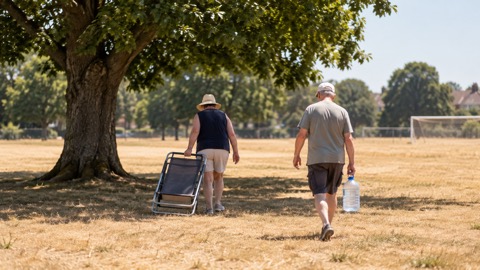 Why UK Summers Are Hotter
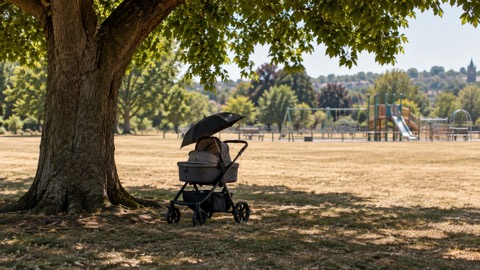 Baby and Child Hot Weather





