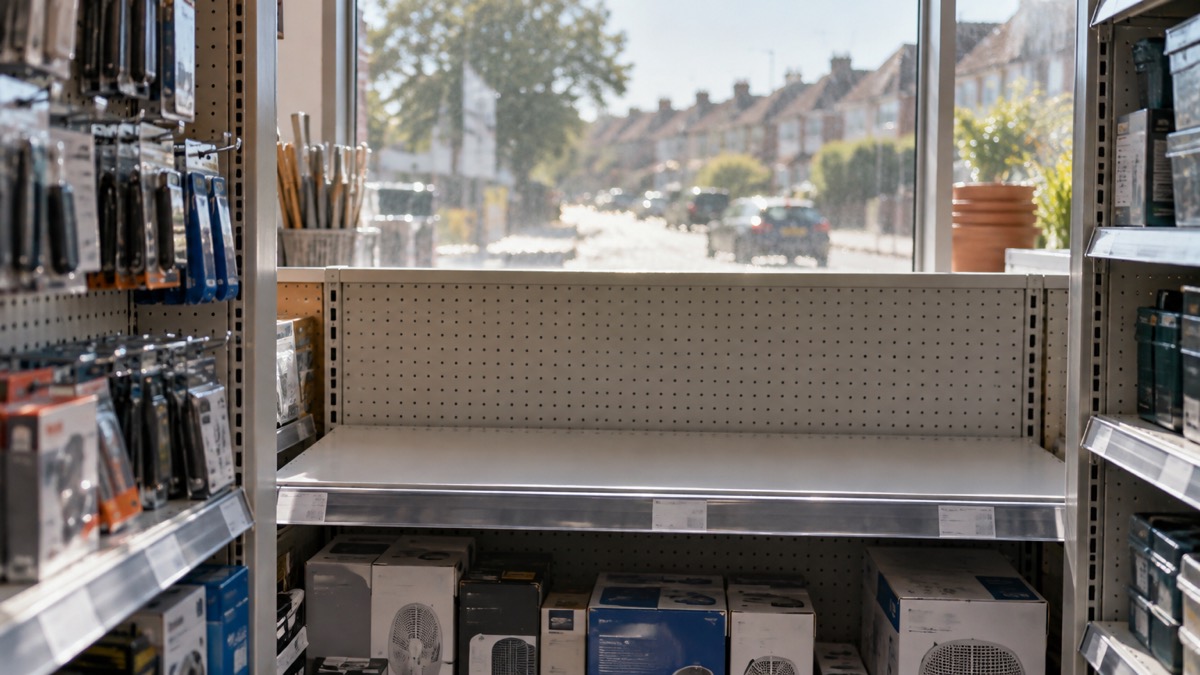
The Met Office extended an Amber Extreme heat warning on Tuesday 12 July 2022, covering Sunday 17 and Monday 18 July for much of England and Wales1. The warning highlights likely adverse health effects for the public, not just those most vulnerable to extreme heat, and the Met Office said temperatures could be in excess of 35°C in the southeast and more widely around 32°C within the warning area1. It said these high temperatures could extend further into next week and that an extension of the warning would be considered in the coming days1.
The Met Office said heatwave criteria, when specific temperature thresholds must be exceeded three days running, would be met for many locations in southern and central England and Wales early in the week1. Temperatures on Tuesday could peak at 31°C in the southeast, with more cloud, and Wednesday and Thursday were more likely to peak in the high 20s Celsius1. A persistent area of high pressure centred over the southern half of the UK was responsible for the warm spell, bringing largely dry and clear weather with little cooling into the evenings1. From Sunday and into Monday, a developing southerly flow was expected to allow very high temperatures building over the continent to spread northwards1.
A Level 3 UK Health Security Agency Heat Health Alert was in place for southeastern areas that week, with a Level 2 alert for much of the rest of England1. The UK record high temperature is 38.7°C, reached at Cambridge Botanic Garden on 25 July 20191. The Met Office said some models had been producing maximum temperatures in excess of 40°C in parts of the UK over the coming weekend and beyond, but that at longer time scales forecasts become less reliable and such figures, while they could not be ruled out, were still only a low probability1.
On Thursday 14 July the Welsh Government said the Amber warning had been issued for Sunday 17, Monday 18 and Tuesday 19 July, and that some parts of east Wales could see temperatures reach the early to mid-thirties2. This differs from the Met Office announcement of 12 July, which gave Sunday and Monday as the warning dates and said an extension would be considered1.
"Extreme heat warnings are not issued lightly by the Met Office and the potential health risks need to be taken seriously."
Why it matters for households
The Met Office warning covers much of England and Wales for Sunday 17 and Monday 18 July, with the Welsh Government stating the warning runs to Tuesday 19 July for Wales1. The Met Office's explanation of yellow, amber and red weather warnings sets out what each level means, and its heatwave thresholds explain the three-day temperature criteria referred to in the announcement1. The UK Health Security Agency heat-health alert levels in force that week are described in the guide to Heat-Health Alerts: Yellow, Amber and Red Explained, and households can read how to sign up for heat-health alerts.
The UKHSA's Dr Agostinho Sousa said heat-health alerts had been issued to the majority of the country, with temperatures set to remain consistently high throughout the week1. He advised keeping hydrated and finding shade where possible when UV rays are strongest, between 11am and 3pm, and said those with vulnerable family, friends and neighbours should make sure they are aware of how they can keep themselves protected1. The guide to who is most at risk in hot weather covers the groups the Welsh Government named as at higher risk: elderly people, children, those with chronic health problems and vulnerable people who may struggle to keep cool2.
The Welsh Government advised staying hydrated, avoiding the hottest part of the day between midday and 3pm and strenuous outdoor activity at those times, wearing sunglasses and sun protection, and keeping rooms shaded by closing blinds and curtains while turning off non-essential lights and electrical equipment2. It said not to leave young children, elderly people or pets in parked cars, to be careful around open water including rivers and lakes and to supervise children, and to wear loose fitting clothing and a hat outdoors2. It said there may be significant impacts on transport infrastructure in Wales including road and rail, that vehicles are more likely to break down and the rail network could face strain, and that travellers should check with their rail or bus operator, Traffic Wales or Traveline Cymru2. Advice was being provided to schools and childcare settings including avoiding vigorous physical activity and maximising shade and ventilation, and employers were reminded of their legal responsibility to ensure a safe and healthy environment and to make reasonable adjustments in line with Health and Safety Executive advice2. Event organisers were asked to assess whether all or part of an event should be postponed, and visitors to the Royal Welsh Show at Llanelwedd were told to follow show organisers' advice2.
Government advice, as reported by the Met Office, is that 999 services should be used in emergencies only, with advice from 111 for non-emergency health advice1. The Welsh Government directed people worried about heat-related symptoms to the NHS 111 website or to call 1112.
What happens next
The Met Office said an extension of the warning would be considered in the coming days, and that details for late in the following weekend and early the next week would be added as forecasts were monitored1. The Welsh Government said it was working with emergency services, local authorities, schools and businesses during the warning period, and that Welsh Government ministers and officials were taking part in UK-wide civil contingencies structures for a co-ordinated approach to cross-border issues2.
Sources (2)
- Extreme heat warning issued - Met Office, metoffice.gov.uk
- Public urged to take precautions as temperatures rise in Wales | Welsh Government News, media.service.gov.wales
 Heat-Health Alerts Explained
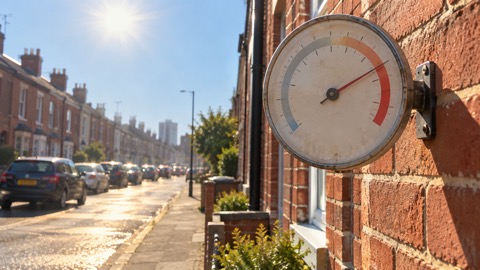 UK Heatwave Definition
 Met Office Weather Warnings
 Why UK Summers Are Hotter
 Who Is at Risk in Hot Weather





