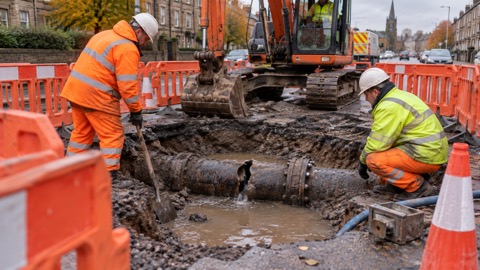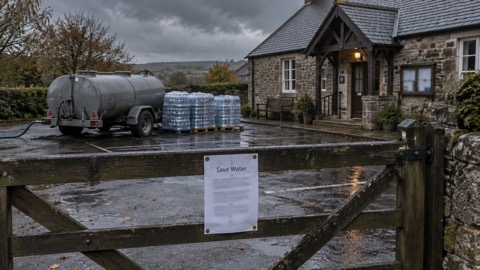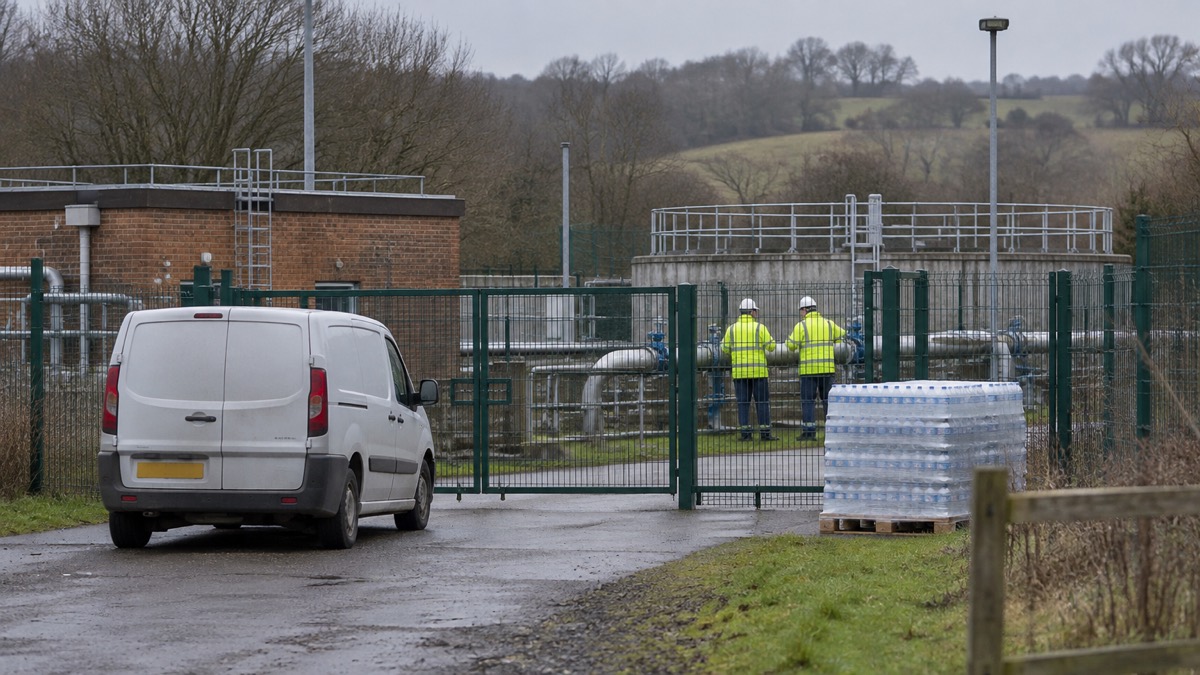
The Drinking Water Inspectorate has concluded its investigation into the loss of supply and boil water notice affecting up to 60,170 consumers in the Tunbridge Wells area in November and December 2025, and has placed South East Water into a transformation programme1. The conclusion was published on 14 April 20261.
The Inspectorate found that the event arose from longstanding weaknesses at Pembury water treatment works rather than from exceptional raw water conditions. It listed the areas of failure as operational management, treatment optimisation, monitoring, maintenance and organisational preparedness1. Its assessment concluded that the loss of supply and the subsequent boil water notice were foreseeable and preventable, and that the findings point to systemic and repeated failings across both operational control and emergency management arrangements, resulting in serious consumer impact1.
"The event arose not from exceptional raw water conditions but from longstanding weaknesses in operational management, treatment optimisation, monitoring, maintenance and organisational preparedness at Pembury water treatment works."
The transformation programme is described by the Inspectorate as one of the most significant steps it can take. It is used when a water company has shown a pattern of serious or repeated failures that cannot be addressed through individual enforcement actions alone. Under the programme, the Inspectorate works with the company to identify the root causes of poor performance and formalise these programmes into legal instruments1.
The Inspectorate said it continues to investigate subsequent loss of supply events affecting South East Water customers. Ofwat is also conducting its own parallel investigation under its own powers, to consider whether the company has complied with its obligation to provide high standards of customer service and support for its customers1. The outcome of that investigation has not been reported.
Why it matters for households
The notice affected up to 60,170 consumers in the Tunbridge Wells area over November and December 20251. For households in that area, the finding confirms that the interruption and the instruction to boil water before drinking were treated by the regulator as preventable, and that the failures were at the treatment works serving the area rather than in the source water. The Inspectorate states that consumers in the Tunbridge Wells area, and across England and Wales, are entitled to expect a reliable water supply, and that where companies fall short of drinking water quality standards it will act1. The transformation programme places the company under formal, legally binding arrangements with the regulator; the Inspectorate has not published a timetable for that work.
Households supplied by South East Water remain subject to any subsequent incidents, which the Inspectorate says it is still investigating1. The Inspectorate has not reported findings on those later events.
What happens next
The transformation programme is to be formalised into legal instruments, with root causes identified jointly by the Inspectorate and the company1. Ofwat's parallel investigation into customer service and support is continuing; its conclusions have not been reported1. The Inspectorate's full event assessment letters on water quality and on SEMD (supply and emergency management) run to 43 and 48 pages respectively and are published alongside the conclusion1.
For households preparing for a supply interruption, the site's supply interruption checklist sets out the practical steps, and how to check if there is an outage in your area explains how to confirm a loss of supply. A boil water notice page and a boil notice checklist cover what such a notice means for a home, and how much drinking water to store per person and the home drinking supply storage checklist cover storage quantities. The water hub collects these guides, and who checks drinking supplies explains the roles of the DWI, Ofwat, CCW and DWQR.
 Supply Interruption Checklist
 Check for an Outage
 Boil Water Notice Advice
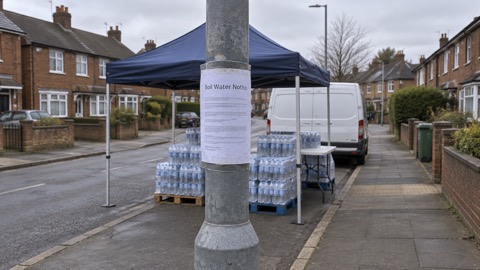 Boil Notice Checklist