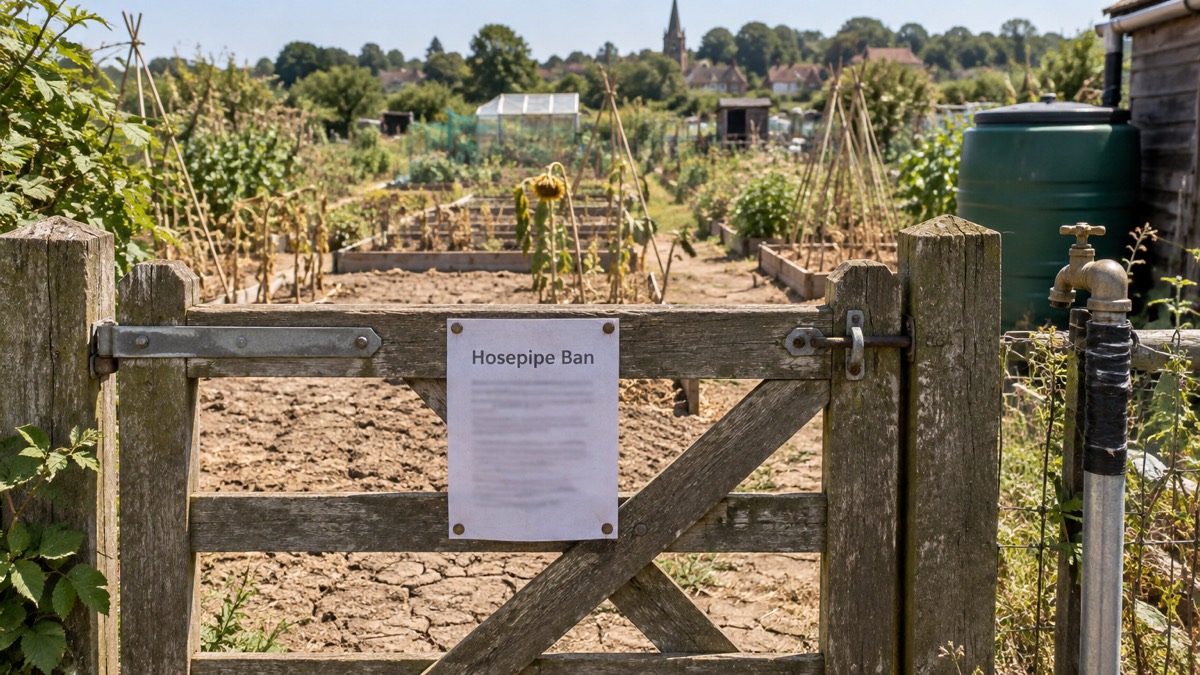
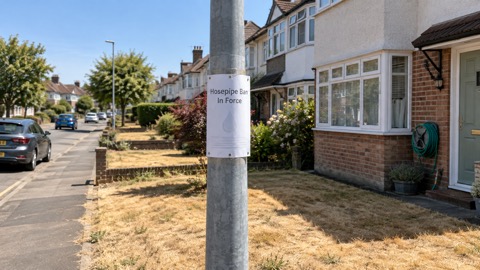
South East Water introduced hosepipe restrictions in Sussex in July because of low river levels and rainfall, the company says1. The water company states that as water levels at Ardingly Reservoir continued to fall it took further action to protect water supplies, and that from 9 October 2026 further hosepipe restrictions apply in Sussex1.
Under those further restrictions, the company says it has removed all exemptions, so customers will only be able to use a hosepipe where permitted for health, safety or welfare purposes1. South East Water adds that it has applied for a Non-Essential Use Ban (NEUB) in Sussex, which would restrict certain commercial and non-household uses of water if approved and implemented1. It also states that on 15 October the Environment Agency declared Severe Drought in parts of Sussex following prolonged dry weather and exceptionally low water levels1.
The company explains its published status scale as running from Green to Amber to Red to Black, with Black meaning hosepipe restrictions have been introduced1. It says that at Black status customers cannot use their hose but can still use a watering can and reuse water from inside, such as baths, showers and sinks, and that some exemptions apply1. South East Water gives the scale's purpose in its own words:
"Our aim is to prevent hosepipe restrictions this summer. So we're taking you behind the scenes of water supplies, showing you exactly how weather, customer demand and water levels are affecting the status."
The company says a garden hose can use up to 1,000 litres an hour, about the same as an average person uses in a week, and that on a warm day from 20 degrees upwards there is a big spike in water demand, led by hoses1. It reports that the highest daily water demand in the seven days to 27 October 2026 was 571 million litres a day on Monday 25 October, against an average daily demand for October of 550 million litres a day1. It also says it has 11 additional water tankers currently in use and has started an accelerated six-month programme of operational changes and engineering works to reduce the risk of supply interruptions1.
Why it matters for households
The restrictions apply to South East Water customers in Sussex, and the company's own account places the first restrictions in July and the further restrictions, with all exemptions removed, from 9 October 20261. Households in the company's Kent and Surrey, Hampshire and Berkshire regions are covered by the same status tool but the restrictions described here are for Sussex1. The company states that at Black status customers can still use a watering can and reuse water from baths, showers and sinks in the garden, and that some exemptions apply1. It asks customers to continue following the restrictions and using water wisely1. The Non-Essential Use Ban would affect certain commercial and non-household uses if approved and implemented; the company gives no decision date1.
What happens next
South East Water states that it will continue to take action to protect water supplies1. Its application for a Non-Essential Use Ban in Sussex remains subject to approval and implementation, and no date for a decision has been reported1. The company says its accelerated six-month programme of operational changes and engineering works is under way1.
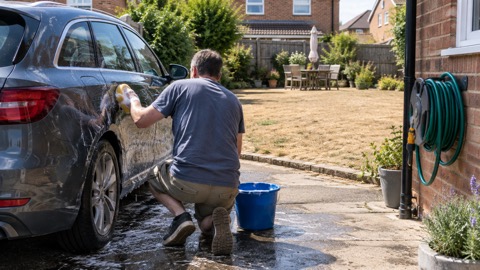
Households can check the rules in what you can and cannot do in a hosepipe ban, how temporary use bans work in hosepipe bans, and the position across England in the 2026 drought situation. Guidance on watering the garden, allotment and new lawn and on paddling pools, ponds and car washing covers the uses most often affected, and the water shortage and hosepipe ban checklist sets out household preparations.
Sources (1)
- Water latest | South East Water, southeastwater.co.uk
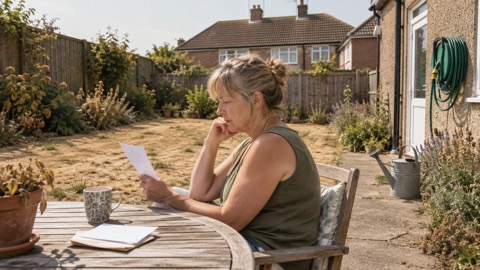 England 2026 Drought Areas
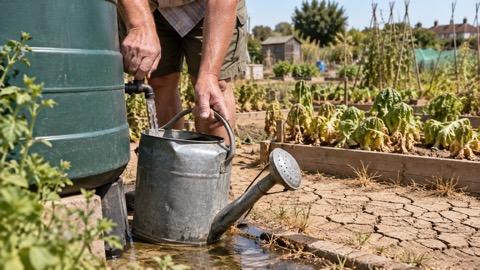 Hosepipe Bans and the Garden
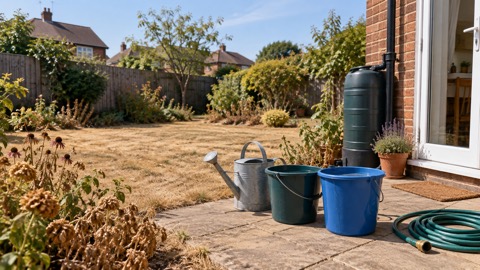 Hosepipe Ban Rules
 Pools, Ponds and Car Washing
 Household Guide to Drought





