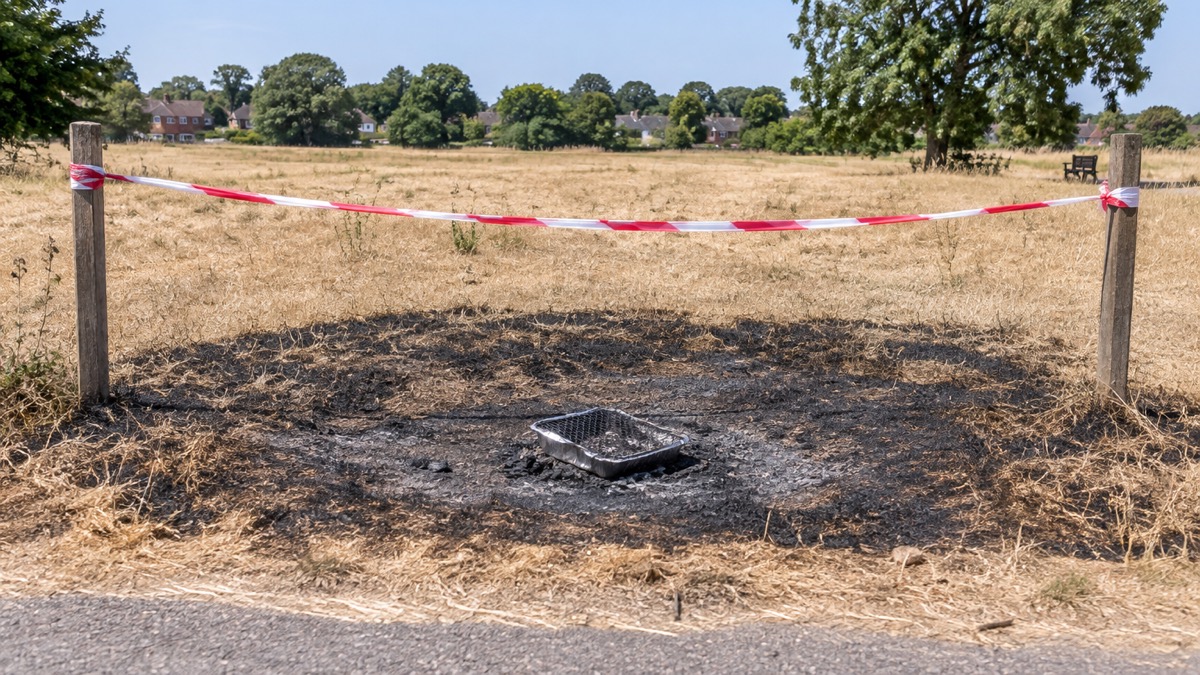
The National Fire Chiefs Council (NFCC) has set out figures for the heatwave of 18 and 19 July 2022, the hottest days of that year, during which 84 wildfires were recorded and 14 fire and rescue services declared major incidents1. The figures were published in the NFCC's research and recommendations on extreme weather events in August 2024 and restated in a position statement on 3 February 20251.
Of the 14 major incidents, nine were linked to difficulties in responding because of the increase in operational demand1. Fire control rooms in England recorded a 500% increase in 999 calls, from a daily average of just over 2,000 to almost 13,500 on 19 July 20221. Across the whole of 2022, 983 wildfires were recorded in England and Wales, against 247 in 2021 and 146 in 2020, increases of 315% and 573% respectively1. A wildfire in Wennington in East London in July 2022 destroyed approximately 18 houses2.
The NFCC said the UK is not yet adequately prepared for the effects of climate change, and that fire and rescue services lack access to longer-term forecasting and sustainable funding1. Its chair, Mark Hardingham, said:
"Fire and rescue services are on the frontline of responding to extreme weather events and we see firefighters, Control officers and other emergency service partners repeatedly going above and beyond to protect their communities. But we are seeing the risks around extreme weather increasing and, without adequate investment and further action from government, our capacity to keep communities safe and protect infrastructure is at risk".
The NFCC reports that eight of the risks in the UK Government's National Risk Register are climate change related extreme weather events predicted to become more frequent and extreme1. It cites Met Office projections that by 2070 winters may be up to 4.5°C warmer and 30% wetter than in 1990, while summers may be up to 6°C warmer and 60% drier, with regions in the south of England projected to reach 40°C1.
| Wildfire incidents responded to in England and Wales, 1 January to 19 June | Number |
|---|---|
| 2025 | 564 |
| 2024 | 69 |
| 2023 | 213 |
| 2022 | 277 |
| 2021 | 189 |
Source: National Resilience data, as of 9am on Thursday 19 June, for the period 1 January to 19 June in each year2. The NFCC said the 2025 figure is a 717% increase on the same period in 2024 and over double the number seen in the same period of 2022, which went on to be the worst year on record for wildfires2.
Why it matters for households
The NFCC says most UK wildfires are caused by human activity, some accidental and some deliberate, and it anticipates more fires in the rural urban interface, where vegetation is close to buildings including people's homes2. It says drier conditions mean fires can burn into peat and take days rather than hours to extinguish, and that prolonged responses make maintaining normal 999 coverage extremely difficult2. Its public safety advice is to avoid disposable barbecues in open countryside, parks and moorland; not to discard cigarettes, matches or glass bottles; to follow local authority guidance on fire risks and restrictions; and to report any signs of fire immediately by calling 999 and asking for the Fire and Rescue Service2. On water, it advises people not to jump into water to cool off, to supervise children actively in and near water, and not to enter the water after drinking alcohol; it cites research showing that at air temperatures of 25°C or above the risk of accidental drowning is five times higher than on days averaging 10°C2. The NFCC also says fire and rescue services do not receive protected funding for tackling wildfires, which falls under their general duties and must be resourced from core budgets2.
The heatwaves and drought household guide sets out how households can prepare, and the wildfires and grass fires guide covers risk and prevention. The Met Office thresholds explain what counts as a heatwave in the UK, and past UK droughts and heatwaves places 2022 in context.
What happens next
The NFCC's position statement, approved at Chiefs Council in November, calls on the UK Government and devolved administrations to provide longer-term forecasting and risk assessment, sustainable capital investment for fire and rescue services, integrated climate policy across government departments, a review of the Civil Contingencies Act 2004 and/or the UK Government Resilience Framework, and adaptation of the built environment that does not compromise fire safety1. No timetable for any of these measures has been reported.
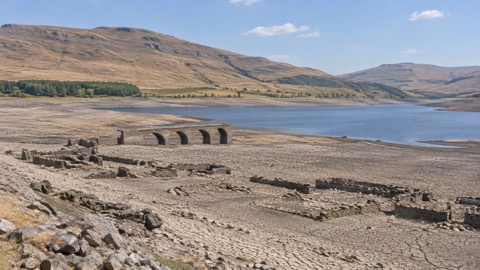 Past UK Droughts and Heatwaves
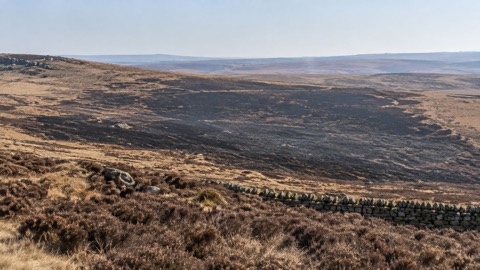 Wildfires and Grass Fires
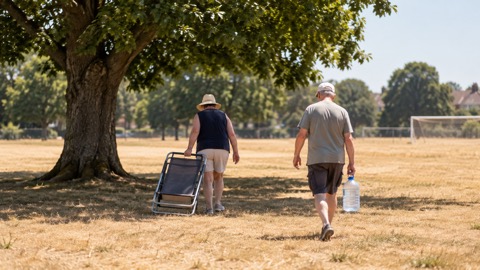 Why UK Summers Are Hotter





