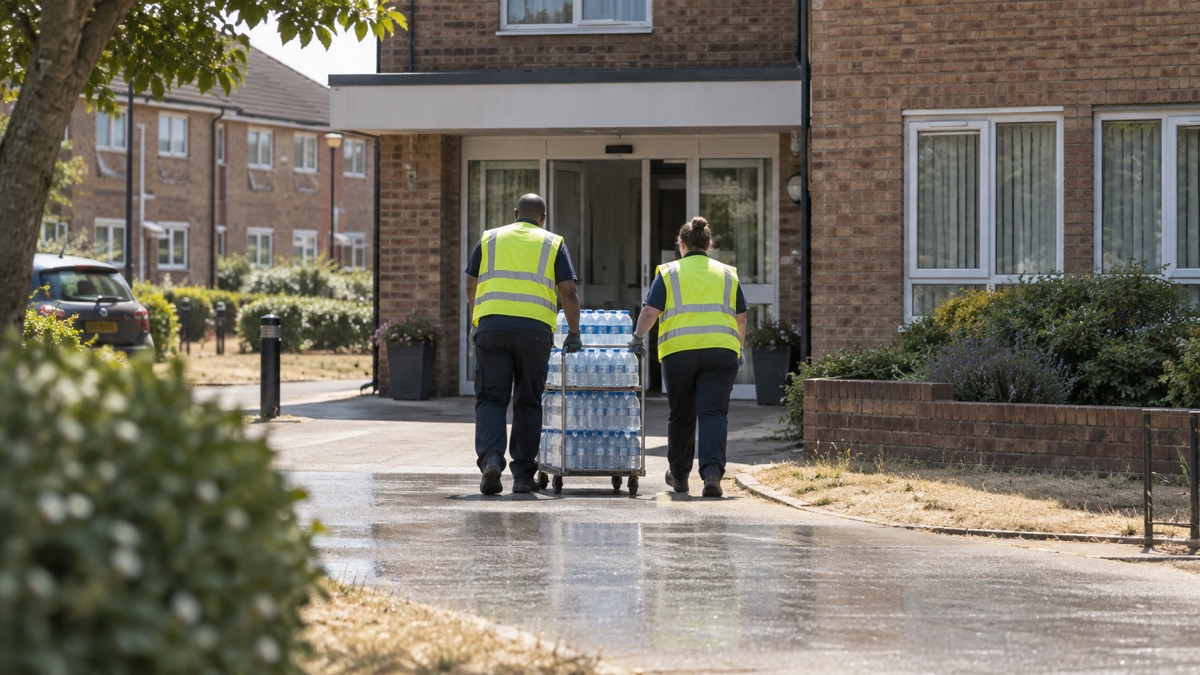
The UK Health Security Agency (UKHSA) issued a Heat Health Alert for England on 8 June 2023, as a plume of warm air brought the first sustained period of hot weather of the year1. The Met Office said the warmer air would bring temperatures up to around 30°C in some parts of England, and that the alert covers the healthcare sector in England1. The Royal Life Saving Society UK (RLSS UK) said the alert would be in place from 9am on Friday 9 June to 9am Monday 12 June, with six regions included: London, East Midlands, West Midlands, East of England, South East and South West2.
The Met Office also issued a Yellow Warning for thunderstorms covering Wales and a large area of southern and central England from 1400 to 2100 on Saturday, highlighting potential disruption to travel, the chance of power cuts and the possibility of very localised flooding from the heaviest showers1. Its deputy chief meteorologist Dan Harris said some showers were likely to be torrential and thundery, with 30-40mm falling in an hour, and some spots affected by multiple showers could see in excess of 60mm within the warning period1. Night-time temperatures were expected to stay in the mid-teens Celsius for some, and east and northeast Scotland was likely to be the main exception to the change in conditions1.
Dr Agostinho Sousa, Head of Extreme Events and Health Protection at UKHSA, said forecast temperatures would primarily impact those over the age of 65 or those with pre-existing health conditions such as respiratory and cardiovascular diseases1.
"In the coming days we are likely to experience our first sustained period of hot weather of the year so far, so it's important that everyone ensures they keep hydrated and cool while enjoying the sun."
RLSS UK issued a separate drowning warning ahead of the weekend, saying there is evidence of a link between warmer weather and increased numbers of accidental drownings, and that in 2022 46% of the 226 accidental drownings took place in June, July and August2. Its charity director Lee Heard said a number of people, including many children, had lost their lives in or near the water in recent weeks2. The charity set out its Water Safety Code: stop and think and read any signs and advice; stay together and swim at a lifeguarded venue; in an emergency call 999, asking for the Fire and Rescue Service inland and the Coastguard at the coast, and never enter the water to rescue anyone or anything; and float on your back if you fall in, or tell someone in trouble to float and try to throw them something that floats2.
Why it matters for households
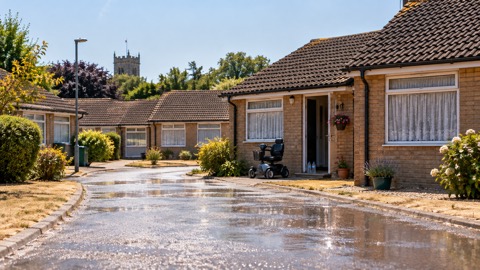
The alert applied to six English regions from 9am on Friday 9 June to 9am on Monday 12 June2. UKHSA said the forecast temperatures would primarily affect people over 65 and those with pre-existing health conditions such as respiratory and cardiovascular diseases1. Dr Sousa advised people to keep hydrated and cool, and said that if people have friends, family or neighbours who are more vulnerable to the effects of hot weather, it is important to check in on them and ensure they are aware of the forecasts and are following the necessary advice1. The Met Office warning for Saturday points to possible travel disruption, power cuts and localised flooding from the heaviest showers1. RLSS UK encouraged families to speak with their children about water safety and to learn the Water Safety Code2. The heat-health alerts guide explains the yellow, amber and red levels, and the guide to who is most at risk in hot weather sets out who the alerts single out. The UKHSA guide covers the agency's alerts and outbreak advice, and the Adverse Weather and Health Plan guide explains how services respond. Households can read how to check on older and vulnerable neighbours in the heat and how to sign up for heat-health alerts.
What happens next
The Met Office said signals for the following week indicated the risk of thundery downpours would continue at first for some, with temperatures likely to remain above average, and eastern coastal areas possibly slightly cooler with a resumption of an easterly breeze1. On 17 June, NHS England reported that UKHSA and the Met Office had extended a heat-health alert across England until 9am on Monday 19 June, with a yellow alert in place pointing to increased health risks for those over the age of 65 or with pre-existing health conditions such as respiratory and cardiovascular diseases3. NHS England said visits to the NHS website's heat exhaustion and heatstroke page rose to 109,096 in the seven days from 9 to 15 June, compared with 34,066 the previous week, and visits to the heat rash page almost doubled from 34,478 to 67,132 over the same periods3. Its deputy chief nursing officer, Duncan Burton, said heat exhaustion does not usually need emergency medical help if the person can be cooled down within 30 minutes, but if their condition does not improve, the NHS advises seeking medical attention by calling 111 or 999 in an emergency3.
 UK Health Security Agency
 Who Is at Risk in Hot Weather
 Heat-Health Alerts Explained
 Checking On Older Neighbours





