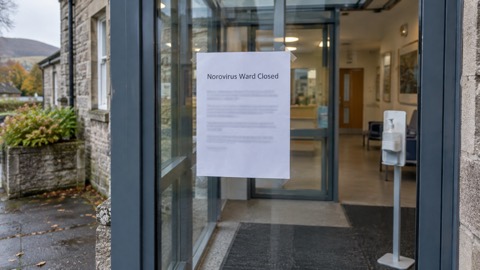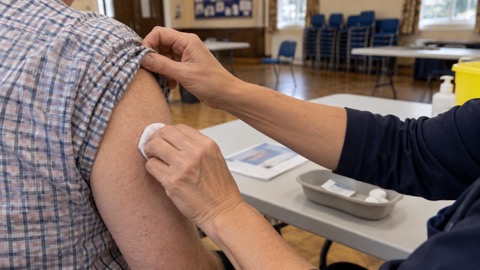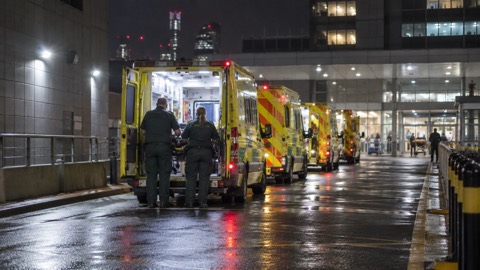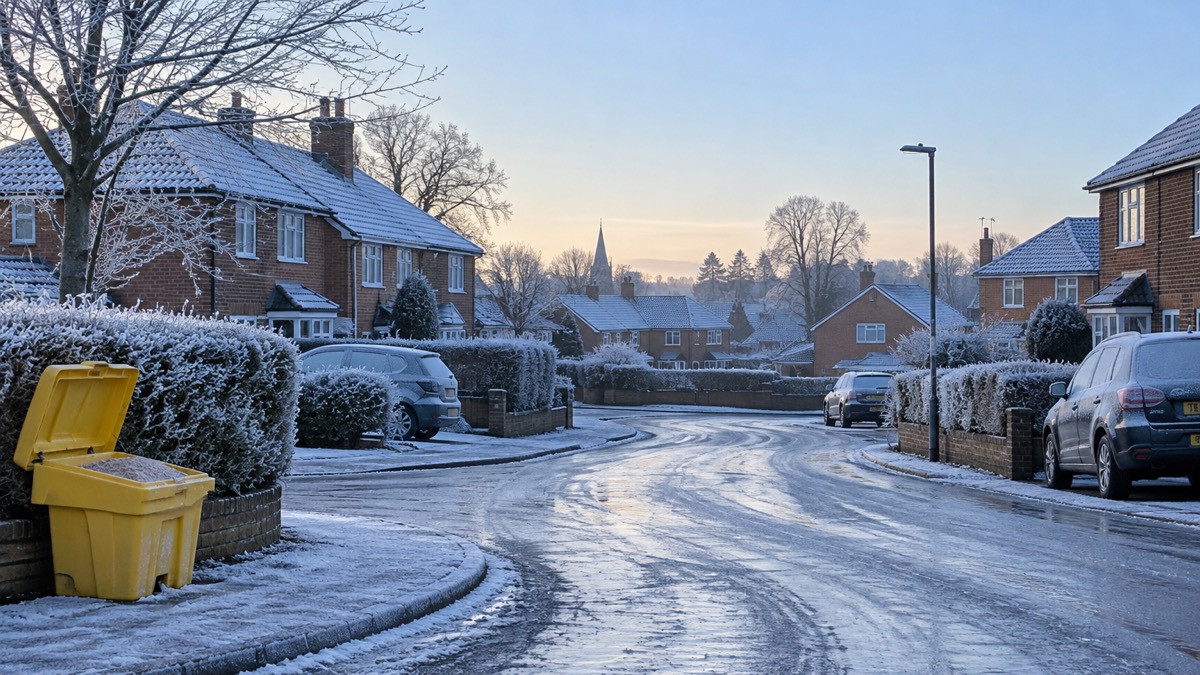
The UK Health Security Agency (UKHSA) issued the first amber Cold Weather Health Alert of the winter season for the East Midlands, West Midlands, North East, North West and Yorkshire and the Humber, according to an announcement dated 18 November 2024. A new amber alert was also issued for the East of England from 10:00 on Monday 18 November, and yellow alerts were to be in place for the South East, South West and London from 08:00 on Tuesday 19 November1.
The amber alert was in place from 10:00 on Monday 18 November, with all alerts then in place until Saturday 23 November at 18:001.
| Alert level | Areas | In place from |
|---|---|---|
| Amber | East Midlands, West Midlands, North East, North West, Yorkshire and the Humber | 10:00 Monday 18 November |
| Amber | East of England | 10:00 Monday 18 November |
| Yellow | South East, South West, London | 08:00 Tuesday 19 November |
All alerts were in place until Saturday 23 November at 18:001.
UKHSA said expected low temperatures were likely to result in increased use of health care services by vulnerable people and an increase in risk to health for individuals aged 65 years and over, those with pre-existing health conditions (including respiratory and cardiovascular diseases) and some other vulnerable groups, such as those sleeping rough1.
Under the Cold-Health Alert system developed by UKHSA and the Met Office, an amber alert means that cold weather impacts are likely to be felt across the whole health service for an extended period of time, with potential for the whole population to be at risk and where other sectors may also start to observe impacts, indicating a coordinated response is required. Yellow alerts may be issued during periods of cold which are unlikely to impact most people, but which could pose an increased risk to those who are particularly vulnerable, such as the elderly or those with significant health conditions. Red alerts indicate significant risk to life for even the healthy population1.
Dr Agostinho Sousa, Head of Extreme Events and Health Protection at UKHSA, said:
"This is the first amber Cold Weather Health Alert of the season, but we can expect more as we approach winter, and it is vital to check in on vulnerable friends, family and neighbours to ensure they are well prepared for the onset of cold weather. Particularly if they are elderly or otherwise at increased risk."
UKHSA said it had published guidance for professionals protecting vulnerable people and for the public on staying safe during periods of cold weather1.
Why it matters for households
The alerts cover England only. UKHSA said the Cold-Health Alerts focus on health impacts of adverse weather for vulnerable groups in England, helping health and social services prepare, while the National Severe Weather Warning Service (NSWWS) provides broader warnings on severe weather risks across the UK1. UKHSA said the Met Office may issue National Severe Weather Warnings, for example for snow and ice, with short notice, and directed people to the Met Office website to see the warnings currently in place1.
UKHSA said those at increased risk include people aged 65 and over, those with pre-existing health conditions including respiratory and cardiovascular diseases, and some other vulnerable groups such as those sleeping rough. It said these people could be more at risk of heart attacks, stroke and chest infections as a result of cold temperatures1.
The UK Health Security Agency publishes the alerts, and the yellow, amber and red cold-health alert levels and what the UKHSA alert levels mean are set out in more detail. Staying well in cold weather covers health risks and who is most at risk, and Met Office weather warnings explains the separate warning service.
What happens next
The page carrying the 18 November announcement was updated several times afterwards. On 2 January 2025, UKHSA issued an amber Cold-Health Alert for all regions of England from midday on Thursday 2 January until midday on Wednesday 8 January; all regions had previously been under a yellow alert1.
On 6 January 2025, UKHSA said the amber alert had been extended until midday on Sunday 12 January, having previously been in place until midday on Wednesday 8 January. On 9 January 2025, it said the amber alert had been extended until 9am on Tuesday 14 January1.
Dr Sousa said on 6 January:
"We are extending the duration of our Cold-Health Alert, since the Met Office are forecasting that the low temperatures we are seeing will continue further into this week, with snow and icy conditions likely to persist."
Official warnings and news are listed in the guide to where to get official warnings and news in an emergency.
 UK Health Security Agency
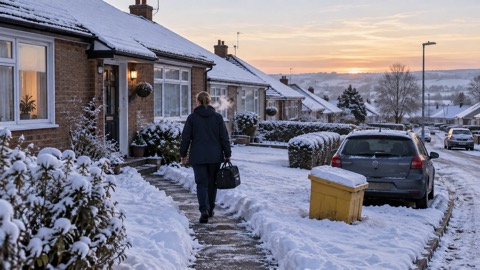 Cold-Health Alerts Explained
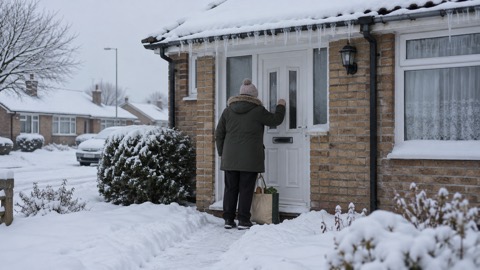 Cold-Health Alerts
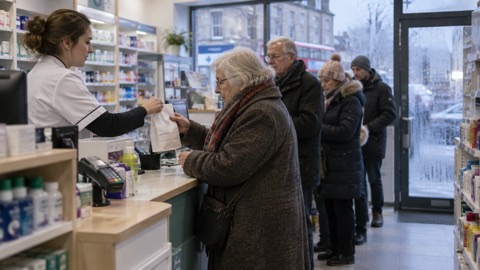 Staying Well in Cold Weather
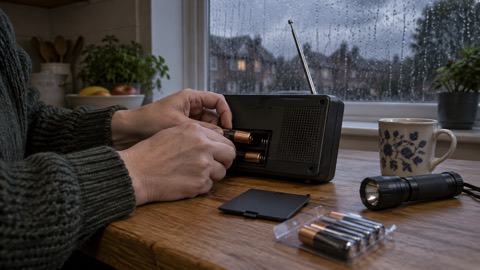 Official Warnings and News