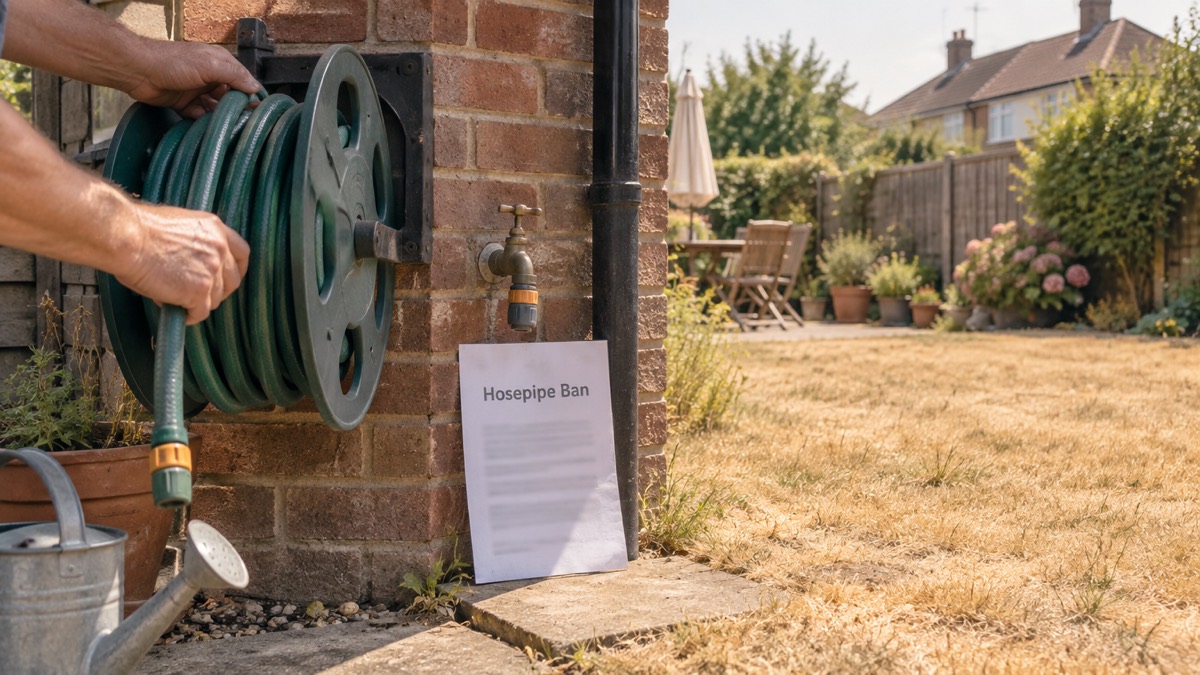
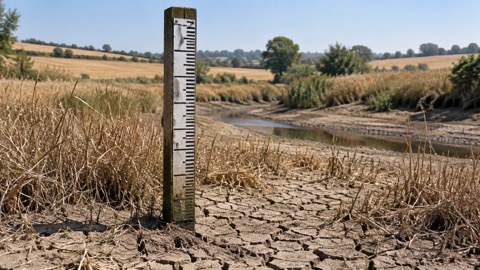
Five regions of England are officially in drought and hosepipe bans are in place, the water efficiency body Waterwise said on 13 August 2025, after the National Drought Group classified the situation as a "nationally significant incident" and called for urgent action across all sectors1.
The regions in drought are Yorkshire, Cumbria and Lancashire, Greater Manchester Merseyside and Cheshire, the East Midlands and the West Midlands, with six more areas in prolonged dry weather1. Waterwise said the classification follows the driest six months to July since 1976, repeated heatwaves and below-average rainfall1. Reservoir levels across England have dropped to just under 68% on average, against a usual 80% for the time of year, and river flows in some areas are at record lows for July1. Without significant rainfall, drought status could spread across most of the country by September, Waterwise said1.
"The National Drought Group has now classified the current situation as a “nationally significant incident” and is urging urgent action across all sectors."
The Environment Agency estimates that one hour of hosepipe use consumes 1,000 litres of water, equivalent to eight full baths1. Waterwise reported data from Yorkshire Water showing domestic demand has fallen by 10% since the hosepipe ban began there, saving around 80 million litres a day1. The Environment Agency has said that unless action is taken, there could be a daily shortfall of 6 billion litres of water by 2055, five billion for public use and one billion for sectors such as energy and food production1. Waterwise also said dry weather and heatwaves increase the risk of wildfires and reduce oxygen in rivers, which it said can be devastating for fish and other wildlife1.
| Area | Status |
|---|---|
| Yorkshire | Officially in drought |
| Cumbria and Lancashire | Officially in drought |
| Greater Manchester, Merseyside and Cheshire | Officially in drought |
| East Midlands | Officially in drought |
| West Midlands | Officially in drought |
| Six further areas | Prolonged dry weather |
Why it matters for households
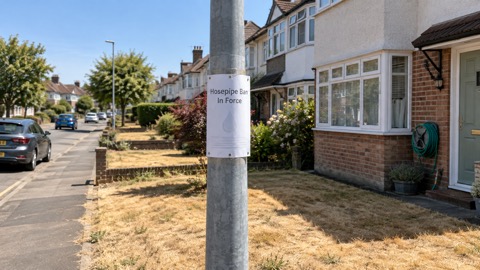
Households in the five drought regions are subject to hosepipe bans, which Waterwise describes as Temporary Use Bans (TUBs)1. The Environment Agency is calling on the public to use less water at home to ensure there is enough for the local environment this summer1. Waterwise's own guidance includes letting lawns go golden, avoiding hosepipes and sprinklers in favour of a watering can, watering at cooler times of day, using mulch, installing a water butt, checking taps for leaks, fitting aerated showerheads, shortening showers, running dishwashers and washing machines only when full, and checking for a leaky loo1. It said a dripping tap can waste over 12,000 litres a year and that one minute less in the shower saves around 12 litres1. Emma Hardy, MP, Minister for Water and Floods covering England, has said water companies should follow their drought plans early and not wait for rain that may never come; those plans include finding and fixing leaks, moving water around networks, helping everyone use less water and introducing hosepipe bans where needed1. Waterwise has launched a campaign, Come Rain or Shine: A Water-Smart Summer, with free downloadable resources and activities for children1. The rules on what a ban permits are set out in the guide to what you can and cannot do in a hosepipe ban, with separate guidance on watering the garden, allotment and new lawn and on how temporary use bans work. Households preparing for restrictions can use the water shortage and hosepipe ban checklist, and the background to the trend is covered in why UK summers are getting hotter and drier and in the guide to how drought is declared in England and what each stage means.
What happens next
Waterwise said that without significant rainfall drought status could spread across most of the country by September1. It also pointed readers to a postcode tool run by the Consumer Council for Water to check the water status in their area1. No further dates for decisions on restrictions have been reported.
Sources (1)
- Protect our water - drought and hosepipe bans continue | Waterwise, waterwise.org.uk
 Why UK Summers Are Hotter
 Hosepipe Ban Rules
 Hosepipe Bans and the Garden
 Drought Stages in England
 Household Guide to Drought





