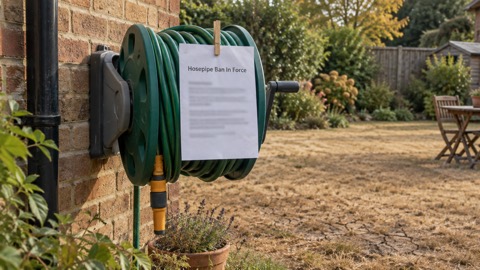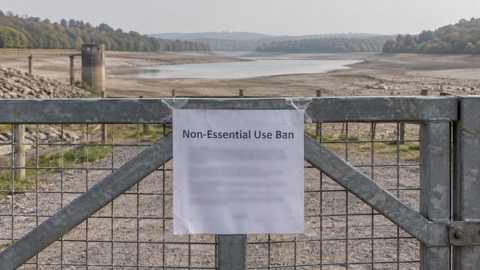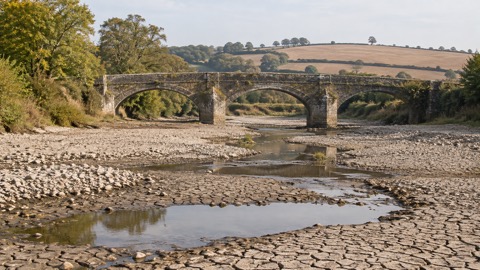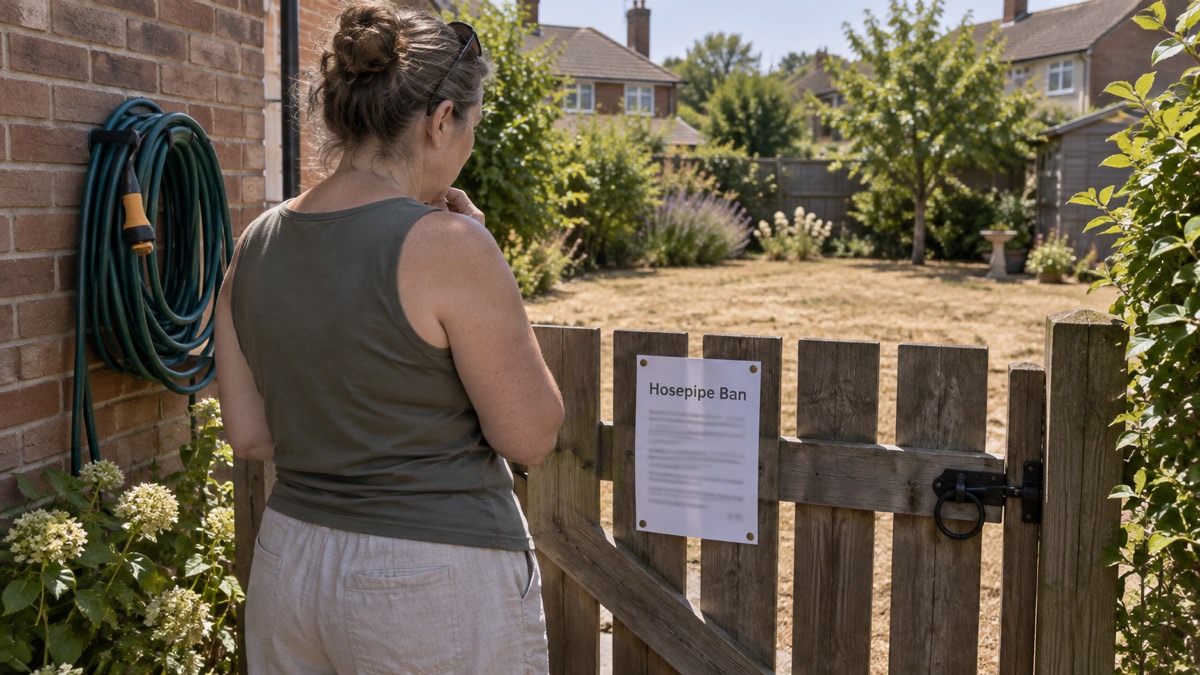
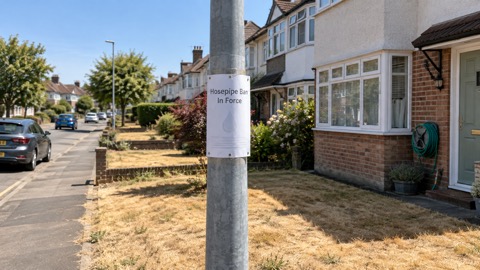
Cambridge Water announced a temporary hosepipe ban, also called a temporary use ban, across its supply region on 9 July 2026. The restrictions are enforceable from 1am on Friday 17 July 20261. The company says the ban applies to any household billed by Cambridge Water for its water services, and that customers in its region supplied by Independent Water Networks Ltd, ESP Utilities Group or Leep Networks (Water) Ltd are also covered and will be contacted directly by those companies1.
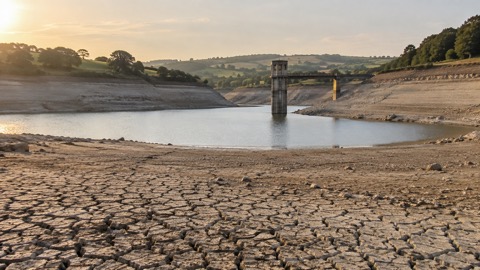
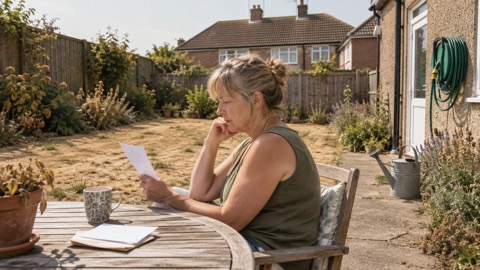
The company attributes the restriction to below-average rainfall since March 2026, an April that was one of the driest on record and hotter than normal, and a May heatwave that set the record for the hottest May temperature ever recorded1. It reports a 30% increase in water use, equivalent to an extra 300,000 baths every day, for activities including gardening, car washing and pool filling, and says demand since April has been at the highest ever levels for a sustained period1. Cambridge Water states that on hot days demand outstrips the maximum volume it can abstract, treat and distribute, and that "some customers could experience poor pressure or loss of supplies"1.
"This isn't a decision we have taken lightly and is the first time in over 30 years we've had to do so."
The company's drought FAQ gives a different account of the last restriction, stating that the last temporary use ban before this one was during the drought of 1976, while its main notice says the current ban is the first in over 30 years1. The two statements have not been reconciled.
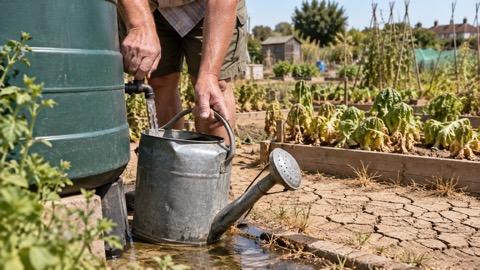
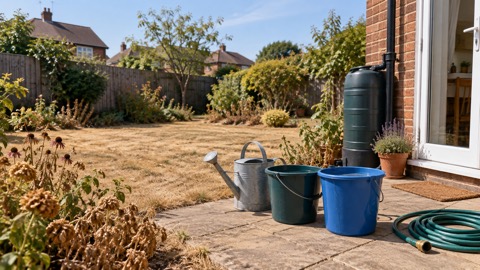
The prohibited activities, as listed by Cambridge Water, are set out below. The company says these can still be carried out using water from a bucket or watering can, or water that is not from the mains supply, such as grey water or rainwater from a water butt1.
| Activity | Position under the restriction |
|---|---|
| Watering a garden with a hosepipe or sprinkler | Prohibited2 |
| Watering plants with a hosepipe on domestic or other non-commercial premises | Prohibited2 |
| Filling or maintaining a domestic swimming pool, paddling pool, hot tub or cold-water plunge pool | Prohibited2 |
| Filling or maintaining a domestic pond or ornamental fountain | Prohibited2 |
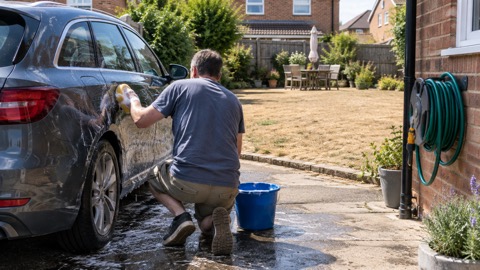
| Cleaning private vehicles or boats with a hosepipe | Prohibited2 |
| Cleaning walls, windows, paths, patios or other artificial outdoor surfaces with a hosepipe | Prohibited2 |
| Using a hosepipe for domestic recreational use | Prohibited2 |
| Newly laid turf or grass seed | Hosepipe permitted for the first 28 days2 |
| Trees, whips, saplings and hedging planted in the last three years | Hosepipe permitted where they cannot be hand-watered or watered with non-potable water2 |
| Drip-fed irrigation systems | Permitted; other systems cannot be used when connected to mains water2 |
| Allotments growing food that is sold | Hosepipe permitted, classed as crops2 |
Cambridge Water states that Blue Badge holders, customers on its Priority Services Register and customers on its WaterSure tariff for medical reasons are exempt from the restrictions2. It says it is writing to affected Priority Services customers, and that anyone who believes they are registered but has not received a letter within ten days should call 0800 389 10 112. The company also states that it will not reduce customer bills or pay compensation as a result of the restrictions, because a temporary use ban is designated as an Ordinary Drought Order and compensation applies only under an Emergency Drought Order2.
Why it matters for households
The restriction covers domestic use of mains water for the listed outdoor activities across the Cambridge Water region from 9 July 2026, with enforcement from 1am on 17 July 20261. Households on meters continue to pay for the water they use, and the company says any saving will show on metered bills2. Cambridge Water states that the ban applies to all customers whether metered or not2. It advises that people should not put themselves at risk unnecessarily, and that anyone who may struggle to use a watering can can apply for an exemption2. The company also sets out ways to cool down using small amounts of water, including dampening a cloth for the neck or head and dipping hands or feet briefly in water, and suggests covering a paddling pool overnight and using the water on the garden afterwards2. Its drought FAQ states that each person in its area uses around 130 litres of water a day, and that hot, dry weather can increase demand by over 25%3. The hosepipe ban rules guide sets out what can and cannot be done, and the water shortage and hosepipe ban checklist covers household preparation. The current situation page tracks where restrictions apply in England.
What happens next
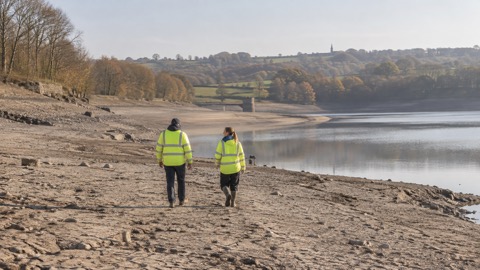
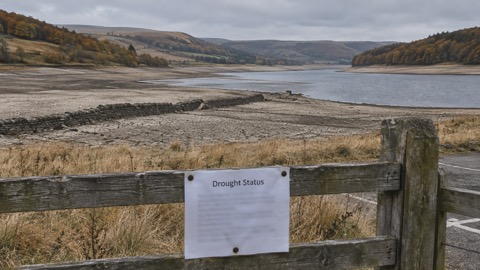
Cambridge Water states that the temporary use ban remains in place and that it continues to monitor the situation to remove the restrictions as soon as it is safe to do so3. It says a drought would be expected to have ended when all key indicators have returned to long-term average levels, and that it would work with the Environment Agency to decide when a drought is over3. The company also states that if a drought worsens or becomes extended, further restrictions on non-essential water use in other areas may need to be considered3. No end date for the current restriction has been reported.
Sources (3)
- Temporary hosepipe ban, cambridge-water.co.uk
- Temporary hosepipe ban | FAQs, cambridge-water.co.uk
- Drought FAQs | Cambridge Water, cambridge-water.co.uk
 Hosepipe Bans and the Garden
 England 2026 Drought Areas
 Hosepipe Ban Rules
 Pools, Ponds and Car Washing
 Household Guide to Drought