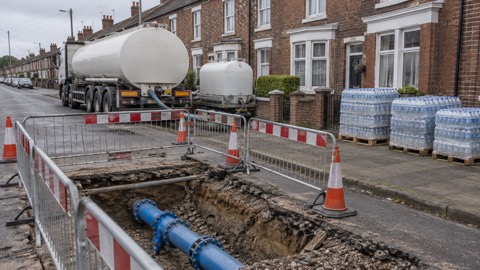
The Consumer Council for Water (CCW) and Ofwat published joint research on 16 November 2023 examining water supply interruptions that impacted South East Water customers in June 20231. The work looked at customers' experiences of the incident and how they felt the company handled it, and is the first in a series looking at incident responses1.
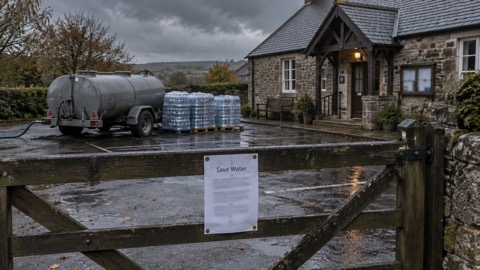
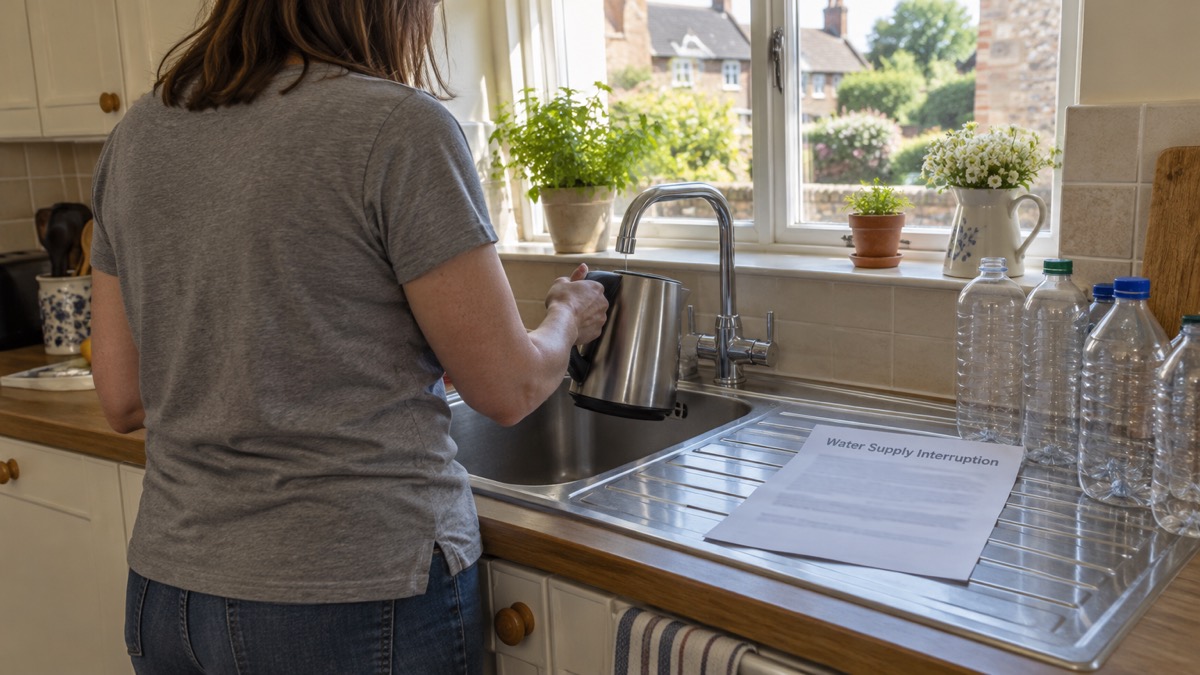
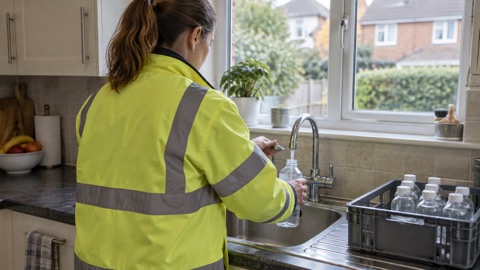
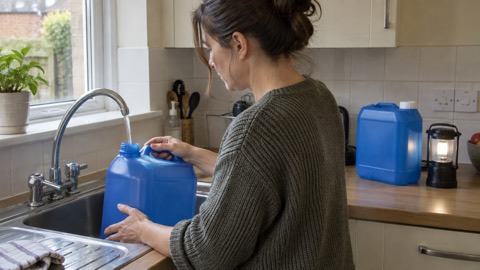
Almost all participants were disappointed by South East Water's management of the June 2023 interruption, according to the findings1. CCW and Ofwat report that participants believed the poor handling made the experience worse, leading to frustration and, in some cases, anger, and a loss of trust in the company1. Customers felt the company should have been more proactive in telling them about the supply problems, and more open and honest on issues such as timescales1. Most participants did not feel supported throughout the incident; they said the alternative water provided was not sufficient for their needs, deliveries felt sporadic and unpredictable, and the locations of water stations were not well publicised1.
Experiences among vulnerable customers, including those who reported being on the Priority Services Register (PSR), were mixed1. Some received water deliveries from the company, while others who believed they had registered for extra help did not get water delivered1. Very few participants were contacted directly with an offer of support, only a few had received compensation, and numerous participants had been told by the company that they were not entitled to compensation1.
"Almost all participants were disappointed by South East Water’s management of the June 2023 water supply interruption."
The report sets out lessons for water companies, including that they should inform affected customers as soon as possible, use all available communication methods including digital channels and direct contact, and make it easy for customers to reach them through their preferred channel1. It says communication should tell people which customers will have water delivered, and that customers in vulnerable circumstances who may not be on the PSR should be able to request water easily1. Companies should ensure PSR customers know what services they will receive in an incident, and should actively promote information about the Guaranteed Standards Scheme (GSS), including the compensation process and entitlements, paying compensation within a reasonable timescale where it applies1. Post-incident communications should raise awareness of the PSR and the practical assistance available1.
Why it matters for households
The findings concern households in South East Water's supply area who lost water in June 2023, and set out what CCW and Ofwat expect of companies in future incidents. The research records that some customers who believed they were registered for extra help did not receive delivered water, and that several were told they were not entitled to compensation1. CCW states that it will work with South East Water to help ensure the experiences of its customers are better in any future incidents1. The regulators' stated expectations cover how companies contact customers during an incident, how alternative water is arranged and publicised, and how PSR and GSS entitlements are explained1. Households can check which bodies oversee supplies through the guide to who checks drinking supplies, and how companies are expected to act in the guide to how water companies respond to a major incident. The site also covers how your water company will contact you in an incident, bottled supplies, tankers and bowsers, a supply interruption checklist, and how to check a water company caller is genuine.
What happens next
CCW says it will use the findings of this and future research to share lessons learned and highlight best practice with the industry, with the expectation that companies will implement improvements and adopt changes where needed1. It says it will work with South East Water to help ensure the experiences of their customers are better in any future incidents1. The research is the first in a series looking at incident responses1. No further publication dates in that series have been reported1.
 Who Checks Drinking Water
 Water Company Incident Response
 Supply Interruption Checklist