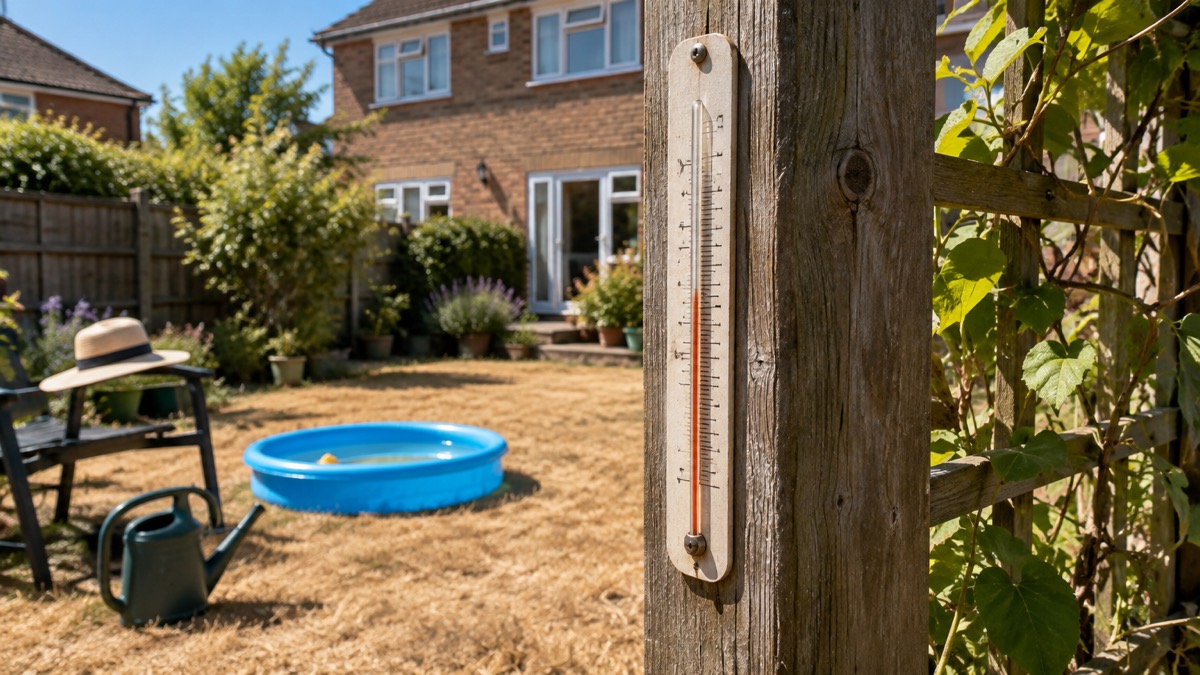
BBC News reported on 3 June 2026, in a report updated on 10 June 2026, that more heatwaves are likely as a warmer-than-normal summer is forecast1. The forecast was carried in BBC News weather coverage and is cited in NHS guidance on heat exhaustion and heatstroke published by Berkshire Healthcare NHS Foundation Trust1.
The trust's guidance sets out how heat exhaustion and heatstroke differ, and who is at higher risk in hot weather. It states that heat exhaustion is when a person has a temperature over 38°C and loses too much water, with symptoms including being very thirsty, dizziness, headache, muscle cramps, loss of appetite and feeling sick1. It adds that having a temperature over 40°C and being unable to cool down is when heat exhaustion becomes heatstroke, and that a key sign of that development is that the person stops sweating1. Heatstroke is described as a medical emergency that can lead to brain damage, organ failure and even death1.
The trust lists groups at higher risk as babies and young children, "due to their small body and because their sweat glands are less developed"; older adults, as natural cooling mechanisms weaken with age; people taking medications that affect body temperature, sweating, concentration, urine production and blood flow; anyone with a cardiac or respiratory condition; and vulnerable people, such as those with a learning disability, dementia, addiction or serious mental health problems, who may not be alert to the risks1. It also states that having a physical or outdoors job, or choosing to do demanding exercise or activities such as DIY, can be dangerous in very hot conditions even for people outside those groups1.
"Within the Respiratory Service, we've seen extreme heat cause increased wheezing and higher risk of infections, therefore leading to requiring antibiotics and, in some cases, a stay in hospital."
The trust's clinicians advise looking out for weather alerts from trustworthy sources such as the Met Office, drinking enough water, avoiding drinks that increase fluid loss such as alcohol, coffee and sugary drinks, and eating lighter meals1. They advise staying out of direct sunlight, particularly from 11am to 3pm, especially for people taking medications that react to UV radiation, such as some antibiotics, ibuprofen, antihistamines and drugs prescribed for cardiovascular issues such as statins1. They also advise wearing loose fitting clothing and a hat outdoors, closing windows and curtains or blinds in south-facing rooms when it is hotter outside than indoors, exercising during cooler parts of the day, applying suncream, and using ice packs on the groin, armpits and neck to cool down1. People with a respiratory condition are advised to keep their blue reliever inhaler, if prescribed, close to hand and to alert others when they feel their condition change, as it can decline quickly1.
On medication, the trust states: "If you think your prescribed medication might increase your risk of overheating, please speak to your GP or a pharmacist for advice. Do not stop taking your prescribed medication."1 It advises calling 999 if someone is suspected of having heatstroke, and contacting 111 for advice that is urgent but not an emergency1. While waiting for assistance, it advises putting someone who has lost consciousness in the recovery position and continuing efforts to cool them down1.
Why it matters for households
The forecast covers the summer period reported on 3 June 2026 and updated on 10 June 20261. Households with babies and young children, older adults, people with heart or breathing conditions, and people taking medication that affects body temperature are among those the trust identifies as at higher risk1. The trust advises that symptoms of heat exhaustion which do not improve despite efforts to rehydrate and cool down for 30 minutes are a sign of heatstroke, and that 999 should be called in that case1. It advises contacting 111 where advice is needed quickly but the situation is not an emergency1.
What happens next
No further forecast dates or warning schedules are given in the report cited1. The trust advises households to look out for weather alerts from trustworthy sources such as the Met Office so that they can be prepared1. Further detail on household preparation is set out in the guide to heatwaves and drought, the hot weather preparation checklist and the baby and child hot weather checklist, with background on why UK summers are getting hotter and drier.
Sources (1)
- Heat exhaustion and heatstroke unpacked | Berkshire Healthcare NHS Foundation Trust, berkshirehealthcare.nhs.uk
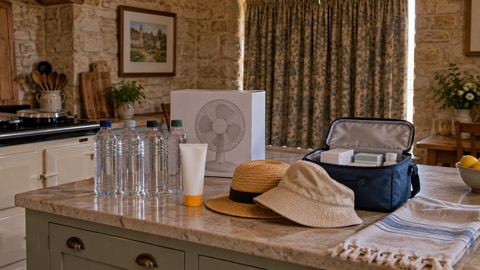 Hot Weather Preparation
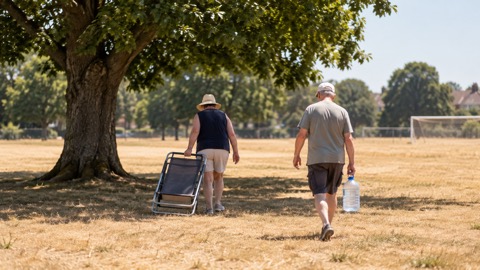 Why UK Summers Are Hotter
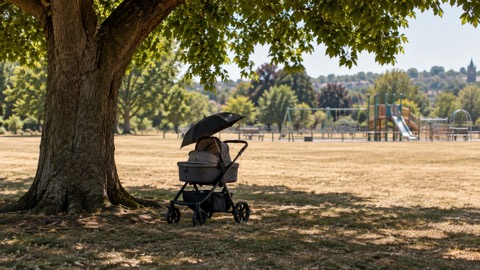 Baby and Child Hot Weather





