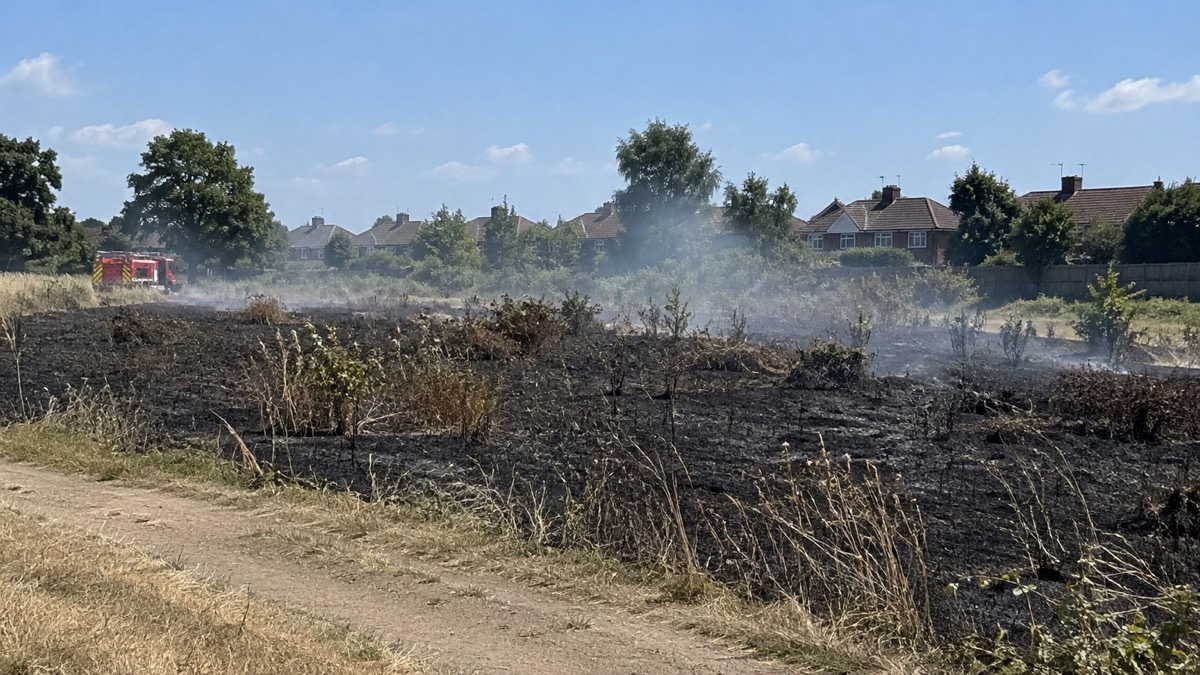
The UK Health Security Agency and the Centre for Climate and Health Security have published a heat summary of Chapter 10 of the Health Effects of Climate Change report, dated 19 December 2024, which cites the summer 2022 heatwave as evidence of an unprecedented number of wildfires in the UK, particularly in urban areas like London1. The National Fire Chiefs Council (NFCC) has separately described wildfires crossing into the rural urban interface "such as those we saw in London and many other parts of the country in the summer 2022"2.
The guidance sets out how fire risk is expected to change. It states that hotter and drier summers, projected as part of climate change, create ideal conditions for wildfires, and that a 2°C increase in global temperatures could double the days in the UK with very high fire danger and extend the wildfire season into late summer and autumn1. The likelihood of larger, more severe wildfires is expected to grow with climate change, including in rural and urban areas that are not traditionally prone to such events1.
On health, the guidance states that wildfires pose multiple health risks, including injuries, respiratory and cardiovascular effects from smoke exposure, and mental health issues, and that smoke can degrade air quality significantly, leading to increased air pollution-related mortality1. Wildfires may coincide with other extreme weather events like heatwaves and droughts, creating complex health challenges, and these events may increase demands upon health and care services1.
The NFCC's April 2025 statement gives figures on incident numbers. Fire and Rescue Services had responded to 250 wildfire incidents so far in 2025, recorded on the National Resilience reporting tool, compared with only 13 recorded up to 1 April in 2024, a wet year whose conditions led to an accumulation of vegetation that can provide more fuel for fires2. The NFCC states that most wildfires in the UK are caused by human activity, including leisure activities and deliberate acts, that wildfires are starting earlier in the season and typically lasting longer, and that they can now occur almost anywhere in the country2.
"Wildfires have a devastating impact on communities, wildlife, and the environment. With the current conditions, we are urging the public to take extra precautions to reduce the risk of fires starting."
Why it matters for households
The guidance states that climate adaptation strategies should consider how to help communities prepare for, respond to and recover from wildfires, including compound impacts from simultaneous extreme weather events and improving public awareness of the risks1. The NFCC advises the public to avoid using disposable barbecues in open countryside, parks and moorland areas; not to discard cigarettes, matches or glass bottles, as they can ignite dry vegetation; and to follow local authority guidance on fire risks and restrictions2. It asks anyone who notices suspicious behaviour or sees someone intentionally starting a fire to contact the Police immediately or report information anonymously to Crimestoppers on 0800 555 111, and to report any signs of fire immediately by calling 999 and asking for the Fire and Rescue Service2. The NFCC also notes that the permitted burn season was still in force in England, Scotland and Northern Ireland at the time of its statement, so care is needed with prescribed burning2.
What happens next
No further dated steps are set out in the published guidance. The heat summary forms part of the Heat Effects of Climate Change report collection, and the full Chapter 10 report is published as a PDF alongside it1. Households can read more on wildfires and grass fires: risk and prevention, on past UK droughts and heatwaves including 2022, and on why UK summers are getting hotter and drier.
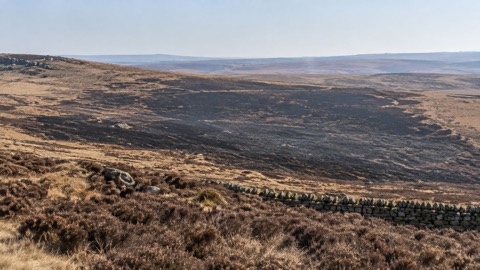 Wildfires and Grass Fires
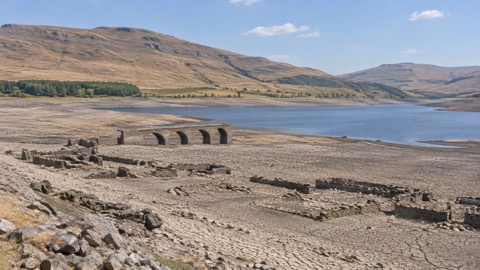 Past UK Droughts and Heatwaves
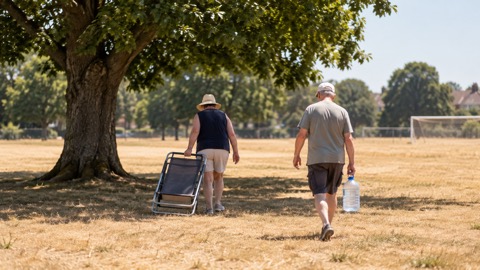 Why UK Summers Are Hotter





