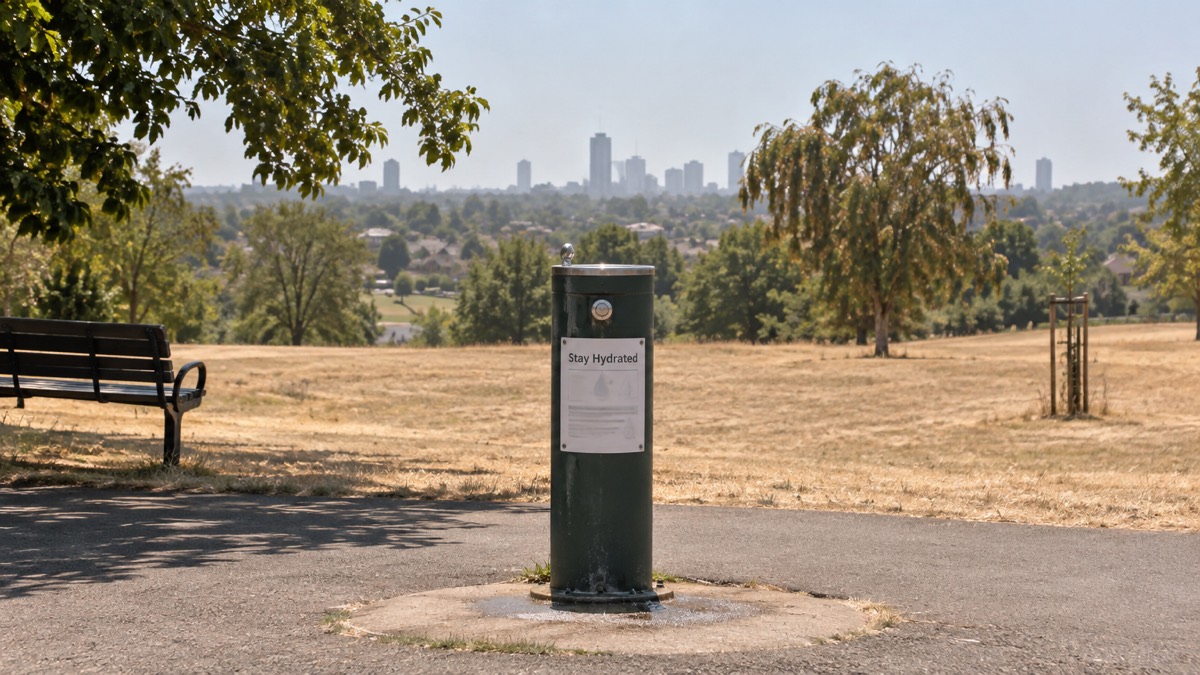
The UK Health Security Agency (UKHSA) published guidance on staying safe in extreme heat on 14 July 2022, stating that the country was at that time experiencing an extended period of extreme heat1. The agency said very high temperatures can have significant health consequences for some people and can lead to increased illness and deaths in England1.
UKHSA said it issues heat alerts when necessary throughout June to September1. It reported that in the summer of 2021 there were only eight days of weather that required a level 3 heat alert, and that over this period there were 915 excess deaths1. The agency said that although this was a very short period, there were real health implications for many people, and that many of these deaths and health issues can be avoided1.
"We are currently experiencing an extended period of extreme heat."
The agency listed factors that increase an individual's risk during a heatwave1:
| Factor | Groups named by UKHSA |
|---|---|
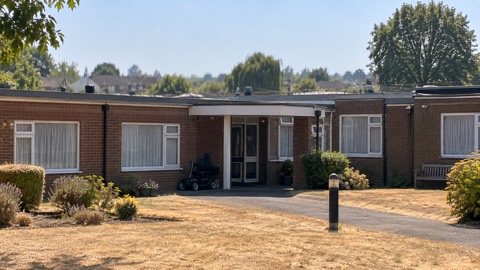
| Older age | People over 75, those living alone and socially isolated, and those living in a care home |
| Chronic and severe illness | Heart or lung conditions, diabetes, renal insufficiency, Parkinson's disease, severe mental illness |
| Inability to adapt behaviour to keep cool | Babies and the very young, people with a disability, people who are bed bound, people with Alzheimer's disease |
| Environmental factors and overexposure | Living in a top floor flat, being homeless, work or activities in hot places or outdoors involving high physical exertion |
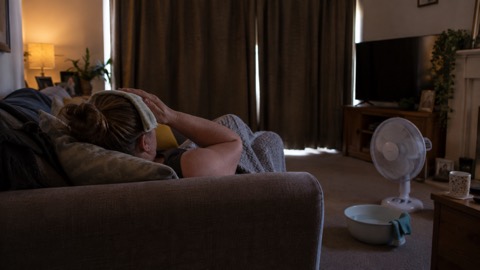
On heat illness, UKHSA said heat exhaustion is not usually serious if a person can cool down within 30 minutes, but that if it turns into heatstroke it needs to be treated as an emergency1. Signs of heat exhaustion listed by the agency include a headache, dizziness and confusion, loss of appetite and feeling sick, excessive sweating and pale clammy skin, cramps in the arms, legs and stomach, fast breathing or pulse, a high temperature of 38C or above, and being very thirsty1. It said the symptoms are often the same in adults and children, although children may become floppy and sleepy1. The agency advises calling 999 if you or someone you are with is showing any of the signs of heatstroke, which it lists as feeling unwell after 30 minutes of resting in a cool place and drinking plenty of water, not sweating even while feeling too hot, a high temperature of 40C or above, fast breathing or shortness of breath, feeling confused, a fit (seizure), loss of consciousness, and not being responsive1.
Why it matters for households
The guidance applies to households across England during the period of extreme heat described by UKHSA1. The agency advises people to look out for those who may struggle to keep themselves cool and hydrated, naming older people, those with underlying conditions and those who live alone as particularly at risk1. Its other precautions include staying cool indoors by closing curtains on rooms that face the sun, drinking plenty of fluids and avoiding excess alcohol, never leaving anyone in a closed, parked vehicle, especially infants, young children or animals, and checking that fridges, freezers and fans are working properly1. It also advises keeping out of the sun between 11am and 3pm when UV rays are strongest, walking in the shade, applying sunscreen and wearing a wide-brimmed hat if going out in the heat, avoiding physical exertion in the hottest parts of the day, taking water when travelling, following local safety advice when going into the water to cool down, and checking that medicines can be stored according to the instructions on the packaging1. For someone showing signs of heat exhaustion, the agency advises moving them to a cool place, getting them to lie down and raise their feet slightly, getting them to drink plenty of water, cooling their skin with cool water and a fan or cold packs around the armpits or neck, and staying with them until they are better1. Further detail on who is most at risk in hot weather and on heat exhaustion and heatstroke is set out in the site's guides, alongside the heatwaves and drought hub and the UKHSA guide.
What happens next
UKHSA said it issues heat alerts when necessary between June and September, with further information on what each level means available from the Met Office1. No further dates were given in the guidance.
Sources (1)
- Staying safe in extreme heat, UK Health Security Agency, ukhsa.blog.gov.uk
 UK Health Security Agency
 Who Is at Risk in Hot Weather
 Heat Exhaustion and Heatstroke





