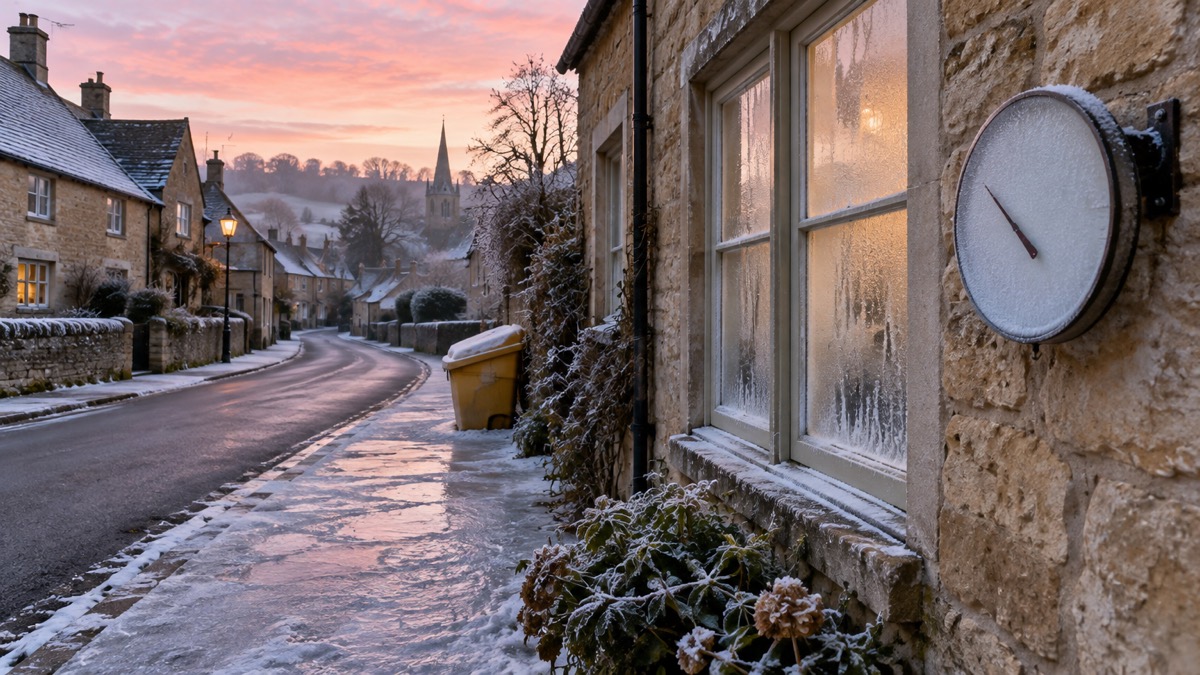
The UK Health Security Agency (UKHSA) issued amber cold health alerts for England as colder weather set in, the Met Office reported on 31 December 2025, with the alerts running until 6 January1. The Met Office said high pressure to the west and low pressure to the east would bring a northerly airflow from New Year's Day, allowing Arctic air to push south1.
The alert picture changed over the following days. On 30 December, the Met Office reported an amber alert for the northeast and northwest of England until 5 January, with all other regions under a yellow alert for that period2. The North West Ambulance Service said an amber cold weather alert was in place from the evening of Sunday 28 December through to midday on Monday 5 January3. By 5 January the Met Office reported UKHSA amber cold weather health alerts for all regions of England until Friday 9 January4, and on 6 January it reported them in place for all regions until 11 January5. The Lancashire Resilience Forum said the cold-health alert would remain in place until 10am on Monday 12 January6. The sources do not reconcile these differing end dates.
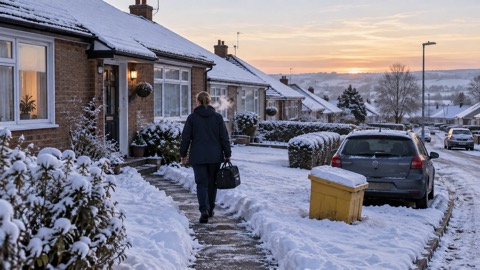
The Met Office recorded the coldest night of the winter so far on the night of 5 to 6 January, with temperatures falling to as low as -12.5°C in Marham, Norfolk; Santam Downham in Suffolk and Topcliffe in North Yorkshire both saw a low of -10°C5. Earlier, temperatures dropped to -10.9°C at Shap in Cumbria on the night of Sunday 4 January, with lying snow of 52cm at Tomintoul in Banffshire, 35cm at Durris in Kincardineshire and 34cm at Loch Glascarnoch in Ross and Cromarty as of 10:00 on Monday 5 January4. On 4 January the Met Office reported four amber warnings for snow across parts of the northern half of Scotland, with some locations seeing a further 20-30cm accumulate by Monday morning7.
Dr Agostinho Sousa, Head of Extreme Events and Health Protection at UKHSA, said:
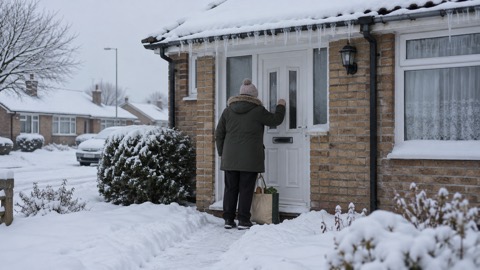
"As the colder weather sets in it is vital to check in on friends, family and neighbours that are most vulnerable."
The UKHSA says an amber alert means the weather is "likely" to cause significant impacts across health and social care services, including a "rise in deaths" among those with health conditions or aged 65 or over6.
| Warning or alert | Area | Period as reported |
|---|---|---|
| Amber cold health alerts | England (all regions by 5 January) | Until 6 January1; until 9 January4; until 11 January5; until 10am 12 January6 |
| Amber warnings for snow | Northern half of Scotland | Sunday 1800 to Monday 10007 |
| Amber warning for snow | Central and northern Scotland | Tuesday 1100 to 19005 |
| Yellow warnings for snow and ice | Scotland, Northern Ireland, northern England, east of England, west of Wales, Devon and Cornwall | In place for Tuesday 6 January4 |
| Yellow warning for snow | Parts of England and Wales | Thursday 1800 to Friday 12005 |
| Yellow warning for wind | Southwest England | Thursday 1500 to Thursday 23595 |
Why it matters for households
The alerts cover all regions of England by 5 January4, and the cold affects the whole UK: the Met Office reported on 1 January that yellow warnings for snow and ice remained in force across parts of Scotland, Northern Ireland, Wales and central and southern England8. UKHSA said the forecast temperatures can have a serious impact on health, leading to increased risk of heart attacks, strokes and chest infections, particularly for individuals over the age of 65 and those with pre-existing health conditions1.
The Met Office advises heating your home to at least 18°C, particularly if you have reduced mobility, are aged 65 or over, or have a health condition such as heart or lung disease, and advises bedroom temperatures of at least 18°C overnight for those over 65 or with pre-existing health conditions2. The North West Ambulance Service lists keeping your home heated to at least 18°C if you are elderly or vulnerable, wearing warm clothing including indoors, staying active indoors to help circulation, and checking in on vulnerable friends, family and neighbours3. Age Scotland's policy director, Adam Stachura, advised making sure there is enough food and any important medications at home to reduce the need for unnecessary and potentially risky trips, and staying warm in the room you spend most time in with layered clothing, warm drinks and food and regular movement if heating the home is a challenge1.
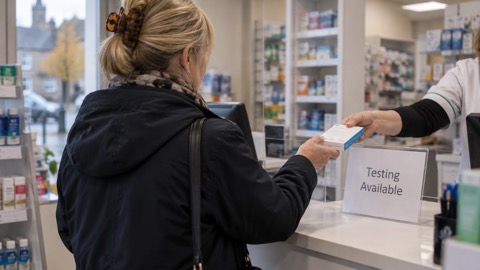
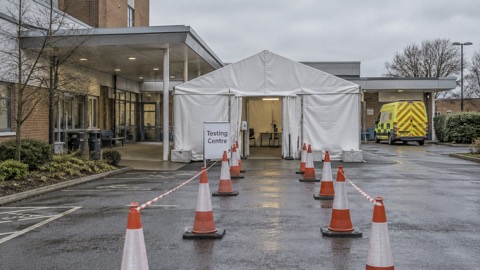
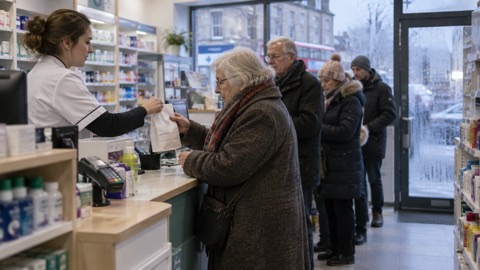
On travel, George Fiddes from Transport Scotland said the advice to motorists is to plan the journey, leave extra time if needed and drive to the conditions, and to check with operators before setting off by rail, ferry or air1. The North West Ambulance Service asked the public to call 999 or attend A&E only for life-threatening emergencies, use NHS 111 online or the NHS App for urgent advice if it is not an emergency, and noted that community pharmacies and GP practices can help with many minor illnesses3.
What happens next
The Met Office reported on 6 January that temperatures look to stay well below average into the weekend, with wintry showers and ice still a hazard in places5. A deepening area of low pressure, named Storm Goretti by Meteo France, was expected to move across the south of the UK during Thursday and into Friday, with snow on its northern flank and wind and rain on the southern flank; the Met Office said the exact track was still uncertain and warnings were likely to be amended and potentially escalated5. Milder air was expected to move in from the west on Sunday, bringing an end to the current cold spell5.
For the alert levels and what they mean, see Yellow, Amber and Red Cold-Health Alerts: What They Mean and Cold-Health Alerts: What the UKHSA Alert Levels Mean. Background on the agency is in The UK Health Security Agency: Alerts, Outbreak Advice and Local Teams, and health risks are set out in Staying Well in Cold Weather: Health Risks and Who Is Most at Risk. Weather warning levels are explained in Met Office Weather Warnings: Yellow, Amber and Red Explained, and sign-up is covered in How to Sign Up for Met Office Weather Alerts.
Sources (8)
- Cold weather to grip the UK with risk of snow and gales - Met Office, metoffice.gov.uk
- Keeping your home warm during cold weather - Met Office, metoffice.gov.uk
- Looking after yourself during the cold snap - NWAS - North West Ambulance Service, nwas.nhs.uk
- Cold spell continues with further snow and ice warnings - Met Office, metoffice.gov.uk
- More warnings for snow and ice before ‘multi-hazard’ event Thursday into Friday - Met Office, metoffice.gov.uk
- Amber cold health alert extended until January 12th | Lancashire Resilience Forum, lancashireprepared.org.uk
- Amber and Yellow warnings for snow and ice remain in force - Met Office, metoffice.gov.uk
- Network of warnings for snow and ice remain in force - Met Office, metoffice.gov.uk
 Cold-Health Alerts Explained
 Cold-Health Alerts
 UK Health Security Agency
 Staying Well in Cold Weather