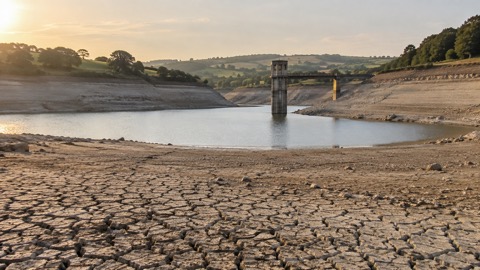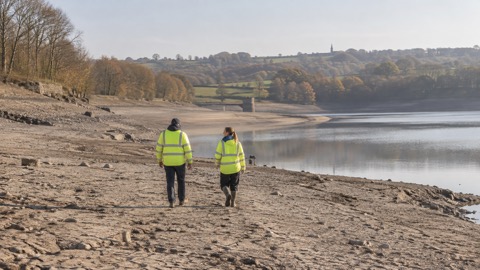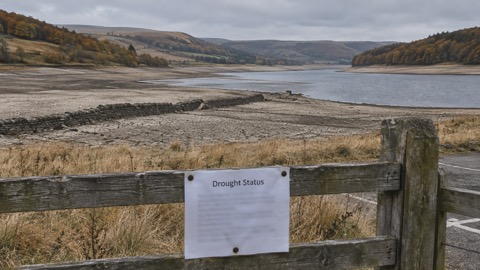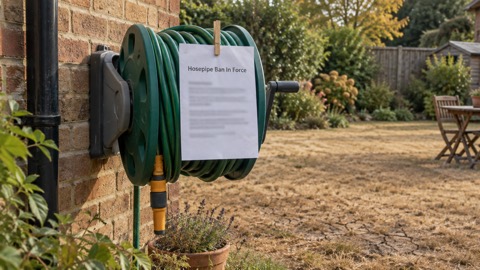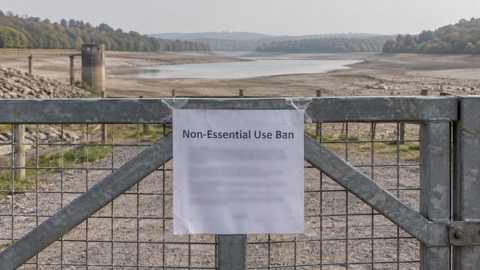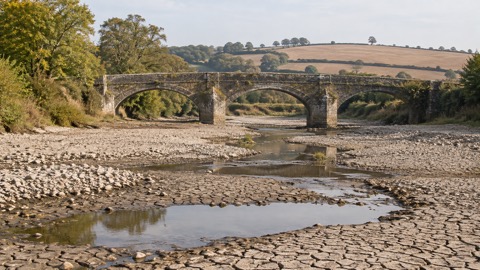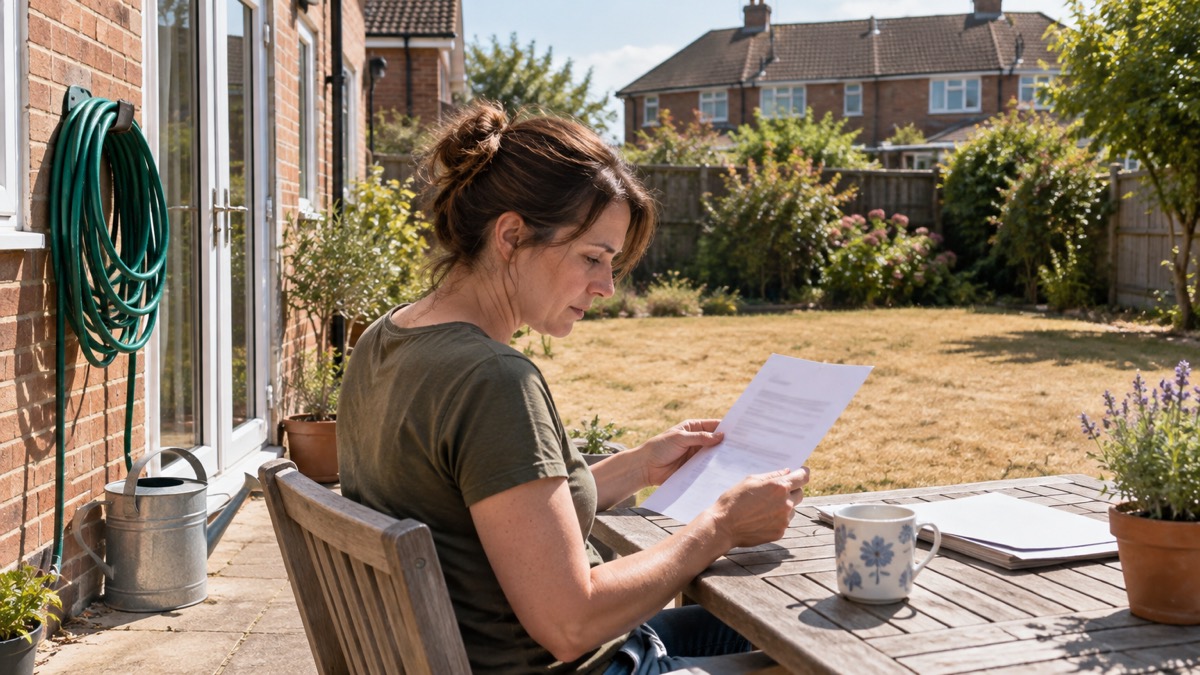
Temporary Use Bans (TUBs) were implemented in parts of Yorkshire and several counties in the South of England to ensure sufficient water supplies for all, following the driest start to the year since 1976 and what Waterwise describes as unprecedented demand for water1. The restrictions were in place by the time Waterwise published research on public attitudes to them on 15 September 20251.
It found that 63 per cent of participants believe it is right to ask people not to use a hosepipe for as long as necessary, with 17 per cent disagreeing and 20 per cent unsure1. Seventy per cent of respondents considered the instatement of a temporary use ban during hot, dry and sunny conditions to be justifiable, with 11 per cent disagreeing and 19 per cent unsure1.
Other findings from the poll1:
| Measure | Share of respondents |
|---|---|
| Concerned about water availability in the UK, whether or not their area was under a ban | 73% |
| Reported taking action to reduce household water consumption | 70% |
| Already taking action | 31% |
| Trying to do more | 23% |
| Implementing new water-saving measures | 16% |
The research was funded by the Environment Agency and CCW1. Waterwise said it is now working with both organisations to develop further research into public attitudes to inform communication campaigns for future droughts and water efficiency initiatives1.
Russell added that the level of concern during drought and heatwaves, coupled with willingness to take action, provides a strong foundation for future water efficiency campaigns, and that "the challenge now is to keep that concern and action going all year round"1.
Why it matters for households
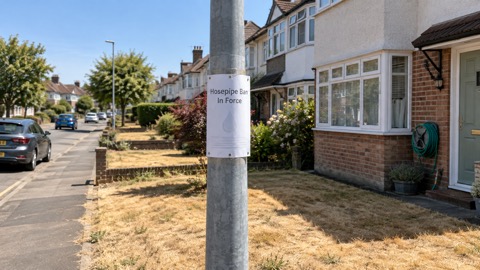
Households in the affected parts of Yorkshire and the southern counties named by their water companies are subject to temporary restrictions on uses such as hosepipes and sprinklers during periods of drought and high temperatures1. The poll indicates that most people surveyed support such restrictions and report some action to cut household water use, whether or not their area was under a ban1. Waterwise's chief executive said all of us have a part to play, and that concern and action need to continue all year round1. The specific restrictions, start dates and areas covered by each ban are set by the individual water companies; those details are not reported in the research.
What happens next
Waterwise is working with the Environment Agency and CCW on further research into public attitudes, intended to inform communication campaigns for future droughts and water efficiency initiatives1. No dates for that work have been reported.
For how restrictions are applied, see Hosepipe Bans: How Temporary Use Bans Work and Watering the Garden, Allotment and New Lawn in a Hosepipe Ban. For the wider context, see Why UK Summers Are Getting Hotter and Drier and How Drought Is Declared in England and What Each Stage Means.
 Hosepipe Bans and the Garden
 Why UK Summers Are Hotter
 Drought Stages in England
 Household Guide to Drought