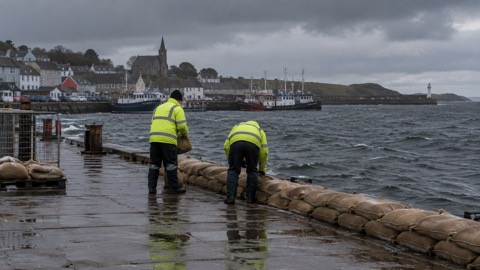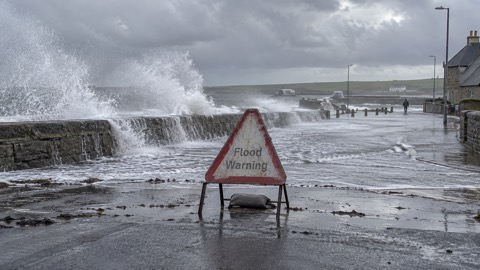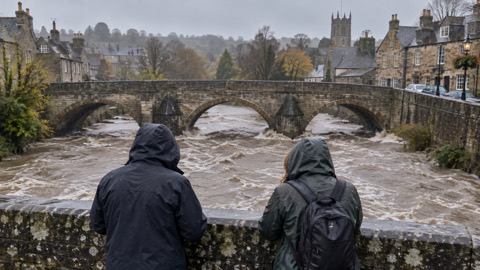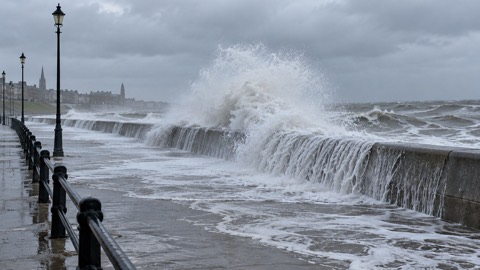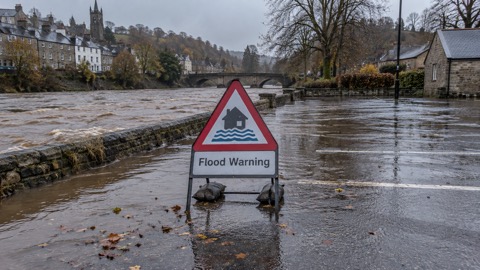
Storm Babet arrived in Wales on 20 October 2023 and was the first named storm to affect Wales that winter season, the Welsh Government said in a written statement published on 20 November 20231. Natural Resources Wales issued a Severe flood warning for the Severn, along with several flood warnings and alerts across north and mid Wales1.
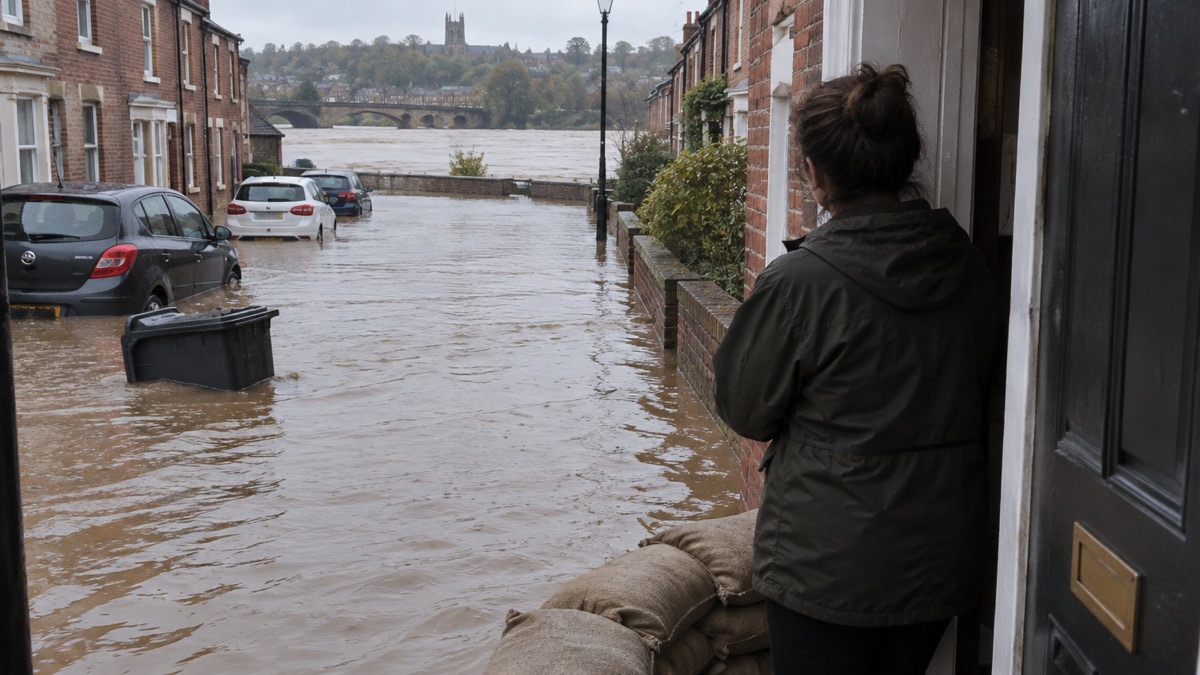
As of 17 November 2023, local authority updates recorded internal flooding to 163 properties during Storm Babet: 103 in Flintshire, 23 in Powys, 20 in Wrexham and 17 in Conwy1. Natural Resources Wales later put the figure at approximately 160 properties, listing Conwy, Denbighshire, Flintshire, Wrexham and Powys, and said the storm triggered 46 flood warnings of varying levels in a 48-hour period, with roads, railways and schools affected and some properties evacuated2. The two accounts differ slightly on the counties affected and on the total.
The statement also covered the storms either side of Babet. A yellow weather warning for heavy rain for southwest Wales on 23 October was followed by internal flooding to 26 properties in Carmarthenshire1. Storm Ciarán on 1 and 2 November brought high winds and further rainfall, with a severe flood warning for the River Ritec in Tenby and a flood warning for the River Solva1. Internal flooding was recorded to 7 properties: 2 each in Pembrokeshire, Carmarthenshire and Neath Port Talbot, and 1 in Wrexham1. Natural Resources Wales said the River Ritec reached record levels and that advice given led to the safe evacuation of over 900 people from the Kiln Park Holiday site2.
"The arrival of Storm Babet on 20 October marked the first named storm to affect Wales this winter season."
| Period | Properties internally flooded | Areas |
|---|---|---|
| Storm Babet, from 20 October 2023 | 163 | Conwy (17), Flintshire (103), Wrexham (20), Powys (23)1 |
| 23 October 2023 | 26 | Carmarthenshire1 |
| Storm Ciarán, 1 and 2 November 2023 | 7 | Pembrokeshire (2), Carmarthenshire (2), Neath Port Talbot (2), Wrexham (1)1 |
The Minister offered condolences to the loved ones of those who lost their lives across the UK during Storm Babet, and sympathies to people whose properties were affected in both storms1. She said officials and Natural Resources Wales worked with counterparts in the UK and Scottish Governments, including through Local Resilience Forums stood up as part of the response, and that colleagues were undertaking a routine evaluation of what worked well and what could be done better during future named storms1.
Why it matters for households
The statement sets out the scale of risk in Wales and the money committed to managing it. The Minister said this year's allocation was over £75m for flood and coastal erosion risk management, the highest annual spend in Wales to date, with £34m of capital funding available to Risk Management Authorities1. Natural Resources Wales estimates that over 1000 properties did not flood in the storms because of investment already in place1. Its annual report for 2023 to 2024 records £56.6m of Welsh Government funding on key flood risk management activities, and states that its network of flood defences benefits 102,000 properties across Wales2. It also estimates that 272,817 properties in Wales are at risk of flooding, approximately 1 in 72.
For households in areas that flooded, the statement points to Natural Resources Wales guidance on what to do before, during and after a flood, and the Minister urged people to make use of that support1. On community resilience, the statement records 71 community flood plans across Wales as of April 2023: 34 in South Wales, 14 in Mid Wales and 23 in North Wales1. Revenue funding for local authorities was almost doubled last year to £225,000 each, and the Minister said the same level is being offered again this year1.
The statement warns that events like Storms Babet and Ciarán are becoming less exceptional and more routine, and that further named storms are likely through the winter1. Natural Resources Wales reports that the period from October 2023 to March 2024 was the second wettest winter ever in the UK, according to the Met Office, with 10 named storms2.
What happens next
The Welsh Government said a routine evaluation exercise was under way to reflect on what worked well and what could be done better during future named storms1. Natural Resources Wales reported significant progress on a new and updated Flood Warning Service, which it said would enter operation in the summer, with work beginning in May 20242. It also published its Flood Risk Management Plan for Wales in November 2023, setting out priorities for the next six years2.
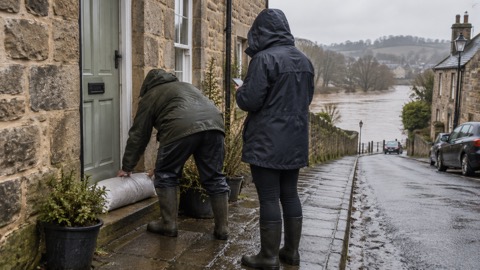
Households can check current warnings through the Flood Alerts, Flood Warnings and Severe Flood Warnings page, and the Wales: Natural Resources Wales Warnings and Risk Maps page covers the Welsh warning service. Practical preparation is set out in Flooding: A Household Guide and the Checklist When a Flood Warning Is Issued. For property measures, see Flood Doors and Flood Windows, Property Flood Resilience Grants and Home Insurance in a Flood Risk Area and Flood Re. Winter storm readiness is covered in the storms and snow section.
 Flood Alerts and Flood Warnings
 Wales Flood Warnings and Maps