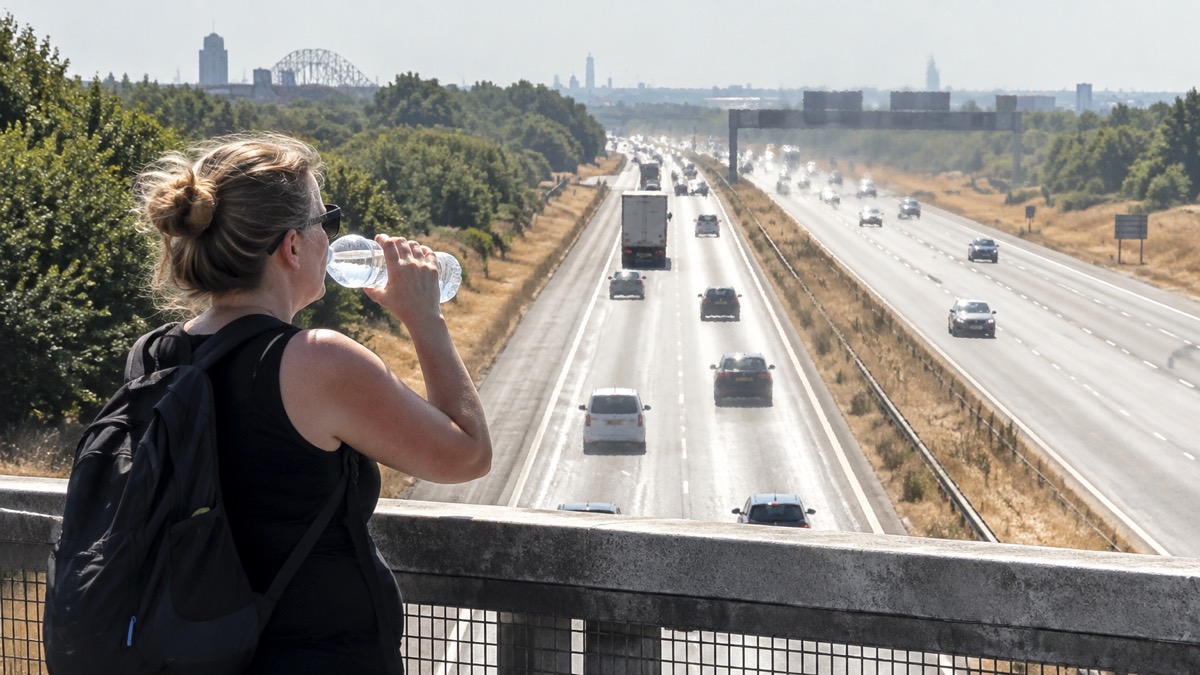
North West Ambulance Service (NWAS) published health advice from its Medical Director, Dr Chris Grant, on 9 July 2026, as high temperatures look set to return to the North West in the coming days and into next week1. The service said it was offering the advice to people who could be affected1.
NWAS reported that during the heatwave at the end of June, calls peaked to levels usually seen only on New Year's Eve, and that the people most affected were older people and those with long-term health conditions1. In one week during that period, the service said it answered more than 30,000 emergency 999 calls, around 22% more than the same week the previous year, managed more than 24,000 emergency incidents and handled 38,000 NHS 111 calls1.
"High temperatures look set to return to the North West in the coming days and into next week, and we are offering advice to people who could be affected."
The service said hot weather can cause some people to become unwell through overheating, dehydration, heat exhaustion and heatstroke1. It said older people, babies and young children are more likely to be unwell because their bodies are less able to regulate temperature, and that people with underlying medical conditions can also be vulnerable, including because of the medication they are on1. Certain medications can increase heat sensitivity, affecting the body's ability to cool down, and some impair heat awareness, according to NWAS1.
Dr Grant also warned that alcohol causes the body to lose fluids faster, significantly increasing the risk of dehydration in hot weather, and advised people who are drinking to alternate alcoholic drinks with water and to try to stay in the shade or indoors, noting England's World Cup quarter-final match on the Saturday1.
NWAS set out the following advice1:
| Advice | Detail given by NWAS |
|---|---|
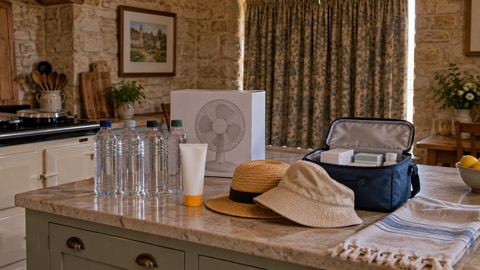
| Stay hydrated | Drink water regularly, even if not thirsty |
| Avoid peak heat | Limit outdoor activity during the hottest part of the day |
| Wear appropriate clothing | Light, loose-fitting clothes, hats and sunglasses |
| Use sunscreen | Broad-spectrum SPF 30+, especially if on photosensitising medications |
| Monitor for symptoms | Dizziness, nausea, rapid heartbeat, confusion or excessive sweating may indicate heat-related distress; seek medical help immediately if severe |
Why it matters for households
The advice applies to households across the North West, with high temperatures forecast in the coming days and into next week1. NWAS identifies older people, babies and young children, and people with underlying medical conditions or who take certain medications as more likely to become unwell in hot weather1. It advises watching for signs of heat-related distress, including dizziness, nausea, a rapid heartbeat, confusion or excessive sweating, and seeking medical help immediately if these are severe1. The service's account of the June heatwave indicates that demand on 999 and NHS 111 services rose during hot weather, with older people and those with long-term conditions most affected1. Households preparing for hot weather can find further guidance in the guide to a hot weather preparation checklist, the heatwaves and drought hub, an explanation of the Adverse Weather and Health Plan and how services respond, and advice on staying cool in pregnancy during hot weather.
What happens next
NWAS has not published a start or end date for the forecast period beyond saying the high temperatures are expected in the coming days and into next week1. No further announcements have been reported.
 Hot Weather Preparation





