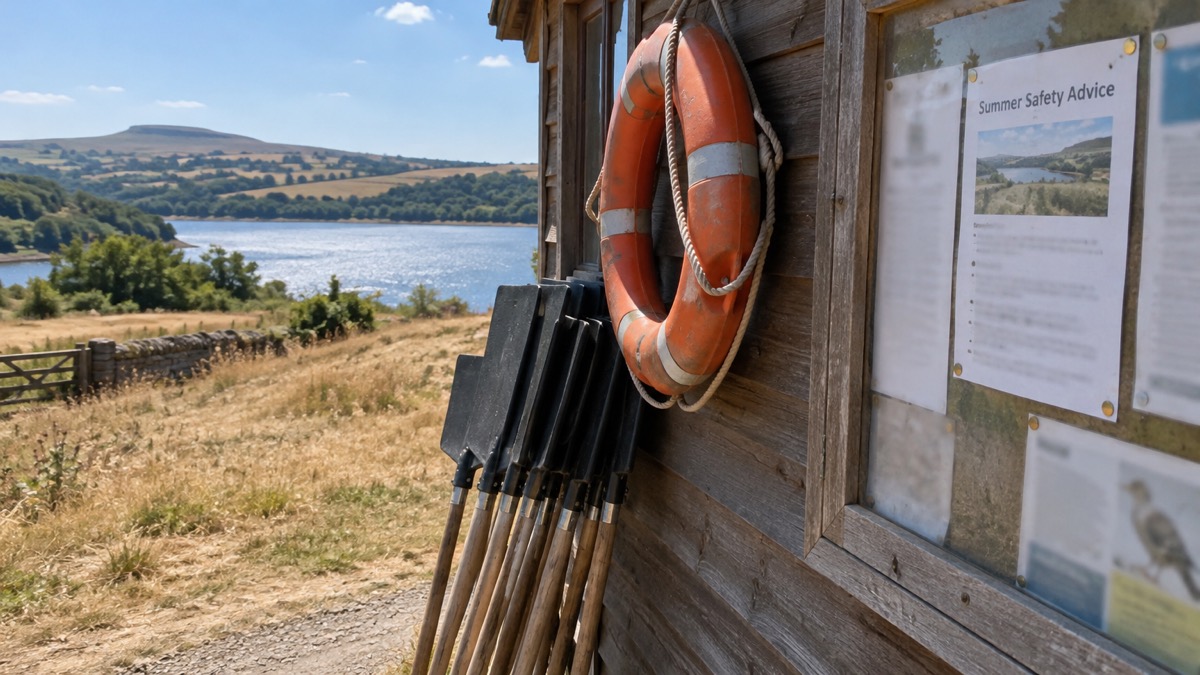
The National Fire Chiefs Council (NFCC) issued public safety advice on 21 June 2024 on preventing wildfires and drownings, ahead of forecast warmer weather across the UK in the following week. The council said fire and rescue services can see an increase in calls to outdoor fires and water rescue incidents as temperatures rise1.
The NFCC said small outdoor fires can lead to wildfires, and that these are often started by human activities such as using barbecues and campfires in the open, and careless disposal of cigarettes and glass. Deliberate fire setting and arson have also been the cause of wildfires, it said. Its advice, issued as part of the Wildfire Aware campaign, includes only having campfires and barbecues in designated areas and ensuring they are extinguished fully with water, supervising them and never leaving them unattended, disposing of litter properly because items such as glass bottles can focus the sun's rays and start a fire, never setting off sky lanterns, and disposing of cigarettes and smoking materials safely1. The council also encouraged parents and carers to speak to young people about the dangers of starting fires outdoors and the consequences which can lead to large fires, putting lives and wildlife at risk1.
On water, the NFCC said June 2023 recorded one of the highest rates of accidental water related fatalities for that year, and that as air temperatures rise water remains cold, with many people unaware of risks such as cold water shock, which can affect the ability to swim. It said 37% of people who drowned in 2023 were running or walking and had no intention of entering the water. Its advice includes taking care when near water, not jumping into water to cool off, actively supervising children in and near water, and not entering the water after drinking alcohol1.
Mark Hardingham, Chair of the National Fire Chiefs Council, said:
"We want the public to enjoy our wonderful outdoors when the summer weather starts. But it is important that people take steps to keep themselves and others safe."
The NFCC's guidance for those who spot a fire outdoors, and for water emergencies, is set out below.
| Situation | NFCC advice |
|---|---|
| Outdoor fire spotted | Move to a place of safety and report it by calling 999; do not assume someone else already has; give as much information as you can about location and size and follow any advice given by the fire control operator1 |
| Someone else in trouble in water | "Call, Tell, Throw": call 999, tell the struggling person to float on their back, throw them something that floats1 |
| In trouble in water yourself | "Float to Live": tilt your head back with ears submerged, relax to try to control your breathing, move your hands to help stay afloat, and once over the initial shock call for help or swim to safety1 |
Why it matters for households
The advice applies to households spending time outdoors during the forecast warmer weather, including those visiting countryside, coast and inland water away from home. The NFCC said location apps such as What3Words or Ordnance Survey Locate can help fire and rescue services find an exact location if help is needed1. Its wildfire guidance covers the everyday sources of ignition it identifies, including barbecues, campfires, cigarettes and glass litter, and it advises that anyone who spots an outdoor fire should move to safety and call 999 rather than assume someone else has reported it1. On water, the council's advice is directed at people running or walking near water as well as those intending to enter it, and at parents and carers supervising children1. The background to wildfire risk and prevention is set out in the guide to wildfires and grass fires, with related guidance on barbecues and wildfire risk in dry weather and on how much water to drink in hot weather; the heatwaves and drought hub covers the wider seasonal picture.
What happens next
The NFCC said it will be issuing advice to reduce the risk as part of the Wildfire Aware campaign1. No further dates have been reported.
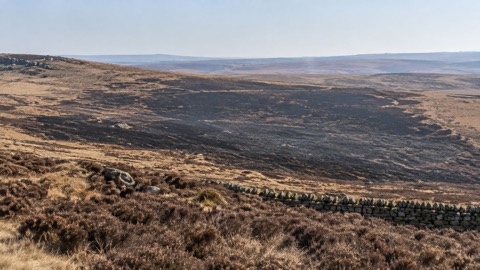 Wildfires and Grass Fires





