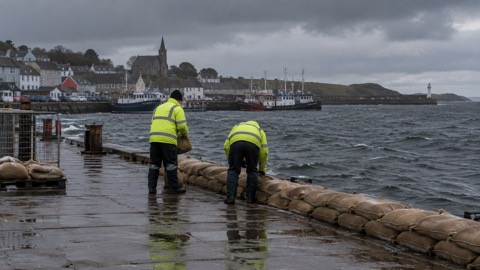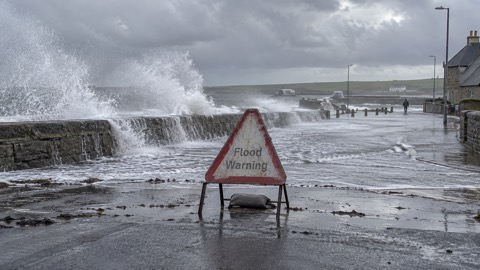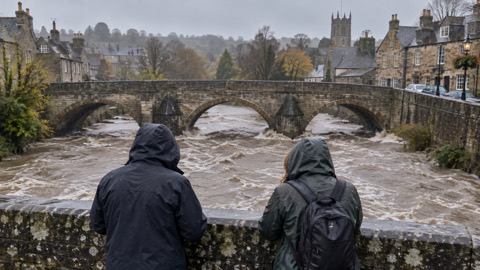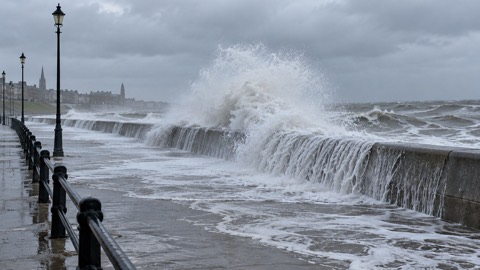
The National Flood Forum, an independent charity, published guidance on 13 October 2025 for Flood Action Week on preparing for winter flooding, setting out practical steps for households and communities ahead of the winter season1.
The charity's post opens by saying that with winter approaching it is important for people at risk of flooding to be prepared for the possibility of flood water entering the home1. Its steps for households cover checking flood risk on the official England and Wales websites, signing up to flood alerts and Met Office weather warnings, and reviewing insurance to check that it covers flooding and extreme weather1. It advises storing important documents, keys, prescription drugs and precious memorabilia such as photos upstairs or on top of shelves in waterproof boxes, because flood water can move furniture, and having a bag of clothes and toiletries, chargers and medication ready in case flooding enters the property and the household must move out1.
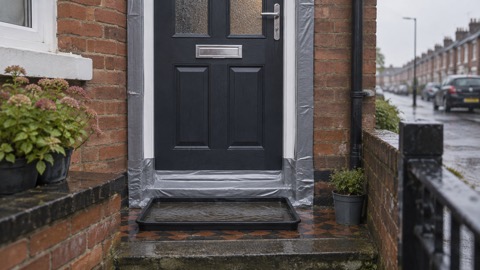
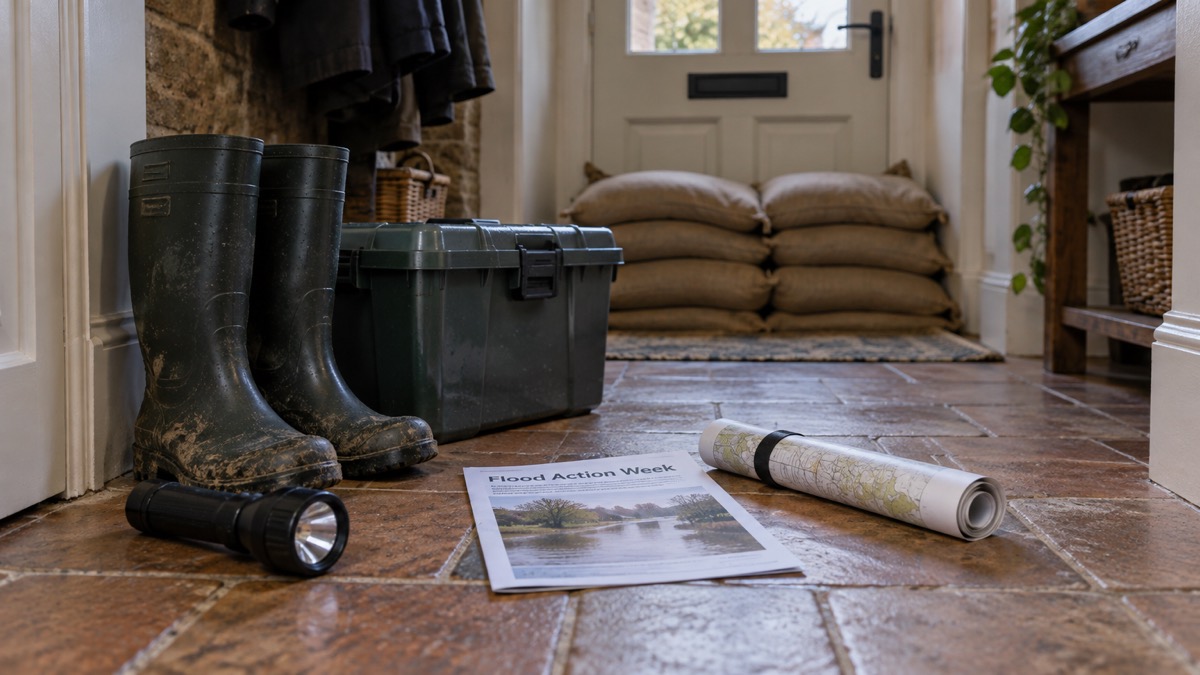
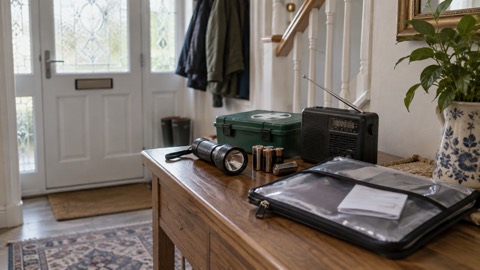
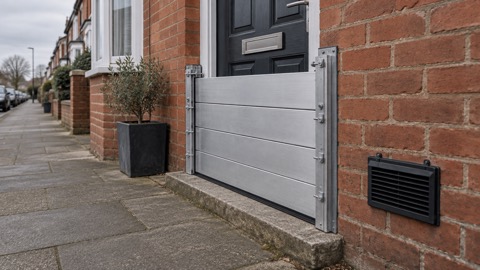
On property-level flood protection, the charity says anyone who has it should check it is in good condition now, giving peeling seals as an example. For those without it, it suggests making a list of easy or cheap alternative actions and looking into cheaper measures that can be self-installed, such as air brick covers, bottles or wellies around table legs, or specialist flood tape1. It also advises making a Flood Action Plan and preparing an emergency flood kit as part of the plan1.
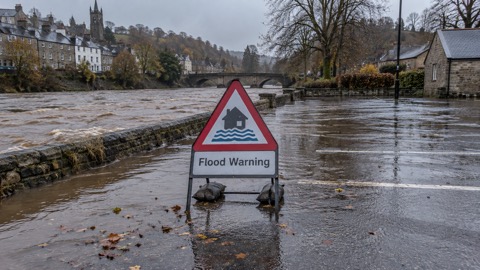
For communities, the guidance covers checking on neighbours, especially if they are older or vulnerable, and identifying somewhere cars could be moved out of the way of water if it floods. It asks people to report any blocked highways drains to the local council as soon as possible, and warns against driving through any water that may have gathered, because its depth is unknown and there may be hidden dangers under flood water1.
"With winter just around the corner, it’s important for people who may be at risk of flooding to be prepared for the possibility of flood water entering the home"
The charity's wider pages set out who does what during a flood. Local authorities are classed as Category One Responders under the Civil Contingencies Act and may provide local advice, set up rest centres, arrange temporary accommodation, manage road closures, investigate flooding from blocked or overflowing drains and sewers, and provide sandbags or other emergency supplies, with availability varying by area2. The Environment Agency in England and Natural Resources Wales in Wales are responsible for building, maintaining and operating flood defences and for issuing flood alerts and flood warnings2. The police coordinate the emergency services during major flooding events, and Fire and Rescue Services are primarily responsible for saving life2. The National Flood Forum states that it does not provide sandbags or physical assistance during flood events, and that anyone in immediate danger should call 9992. Its helpline is available Monday to Friday, 9am to 5pm, and hours may change during large flood events2.
Why it matters for households
The guidance is aimed at households that may be at risk of flooding, in England and Wales, in the period before winter1. It sets out what the charity says households can do now: check flood risk, sign up for alerts and warnings, review insurance cover, move documents and medication upstairs or into waterproof storage, prepare a bag in case of evacuation, check existing flood protection and consider low-cost alternatives, and make a flood plan with an emergency flood kit1. For communities it covers checking on older or vulnerable neighbours, planning where cars could be moved, reporting blocked highway drains to the council, and not driving through flood water1. The charity's separate pages describe the roles of councils, the Environment Agency, Natural Resources Wales, the police and Fire and Rescue Services during a flood, and state that people should follow the advice of the emergency services, as their guidance may change as conditions develop2. The charity also advises that small children, pregnant women and people with existing health conditions should avoid floodwater and flooded areas until clean-up is complete and the area is safe2.
What happens next
No further dates or follow-up actions have been reported. The charity's post also refers readers to its own resources on preparing for flooding1. Its helpline, 01299 403 055, is staffed Monday to Friday, 9am to 5pm2.
Households can read more in the guide to flooding, including making a household flood plan and protecting your home. The guide to flood alerts, flood warnings and severe flood warnings explains the warning levels, and Wales: Natural Resources Wales warnings and risk maps covers the Welsh arrangements. Turning off gas, electricity and water before a flood and home insurance in a flood risk area and Flood Re cover two of the steps the charity lists1.
Sources (2)
- Flood Action Week, Preparing for Winter, nationalfloodforum.org.uk
- During a flood | National Flood Forum, nationalfloodforum.org.uk
 Making a Household Flood Plan
 Protecting Your Home