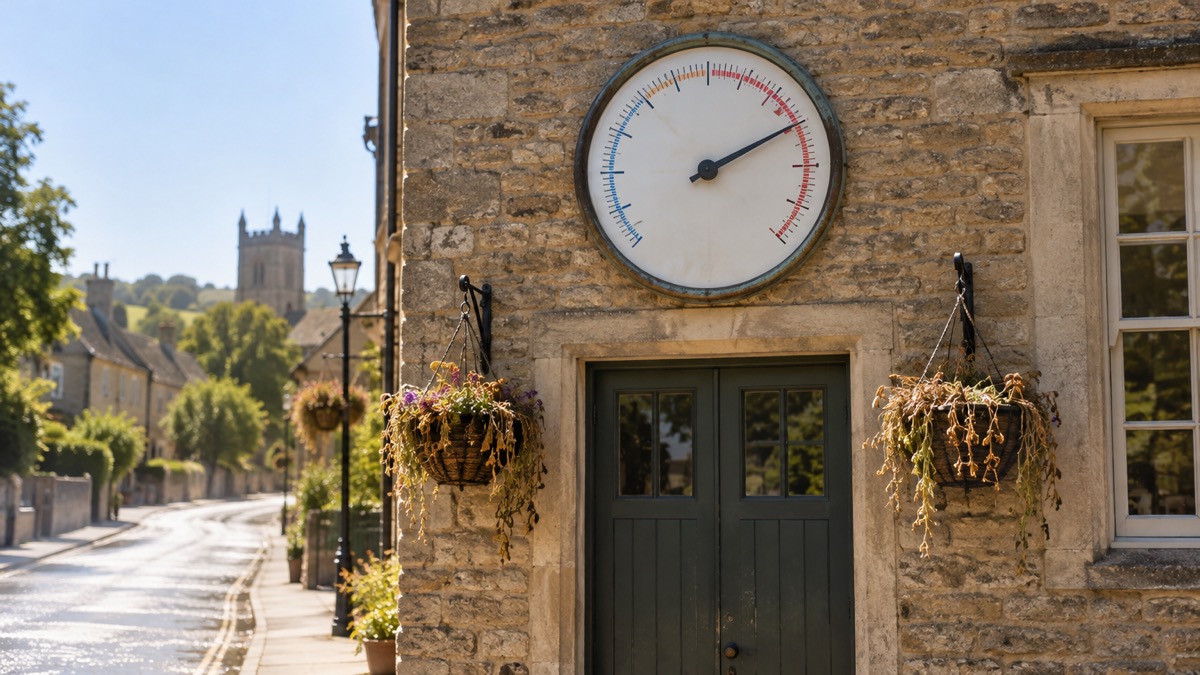
The May heatwave of 21 to 29 May 2026 set a new monthly temperature record of 35.1C, with around 550 deaths estimated to have occurred in England and Wales during it1. The figure comes from research by Imperial College London, the Met Office and the London School of Hygiene & Tropical Medicine, which estimated that more than 2,700 people in England and Wales are thought to have died from heat-related causes across the May and June heatwaves combined1. The June heatwave of 18 to 28 June 2026 accounted for 2,200 of those deaths and set its own monthly record of 37C1.
The estimates have been reported differently since. A report on 9 August 2026 said the two record-breaking heatwaves in May and June led to more than 2,800 excess deaths2. The earlier figure of more than 2,700 was attributed to the three research bodies1; the later figure of more than 2,800 has not been reconciled with it in the reporting available.
The heat has continued through the summer. The UK was described as experiencing its third official heatwave of the year in mid-July, after the May and June records1. By 9 August, the country was preparing for a fifth heatwave, with Frittenden in Kent reaching 30.6C on the Sunday and a high of 36C expected in parts of East Anglia and the South East by the Thursday2. The same report said July was the driest in England and Wales since records began in 1836, that 19 counties across England recorded 1mm of rain or less across the whole month, and that half of England and all of Wales had been plunged into drought2.
Dr Clair Barnes, Research Associate in Extreme Weather and Climate Change at Imperial College London, said:
"We all love the sun, but people need to be aware that we are now seeing dangerous climate-change fuelled heat that is claiming lives, disrupting schools and hospitals and shutting down transport and infrastructure."
Water supplies have been affected. Cambridge Water's temporary hosepipe restriction took effect on 9 July 2026 and became enforceable from 1am on 17 July 20263. The company said it was the first hosepipe ban it had implemented since 1995, and before that 1976, and that 2026 had been hotter and drier than 1976 with below average rainfall since March3. It said farmers were facing restrictions on irrigation licences, the Canal & River Trust had closed several routes to navigation because of water levels, and the Environment Agency was undertaking fish rescues in streams and rivers due to low flows3.
| Measure | Figure | Period | Source |
|---|---|---|---|
| May monthly temperature record | 35.1C | May 2026 | 1 |
| June monthly temperature record | 37C | June 2026 | 1 |
| Estimated deaths, May heatwave | around 550 | 21 to 29 May 2026 | 1 |
| Estimated deaths, June heatwave | 2,200 | 18 to 28 June 2026 | 1 |
| Combined estimate, England and Wales | more than 2,700 | May and June 2026 | 1 |
| Combined estimate as later reported | more than 2,800 | May and June 2026 | 2 |
| Rainfall, north-west Scotland | over 100mm | Friday and Saturday, 7 and 8 August 2026 | 2 |
Why it matters for households
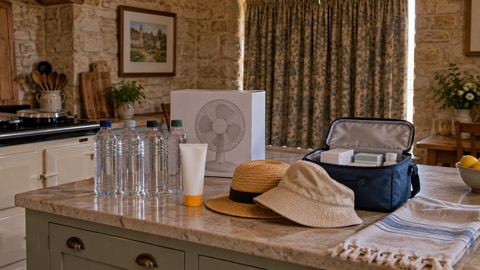
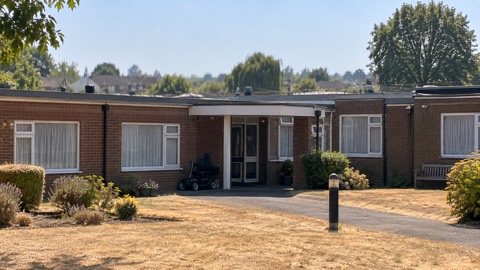
The deaths estimated in the May heatwave were concentrated in England and Wales, and the research covers both heatwaves together1. The UK Health Security Agency issued yellow heat health alerts for the East Midlands, West Midlands, South East, South West, East of England, Yorkshire and the Humber, and London, in place until 9pm on Tuesday 11 August and possibly to be extended2. The Who Is Most at Risk in Hot Weather page sets out which groups are most exposed, and the Hot Weather Preparation Checklist covers household preparation.
For households in the Cambridge Water area, the restriction applies to anyone whose home receives its supply from the company, and also to customers in its region supplied by Independent Water Networks Ltd, ESP Utilities Group or Leep Networks (Water) Ltd, who will be contacted directly3. Blue badge holders, customers on the Priority Services register and those on the WaterSure tariff for medical reasons are exempt3. Prohibited uses include watering a garden with a hosepipe or sprinkler, cleaning private vehicles or boats with a hosepipe, filling or maintaining a domestic swimming or paddling pool, hot tub or cold-water plunge pool, and cleaning paths, patios, walls or windows with a hosepipe3. Rainwater and water butts are not covered, as the restrictions apply only to the clean, potable water provided by Cambridge Water3. Newly laid turf and grass seed may be watered with a hosepipe for 28 days, and trees, whips, saplings and hedging planted in the last three years may be watered where they cannot be hand-watered or watered with non-potable water3. The company said it would not reduce bills or pay compensation, because hosepipe restrictions are designated as an Ordinary Drought Order3. The Hosepipe Bans: How Temporary Use Bans Work page explains the framework, and the Water Shortage and Hosepipe Ban Checklist covers household preparation.
The British Red Cross advised people in high-risk wildfire areas to know their escape routes, follow local alerts and keep their property clear of flammable materials1. Its head of resilience, Garth Smith, said hot weather and little to no rain had made it easier for grass and wildfires to spread quickly1.
What happens next
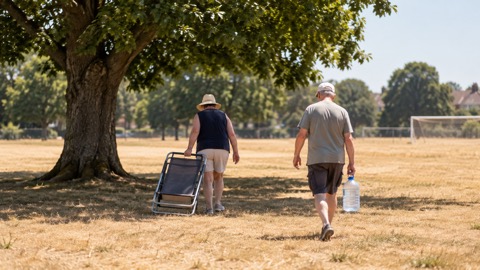
The Met Office said heatwave conditions would continue in the southern and western parts of the UK, with temperatures peaking around 30C to 32C across parts of England and Wales, and that high pressure building back in from the northwest by the weekend would bring a return to more widely settled, dry and still warm conditions1. The yellow heat health alerts were in place until 9pm on Tuesday and may be extended2. Further reporting on the combined death estimate, and on whether the May figure is revised, has not been published in the accounts available. The Why UK Summers Are Getting Hotter and Drier page sets out the background, and the heatwaves and drought hub collects the related guides.
Sources (3)
- Exceptional wildfire risk: affected areas and safety advice, redcross.org.uk
- Temperatures rise to 30C while Scotland hit by half a month’s rain in two days | STV News, news.stv.tv
- Temporary hosepipe ban | FAQs, cambridge-water.co.uk
 Hot Weather Preparation
 Who Is at Risk in Hot Weather
 Why UK Summers Are Hotter





