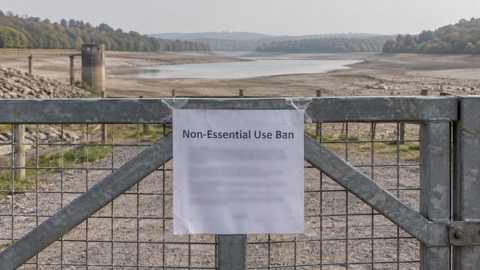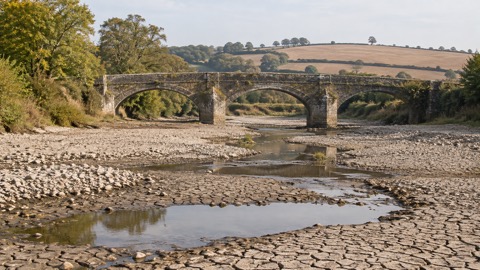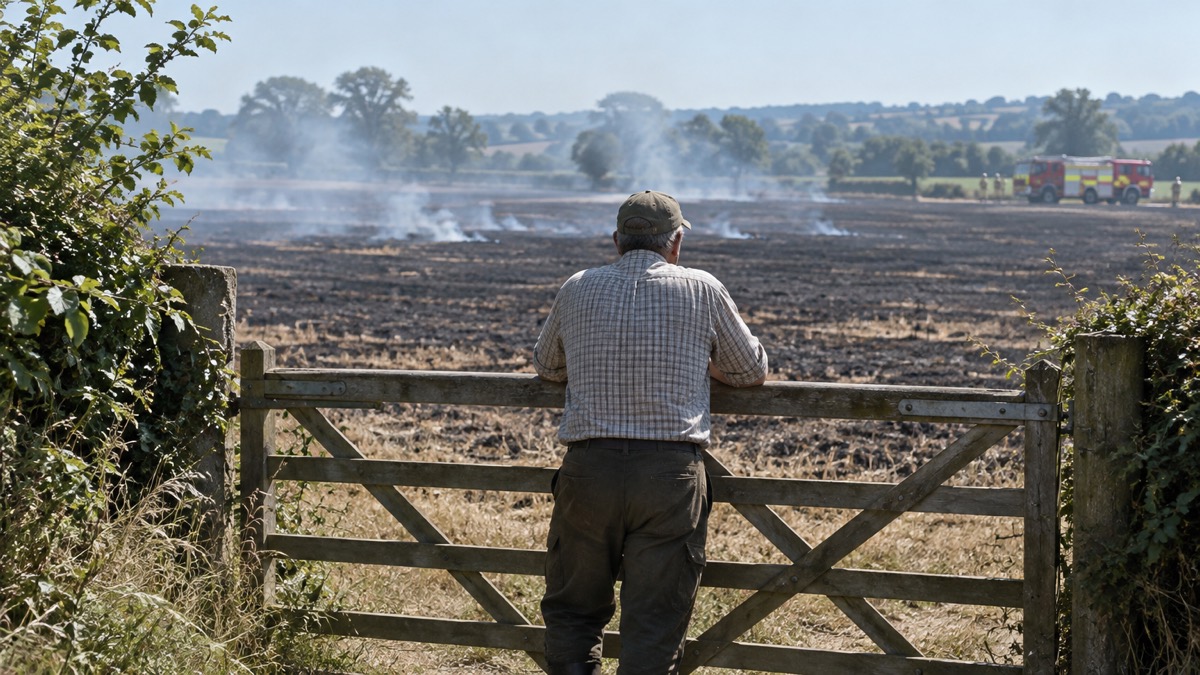
The National Fire Chiefs Council (NFCC) has set out the scale of the 2022 summer heatwave in a position statement on wildfires, reporting that 983 wildfires were recorded in England and Wales over the summer. The figure compares with 247 wildfires in 2021 and 146 in 2020, increases of 315% and 573% respectively1.
Across 18 and 19 July 2022, the hottest days of the year, 84 wildfires were recorded and 14 fire and rescue services (FRS) declared major incidents. Nine of those declarations were linked to difficulties in responding due to the increase in operational demand. Fire control rooms saw a 500% rise in 999 calls, from a daily average in England of just over 2,000 to almost 13,500 on 19 July 2022, and several FRS implemented Operation Willow Beck to manage the increased call volumes1.
The Wennington wildfire on 19 July 2022 led to many residents needing to be evacuated and destroyed 16 homes. The NFCC says wildfires crossing into the rural urban interface, where vegetation meets the built environment, were particularly prominent in 2022, resulting in significant property damage, evacuation of communities and injuries1.
"The intense heatwave the UK experienced over the summer in 2022 resulted in a total of 983 wildfires being recorded in England and Wales."
The NFCC defines a wildfire as any uncontrolled vegetation fire where a decision or action is needed about its suppression, meeting one or more of the following criteria1:
| Criterion | Threshold |
|---|---|
| Area involved | At least one hectare (10,000 square metres) |
| Sustained flame length | More than 1.5 metres |
| Committed resources | At least four FRS appliances or resources |
| Duration of commitment | At least six hours |
| Threat | Serious threat to life, environment, property and infrastructure |
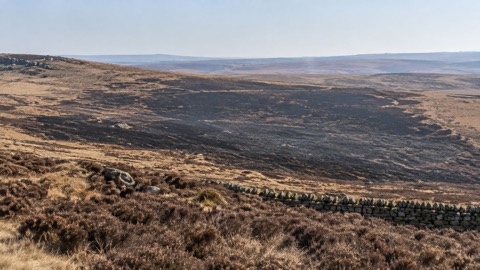
The council says most wildfires in the UK are caused by human activity, including leisure activities or deliberate acts, and that climate change increases their risk and severity. It reports that wildfires are starting earlier in the season, lasting longer, and occurring almost anywhere in the country rather than mainly in rural areas. Responding to wildfires is not a specifically funded capability and falls within the general FRS duty to extinguish fires, drawing on core budgets1.
The NFCC also notes that wildfires are not recorded as a specific incident type in the Home Office Fire and Rescue Incident Statistics, which makes tracking trends difficult. It recommends a single definition across UK governments and agencies, more consistent national data collection, greater joint working across departments, and a focus on land management1.
Why it matters for households
The NFCC's account shows that wildfire is no longer only a rural or moorland concern: fires in 2022 reached areas where vegetation meets housing, and one fire in Wennington destroyed 16 homes and required residents to be evacuated1. Households in or near such areas are the ones most directly affected, and the council says the risk of wildfires of this nature is likely to grow as the UK population increases1. The NFCC states that most UK wildfires result from human activity, including leisure activities or deliberate acts, and that educating individuals, organisations and communities about wildfire risk is crucial to embedding understanding of how human behaviour contributes to the problem1. It also notes that wildfires can last several days, with firefighter resources often needed after a fire is out to dampen the ground and avoid reignition1. Further background on risk and prevention is set out in the guide to wildfires and grass fires, and the 2022 season is covered in past UK droughts and heatwaves.
What happens next
The NFCC makes a series of recommendations to government: keeping funding for national wildfire roles under review; establishing more consistent national data collection underpinned by a shared definition; improving joint working across departments; placing greater emphasis on land management; and working with the fire sector to identify specialist equipment needs and fund key national resilience assets1. No timetable for these recommendations has been reported. The council cites Met Office projections that a 2°C increase in global temperatures will double the days in the UK with very high fire danger and extend the wildfire season into late summer and autumn, with other research suggesting wildfire danger days could increase three to four-fold by the 2080s1. The reasons behind the trend are set out in the guide to why UK summers are getting hotter and drier, and the wider subject is covered in the heatwaves and drought hub.
Sources (1)
- Wildfires position statement - NFCC, nfcc.org.uk
 Wildfires and Grass Fires
 Past UK Droughts and Heatwaves
 Why UK Summers Are Hotter