The UK Government carried out a test of the Emergency Alert System in 2023, according to the Lancashire Resilience Forum1. The first live use of an Emergency Alert came in February 2024 in Plymouth1. A further national test of the system is scheduled for 3pm on Sunday 7 September 20252.
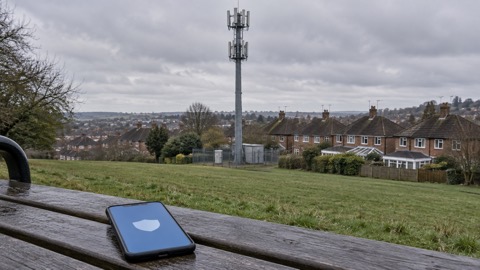
The Emergency Alerts service contacts people by mobile phone when their lives are at risk in an emergency, and is intended to warn about life-threatening events such as severe flooding1. Alerts are sent to compatible 4G and 5G mobile phones within an area of risk, and the service does not need a user's location or phone number1. The government does not need a phone number or any details to send an alert, and a phone or tablet does not need mobile data or WiFi to receive one2. Alerts are only ever issued by Government, or in some instances the emergency services1.
On receiving an alert, a phone will emit a loud, siren-like sound and a distinct vibration, and a message will appear on screen until it is acknowledged1. For those who are hard of hearing, the phone will recognise the alert has been received and, depending on its features, the alert will work with screen magnification and may read the message out, having overridden volume settings; the unique noise should also be audible for those who use a hearing aid1. After acknowledgement, Android users may find the alert in the Messages app or "Emergency Alert History", while iPhone users will find it in notifications, and deleting the notification deletes the alert1.
The 2025 test alert is expected to last about 10 seconds, and phones and tablets may make a loud sound even if set to silent, vibrate, or read out a message, with an on-screen message stating that it is a test2. The government has said it will not send alerts very often, and that in future it might use them to warn about flooding, fires and bad weather2.
| Detail | 2023 test1 | 7 September 2025 test2 |
|---|---|---|
| What happens | Government test of the system | Test alert at 3pm |
| Who receives it | Compatible 4G and 5G phones in an area of risk | All mobile phones and tablets that use 4G and 5G |
| Duration | Not stated | About 10 seconds |
| Action needed | Not stated | None; it is a test |
Why it matters for households
The alerts reach compatible 4G and 5G phones and tablets in an area of risk, so households with such devices can expect the test on 7 September 2025 whether or not the phone is set to silent1. The government states that no action is needed for the test, and that in an actual emergency people should follow the instructions in the alert to keep themselves and others safe2. Those who do not wish to receive emergency alerts in future will need to change their phone settings2. The government directs readers to gov.uk/alerts for more information and to check that an alert is genuine1. Further detail on how the system works is set out in the guide to Emergency Alerts, with separate guidance on compatible phones, what happens during an alert test, alerts while driving and how to tell a genuine alert.
What happens next
The national test is scheduled for 3pm on Sunday 7 September 20252. The government has said it may use alerts in future for flooding, fires and bad weather, and that it will not send them very often2. No further test dates beyond 7 September 2025 have been reported.
Sources (2)
- Emergency Alerts launched in UK | Lancashire Resilience Forum, lancashireprepared.org.uk
- National Emergency Alerts A4 EasyRead English, assets.publishing.service.gov.uk
 Emergency Alerts
 Phones That Get Alerts
 Emergency Exercises
 Emergency Alert Tests
 UK Emergency Preparedness Guide
 Official Warnings and News