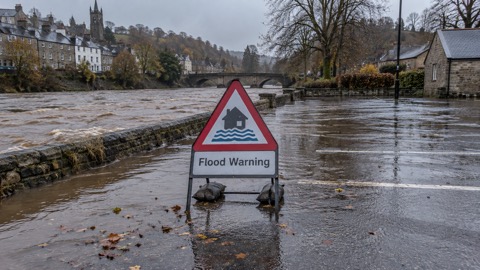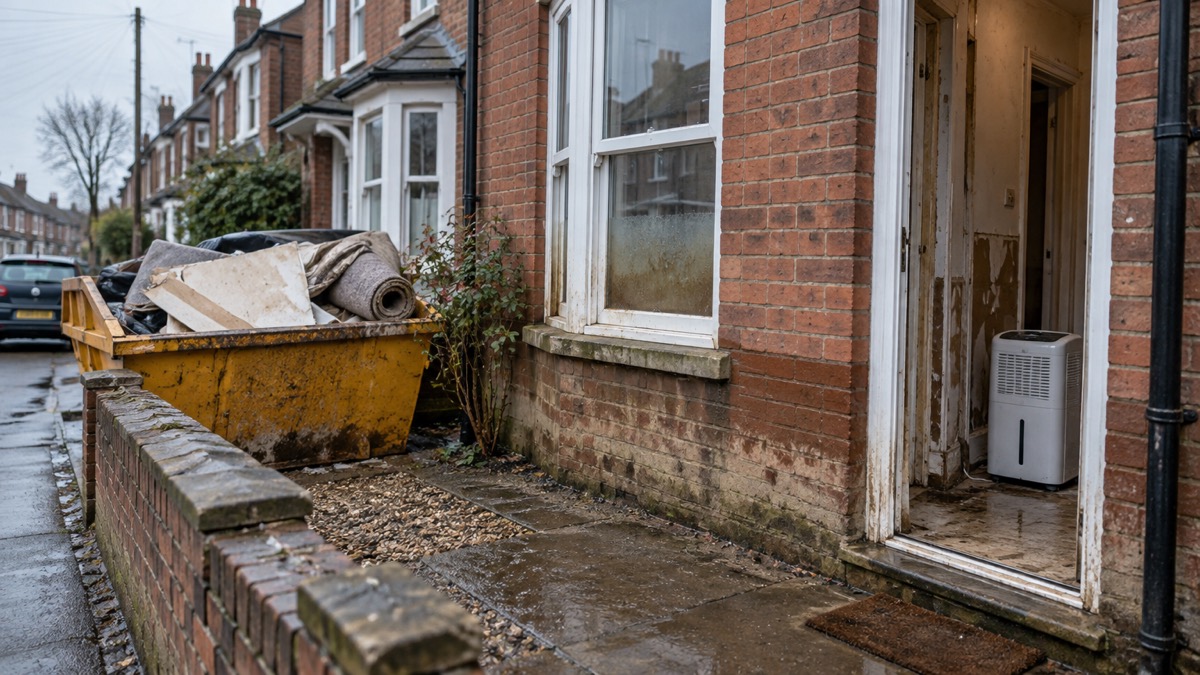
Suffolk County Council has set out how it is administering the government's Flood Recovery Framework following Storm Babet, with more than 750 properties across the county confirmed to have been internally flooded and over 40 communities meeting the criteria for a flood investigation1. The council says it is in the recovery phase, delivering the framework's grants and beginning investigations into the most significant impacts1.
The government uses the Flood Recovery Framework to make funding available to communities following specific storm events that result in severe flooding1. Under it, the government made initial grants available, plus discounts to council tax and business rates for properties impacted by Storm Babet1. The council says final payments to eligible properties have now been completed in line with the government deadline and that it is unable to process any new applications1.
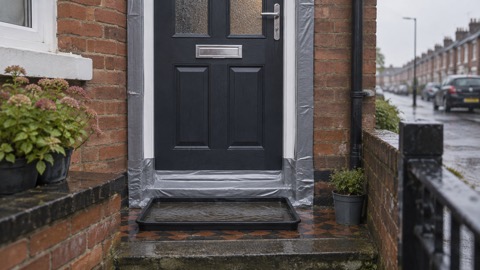
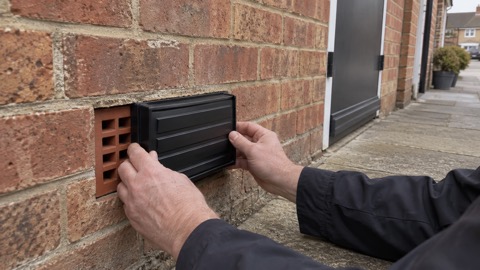
A separate element, the Property Flood Resilience Grant, is being administered by Suffolk County Council on the government's behalf and will be open until early 20251. Eligible property owners, both domestic and commercial, can apply for up to £5,000 including VAT to help make their property more resilient to future flooding, and up to £800 of the grant can be used to contribute towards survey costs1. Property owners are responsible for sourcing their own surveyor, and grants are paid retrospectively once the council receives proof of the completed installation and invoicing for the approved measures1. All properties reported to the council through the Highways Reporting Tool in 2023 and judged eligible will receive a direct communication by post or email about the application process1.
As the Lead Local Flood Authority, the council has a duty under Section 19 of the Flood and Water Management Act 2010 to undertake flood investigations following significant flood events1. Investigations will occur where a location meets one or more of these criteria: internal flooding of one property on more than one occasion; internal flooding to five or more properties in a specific location; or a major transport route closed for more than 10 hours1. The council says it cannot currently undertake investigations for areas that do not meet these criteria or where the impact is restricted to gardens, outbuildings or a garage1.
"It is estimated between 60-80 investigations may be required, which compares to 3-4 in a normal year."
The council says the investigations will take an extended period to complete and publish, up to 2 years, and that it is recruiting additional staff and working with the Environment Agency, which will act as lead authority in some locations1. The most significantly affected communities, those with five or more confirmed internally flooded properties, include Framlingham, Debenham, Needham Market and Wickham Market, where the Environment Agency is lead authority, and Hoxne, Stowmarket, Hadleigh and Long Melford, where the council leads1. The council states it has no powers to require any of the responsible bodies to take action1.
Why it matters for households
Households and businesses in Suffolk that were internally flooded during Storm Babet are affected. Initial recovery grants and council tax and business rates discounts have closed to new applications, but owners of eligible properties can still apply for the Property Flood Resilience Grant until early 2025, with payment made after completed work is evidenced1. The council urges people to prepare to act when at risk of flooding, and says people can find out if their home is at risk, sign up for flood warnings and be ready to take action1. It also points to Floodline on 0345 988 1188 for those who would rather speak to someone1. Households checking their position on home insurance in a flood risk area or considering resilience surveys and professional installation can find the grant conditions set out by the council1.
What happens next
The Property Flood Resilience Grant application process runs until early 20251. Investigations will begin in priority order based on the number of known internally flooded properties in each location, and the lead authority will contact the community when work is ready to start1. The council has produced a template for communities to record where water came from and how locations were impacted, available by emailing floods@suffolk.gov.uk, and free Communities Prepared online workshops start in January 20241.
Sources (1)
- suffolk.gov.uk, suffolk.gov.uk
 Property Flood Resilience Grants
 Recovery Grants If Not Insured
 UK Resilience Framework