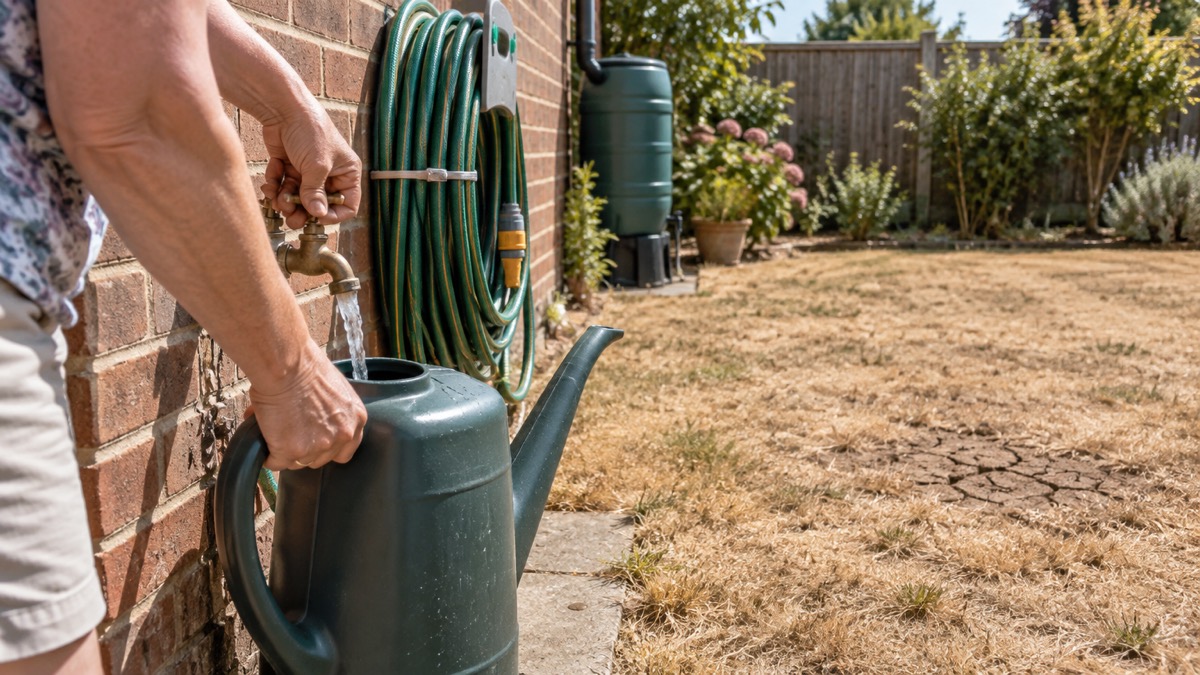
Essex & Suffolk Water introduced a Temporary Use Ban (TUB) on hosepipe use across its supply area, the company has announced. The ban applies to all customers supplied with mains water by Essex & Suffolk Water in Essex, Suffolk, part of Norfolk and the London Boroughs of Barking, Dagenham and Redbridge1. The company said it has been 29 years since it last put a Temporary Use Ban in place1.
The company said the ban follows the Environment Agency placing half of England, including Essex and Suffolk, in drought on Wednesday 29 July 2026, after months of prolonged dry weather, little to no rainfall across East Anglia in July and four successive heatwaves1. It reported that reservoir levels at Hanningfield and Abberton are below average for the time of year, and that on Friday 29 June 592 million litres of water was used by its customers in a 24-hour period, which it described as enough to fill 237 Olympic sized swimming pools1. The company said it repaired 3,533 leaks or bursts in the first six months of 2026, and that it is investing in replacing 225 km of pipe in its network between 2025 and 2030 as part of its Big Upgrade1.
The ban restricts the use of a hosepipe or any attachment to a hosepipe, such as a pressure washer, sprinkler or irrigation system, for eleven listed purposes, including watering a garden, cleaning a private motor vehicle, filling or maintaining a domestic swimming or paddling pool, and cleaning paths or patios1. The company said other activities can be done with a bucket or watering can, and that collected rainwater, reused household water or water from a customer's own supply, such as a borehole, can be used1.
"The temporary restrictions will stay in place until water supplies have recovered sufficiently and conditions return closer to normal."
The company said the restrictions are likely to remain in effect over the summer period, that it will keep the situation under regular review, and that it will share updates on its website and social media channels1. It said flushing of pipes has been suspended since the beginning of July, planned outages at treatment works have been reviewed and reduced, and non-essential maintenance has been suspended so that as many technicians as possible can find and fix leaks1.
Why it matters for households
The ban covers every household on mains water in the affected areas, not only those on the Priority Services Register. The company said only customers who are Blue Badge holders or those with mobility issues, who are unable to use a watering can, are exempt from the restrictions, and that the exemption does not extend to other members of the same household who are able to use a watering can1. It also listed exceptions including watering newly laid turf during its first 28 days, approved drip or trickle irrigation systems fitted with a pressure-reducing valve and timer, use needed for health or safety reasons, protecting the welfare of animals, watering trees and hedging planted within the preceding three years where hand watering is not reasonably practicable, and watering food crops at domestic premises and private allotments where hand watering is not reasonably practicable1. The company said customers who fall within an exception do not need to apply or contact it for permission1. It said each person uses approximately 154 litres of water per day, while a hosepipe can use 1,000 litres an hour if used consistently1. The site's hosepipe ban rules guide sets out what can and cannot be done, and its garden, allotment and new lawn guide covers watering during a ban.
What happens next
The company said the restrictions will stay in place until water supplies have recovered sufficiently and conditions return closer to normal, and that it will keep the situation under regular review1. No end date has been reported. The company said customers with concerns should contact it and it will review them1. The site's guide to how Temporary Use Bans work explains the process, the water shortage checklist covers household preparation, and the current situation page tracks where restrictions apply in England's 2026 drought.
Sources (1)
- Temporary Use Ban FAQs, eswater.co.uk
 Hosepipe Bans and the Garden
 England 2026 Drought Areas
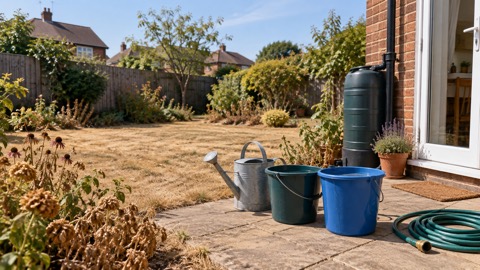 Hosepipe Ban Rules
 Household Guide to Drought





