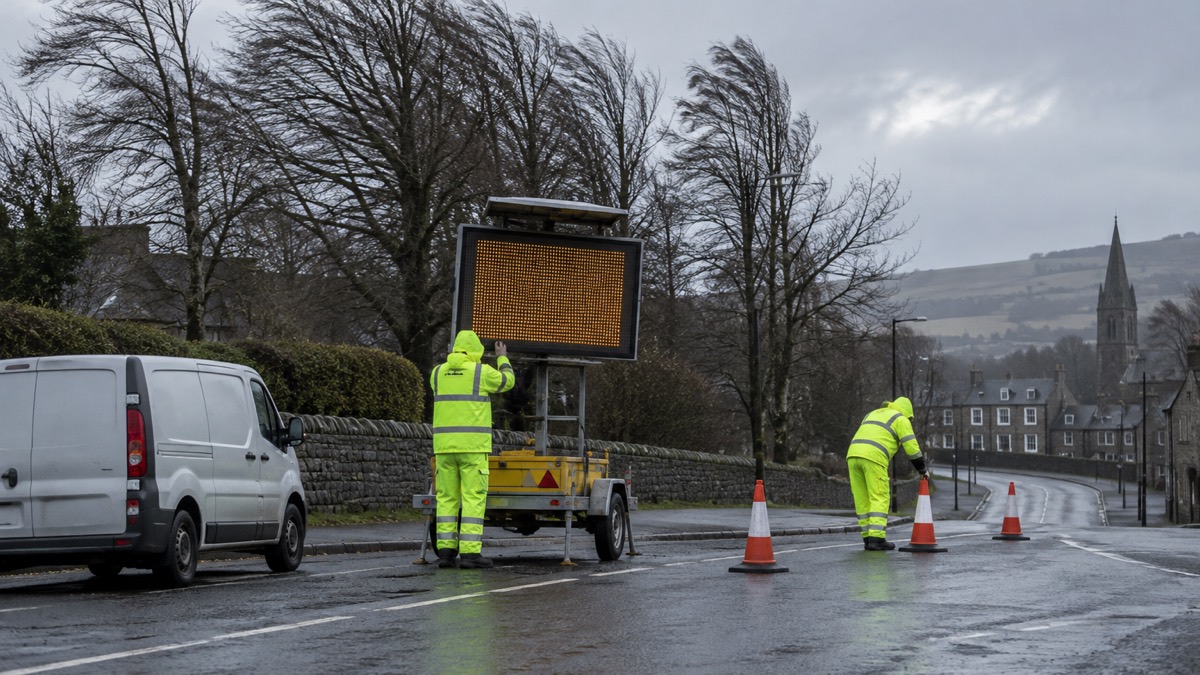
The Cabinet Office issued Emergency Alerts on the evening of 23 January 2025 to people in Northern Ireland and parts of Scotland, in response to a Met Office red warning for wind on Friday 24 January1. The department said approximately 4.5 million people would receive the alert, the largest real life use of the tool to date1.
The red warning covers Northern Ireland and parts of Scotland, and the Met Office stated there is a danger to life across those areas1. The Cabinet Office said it acted in light of deteriorating weather conditions and associated disruption, in consultation with the Scottish Government and Northern Ireland Executive1. It said the alert system sends a message to every compatible mobile phone in the areas at most risk, containing information about the weather warnings and guidance on how to stay safe1.
On how the alert behaves on a handset, the department said phones will make a loud siren-like sound even if set on silent, with the sound and vibration lasting about 10 seconds1. Whether a phone will receive an alert depends on it being compatible; the compatible phones guide sets out which devices are supported, and the guide to what to do when an alert arrives covers the message itself. The Cabinet Office also said the UK Government has well rehearsed plans in place for severe winter weather and is working with teams from devolved governments, local authorities, the emergency services and other public bodies to coordinate the response to any disruption1.
"Approximately 4.5 million people will receive the Emergency Alert in the largest real life use of the tool to date."
| Item | Detail |
|---|---|
| Issued by | Cabinet Office, with the Scottish Government and Northern Ireland Executive consulted1 |
| Date issued | Evening of 23 January 20251 |
| Warning covered | Met Office red warning for wind, Friday 24 January, Northern Ireland and parts of Scotland1 |
| People reached | Approximately 4.5 million1 |
| Handset behaviour | Loud siren-like sound even on silent; sound and vibration about 10 seconds1 |
Why it matters for households
The alert reached compatible phones in the areas judged most at risk, so households in Northern Ireland and parts of Scotland were the ones affected, from the evening of 23 January1. The message carried the weather warning information and guidance on staying safe, rather than being a separate instruction from the Met Office warning itself1. Because the siren sounds even when a phone is on silent, households may hear alerts from other people's devices as well as their own1. The guide to telling a genuine alert from a fake and the page on whether alerts track location or cost anything cover common questions about the system, and the warnings and news guide lists where official updates are published. For the wider picture of how the UK plans for events of this kind, see How the UK Prepares for Emergencies.
What happens next
The red warning applies to Friday 24 January, and the Cabinet Office said it was coordinating the response with devolved governments, local authorities, the emergency services and other public bodies1. No further detail on later alerts or on the outcome of the storm has been reported in the announcement1. Households can check whether their handset is supported in the compatible phones guide and how to switch alerts on or off in the alerts settings guide; the staying informed hub collects the related guides.
 Emergency Alerts
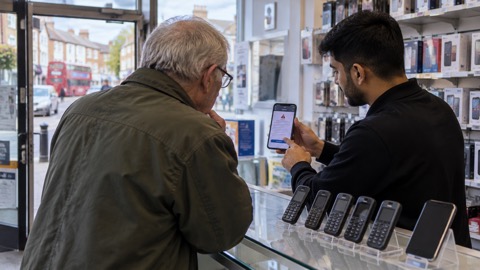 Phones That Get Alerts
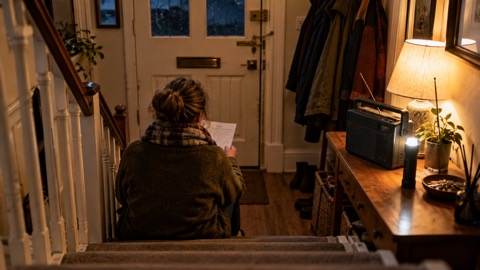 When You Get an Alert
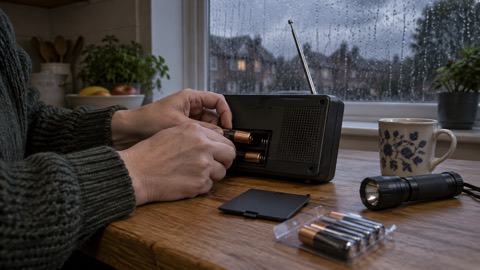 Official Warnings and News
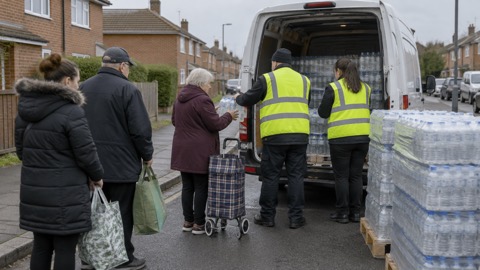 UK Emergency Preparedness Guide
 Spotting a Genuine Alert