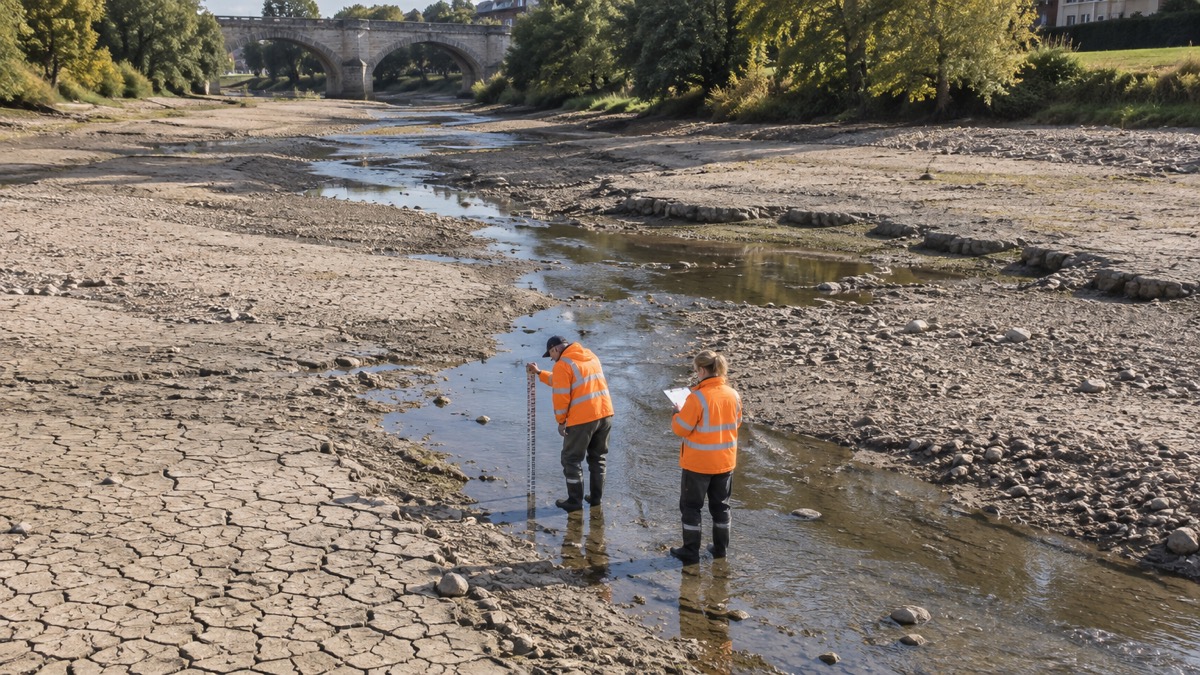
Eleven of the 14 areas designated by the Environment Agency in England moved from "prolonged dry weather" status to "drought" on 20 September 2022, the Chartered Institute of Plumbing and Heating Engineering (CIPHE) reported. A large part of South West Wales also moved into drought status, and Northern Ireland Water applied for Drought Order measures to help protect water supplies1.
The decision was made by the National Drought Group. The areas named are Devon and Cornwall, Solent and South Downs, Kent and South London, Herts and North London, East Anglia, Thames, Lincolnshire and Northamptonshire, East Midlands, Wessex, West Midlands and Yorkshire1. The CIPHE reported that there is no England-wide or UK-wide trigger for measures being put in place; instead, water companies in the drought-hit areas decide how to manage the situation1. It said parts of England and Wales were officially in drought for the first time since 1976, and that while some rain had fallen it had not yet been enough to replace water reserves, so the drought could continue into the next year1. The Scottish Environment Protection Agency warned that water shortages could become both serious and increase in frequency due to climate change1.
"Eleven of 14 areas designated by the Environment Agency in England have moved from “prolonged dry weather” status to “drought.”"
In drought, the local water company gains additional powers to manage supplies. It can activate its drought plan, which sets out restrictions on customers such as hosepipe bans. Water companies in England and Wales can also apply for drought permits from the Environment Agency, or drought orders from the Secretary of State at the Department for Environment, Food and Rural Affairs, to take water from other sources and manage water more flexibly1. The Environment Agency said essential supplies are safe, but asked those living in drought areas to use water wisely and be mindful of the pressures on water resources1.
| Area | Status reported on 20 September 2022 |
|---|---|
| Devon and Cornwall, Solent and South Downs, Kent and South London, Herts and North London, East Anglia, Thames, Lincolnshire and Northamptonshire, East Midlands, Wessex, West Midlands, Yorkshire | Moved from prolonged dry weather to drought1 |
| South West Wales | Large part moved into drought status1 |
| Northern Ireland | NI Water applied for Drought Order measures1 |
| Scotland | Sepa warned shortages could become serious and more frequent1 |
Why it matters for households
The CIPHE lists the impacts on residents as hosepipe bans, reduced water pressure, access to water limited to standpipes or mobile water tanks, and possible restrictions on access to national nature reserves because of wildfire risk1. For businesses, it lists restrictions on commercial uses of water for non-essential services such as car washing, possible restrictions on spray irrigation for farmers, and possible restrictions on water use in industrial manufacturing and food processing1. Households and businesses are advised by the CIPHE to consult their water company's website or contact it direct for the rules in their area, to check email communications from their water company, and to look at their water supply bill if unsure who to contact; in England and Wales a local supplier can be found through Water UK1. How drought status is declared and what each stage means is set out in the guide on how drought is declared in England, and the 2022 drought is covered among past UK droughts and heatwaves.
What happens next
The CIPHE reported that the drought could continue into the next year if reserves are not replaced1. No further dates for changes in status were given.
Sources (1)
- Help I’m in a drought area - What does it mean? | CIPHE, ciphe.org.uk
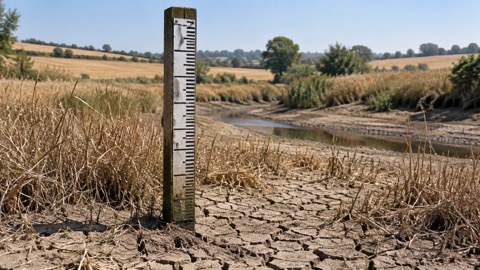 Drought Stages in England
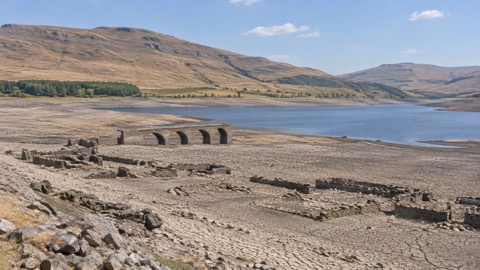 Past UK Droughts and Heatwaves
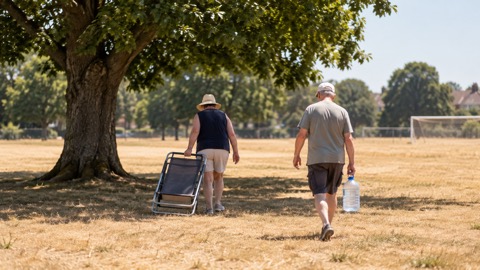 Why UK Summers Are Hotter





