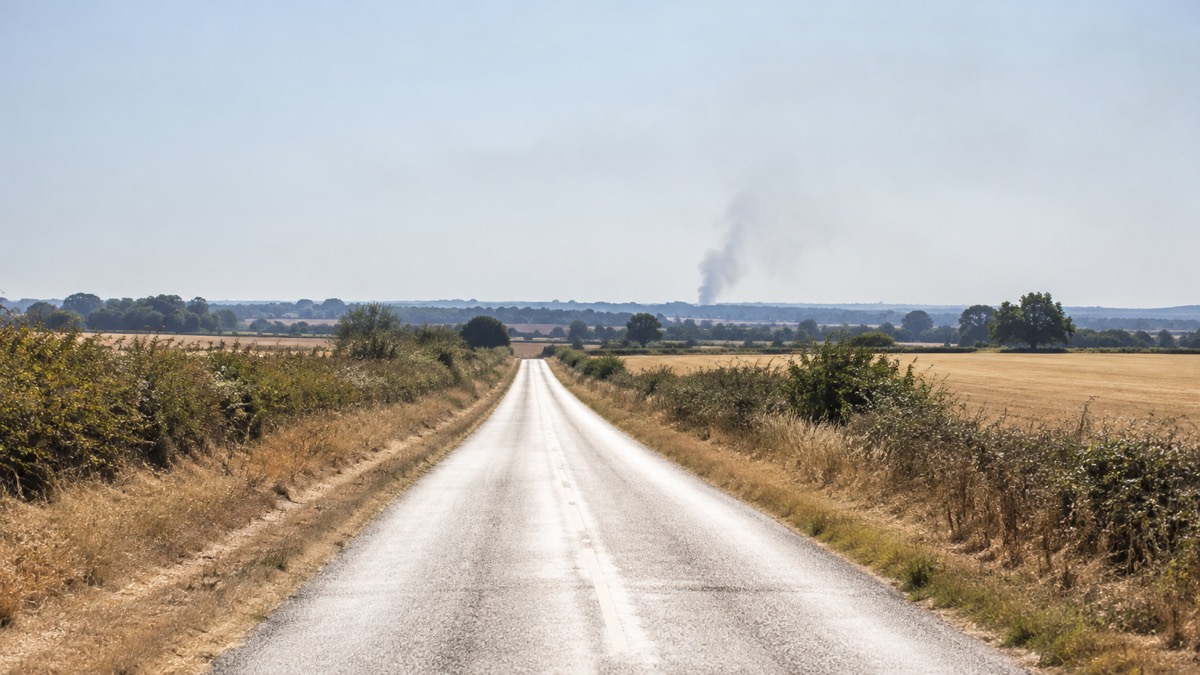
The Met Office said on 27 July 2026 that wildfire conditions are forecast to remain elevated over much of England and Wales this week, despite some rainfall over the weekend and through the coming week, particularly over Scotland and Northern Ireland1. The same forecast, published at 12:28 (UTC+1) on Monday 27 July, sets out a short hot spell for parts of the southeast, with the UK Health Security Agency (UKHSA) issuing Heat Health Alerts for parts of England from Tuesday to Thursday1.
Temperatures are expected to rise from Tuesday, with much of England, Wales and eastern Scotland dry and sunny1. Tuesday is expected to be hot in the southeast, widely reaching 29-30°C, and Wednesday is expected to see the peak of the heat, with maximum temperatures of 35°C possible across southeastern England1. Thursday brings a gradual transition to cooler conditions for much of the UK, though the southeast will hold onto the heat for a little longer, with temperatures widely around 29°C and the potential for official heatwave conditions to be met in some places1. By Friday, temperatures are expected to be much closer to average for most of the UK, and slightly below average in the far north1.
Western Scotland and northwest England were expected to remain cloudier on Tuesday, with periods of rain or drizzle and a small chance of heavy showers and isolated thunderstorms across Northern Ireland and southern Scotland later in the day1. The Met Office said forecast confidence for the weekend and into next week is low, with relatively dry and settled conditions likely on Saturday possibly giving way to more unsettled conditions from Sunday onwards, with some spells of rain and strong winds1.
| Period | Forecast |
|---|---|
| Tuesday | Hot in the southeast, widely 29-30°C; cloudier with rain or drizzle in western Scotland and northwest England |
| Wednesday | Peak of the heat, maximum temperatures of 35°C possible across southeastern England |
| Thursday | Gradual transition to cooler conditions; southeast around 29°C, with heatwave conditions possible in some places |
| Friday | Temperatures much closer to average for most of the UK, slightly below average in the far north |
The National Fire Chiefs Council said fire and rescue services had already faced significant pressure this summer.
"It only takes one spark to start a wildfire, and what may appear to be a small fire can quickly escalate, threatening communities, wildlife, natural habitats and the firefighters tackling the incident."
The NFCC spokesperson said the vast majority of wildfires are preventable, and asked everyone to take extra care and be aware of the increased risk1. The Met Office reports the NFCC's advice to avoid using disposable barbecues in parks, the countryside and other open spaces, never to discard cigarettes on the ground, and always to take litter home1.
Why it matters for households
The elevated wildfire risk covers much of England and Wales for the coming week, including areas that have seen rain, according to the Met Office1. The Heat Health Alerts issued by the UKHSA apply to parts of England from Tuesday to Thursday1. The Met Office has not reported which regions are covered by the alerts, or their colour level, in this forecast. Households in the southeast face the highest temperatures, with 35°C possible on Wednesday, while those further northwest will see more unsettled weather1. The Met Office advises keeping in touch with updates through the week because forecast confidence for the weekend is low1. Practical guidance on wildfires and grass fires, barbecues and wildfire risk in dry weather and protecting your home and garden from a wildfire is set out in the site's heatwaves and drought section, alongside explanations of heat-health alerts and how to sign up for heat-health alerts.
What happens next
The Met Office said the heat is expected to ease by Friday, with more unsettled conditions possible from Sunday onwards, and that forecast confidence is low at this stage1. It directed people to its website, YouTube, X, Facebook and mobile app for the latest forecast1.
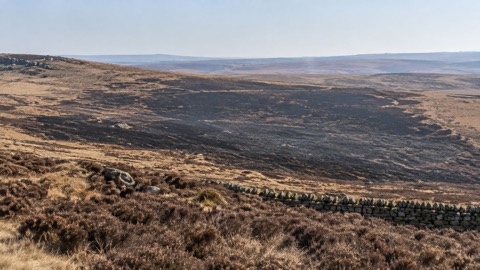 Wildfires and Grass Fires
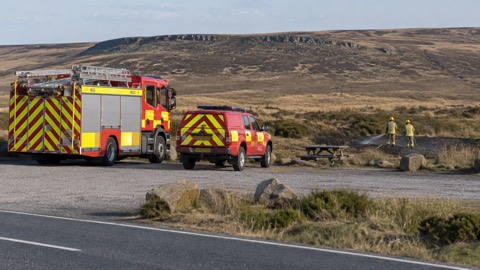 Barbecues and Wildfire Risk
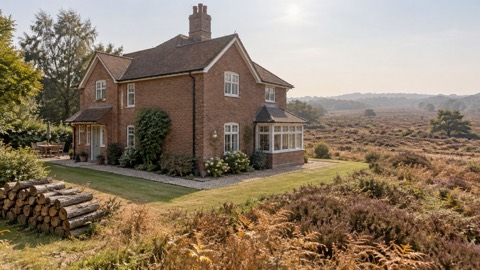 Wildfire Home Protection





