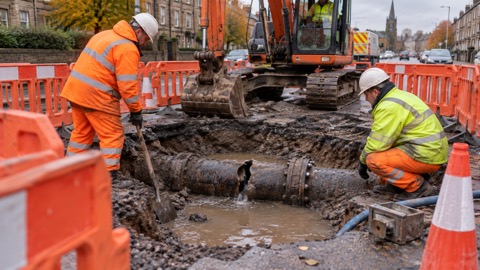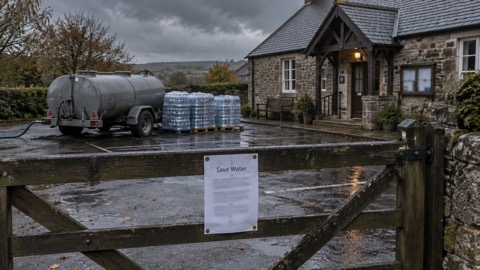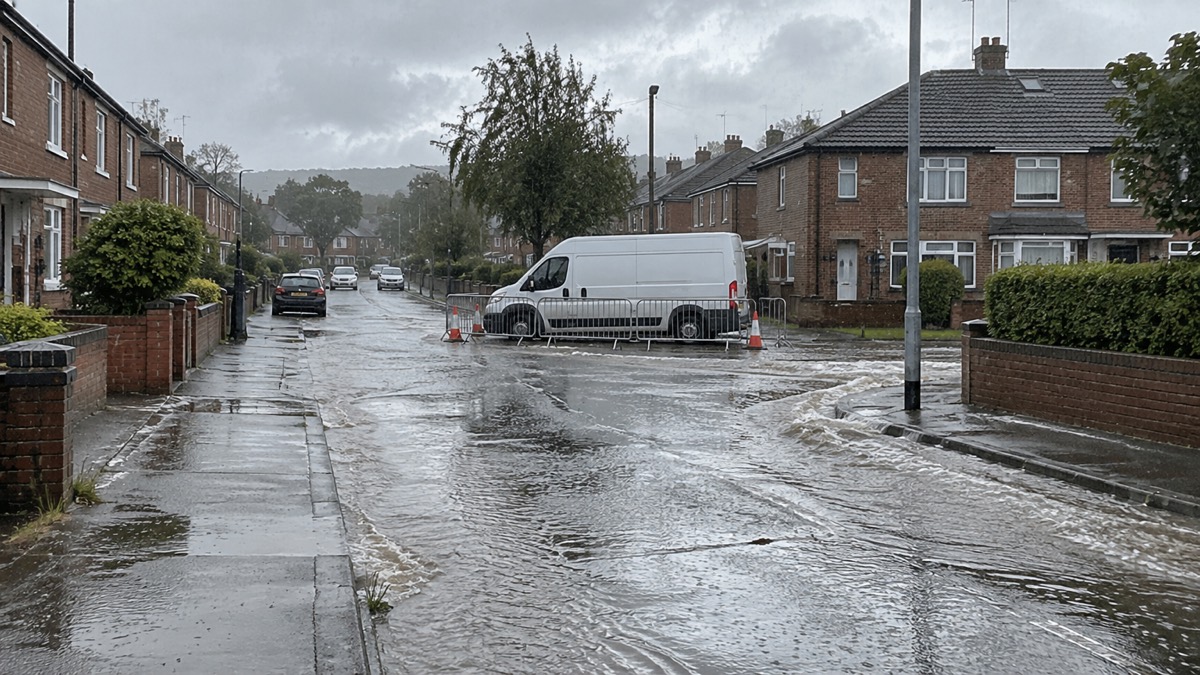
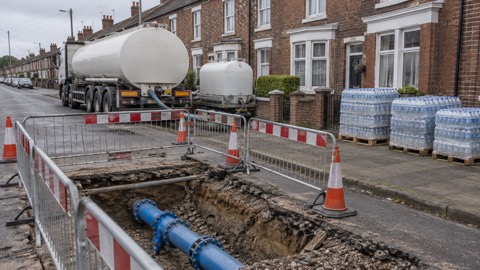
Dŵr Cymru Welsh Water was alerted at approximately 15:00 on 3 September 2025, via pressure and flow alarms, to a burst on a 15-inch trunk main in the Llanrumney area of Cardiff1. The repair was completed in the early hours of 4 September 2025. The company responded with bottled water stations, tankers and rezoning of the network.
The Drinking Water Inspectorate records the Llanrumney burst in its table of the ten highest scoring events notified in Wales in 2025. It is listed as a mains problem or damage, a mains burst, with a final classification of 2 (Minor), a final event assessment of enforcement by legal instrument, and an Event Risk Index score of 3.6311. For comparison, the highest scoring event in Wales in 2025 was a regulation 31 approval matter for the same company, with an ERI of 5,299, against a highest score of 240 in 20241.
The Inspectorate's report gives no figure for the number of properties or people who lost supply in Llanrumney, and no duration for the interruption beyond the repair being completed in the early hours of 4 September. Those details have not been reported in the material available.
The same report notes a separate event in Llanrumney on 17 October 2025, when "do not drink" advice was issued to 20 properties1. It does not state whether that event was connected to the September burst.
"At approximately 15:00 on 3 September 2025, Dŵr Cymru Welsh Water was alerted, via pressure and flow alarms, to a burst on a 15‑inch trunk main in the Llanrumney area of Cardiff."
Across Wales, 65 events were notified to the Inspectorate in 2025. Thirty-two were single-property incidents, 16 of which related to consumers' distribution systems and were therefore outside the control of the water company1.
Why it matters for households
A burst on a trunk main can interrupt supply to streets and estates downstream of the failure while the pipe is isolated and repaired, and again while the network is refilled and any discoloured water is cleared. In this event the company used bottled water stations, tankers and rezoning, the same range of alternative supplies described in the guide to bottled supplies, tankers and bowsers and to where bottled water stations are set up. Households who cannot carry bottled water themselves can ask about delivery under the arrangements set out in how to get bottled water delivered if you are vulnerable.
The Inspectorate classifies the Llanrumney burst as minor, with enforcement by legal instrument, which indicates that the regulator required action from the company rather than treating the event as serious. The report does not set out what that instrument required.
For households wanting to know how long a supply is typically out during a mains burst, the guide to how long until my supply is restored sets out what companies normally say. The guide to how water companies respond to a major incident explains the sequence of isolation, repair, flushing and refilling. Anyone who sees water escaping from the road or pavement can report it using the steps in how to report no water or a burst pipe. The water hub covers the wider subject, including how much drinking water to store per person and how to store bottled water.
What happens next
The Inspectorate's report records the event assessment as enforcement by legal instrument1. It does not state what the instrument requires, what deadline applies, or whether the company has completed any follow-up work. No further dates for Llanrumney have been reported.
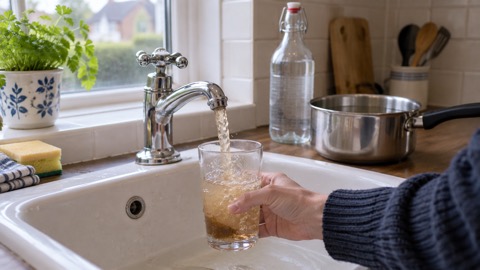 When Supply Is Restored
 Water Company Incident Response