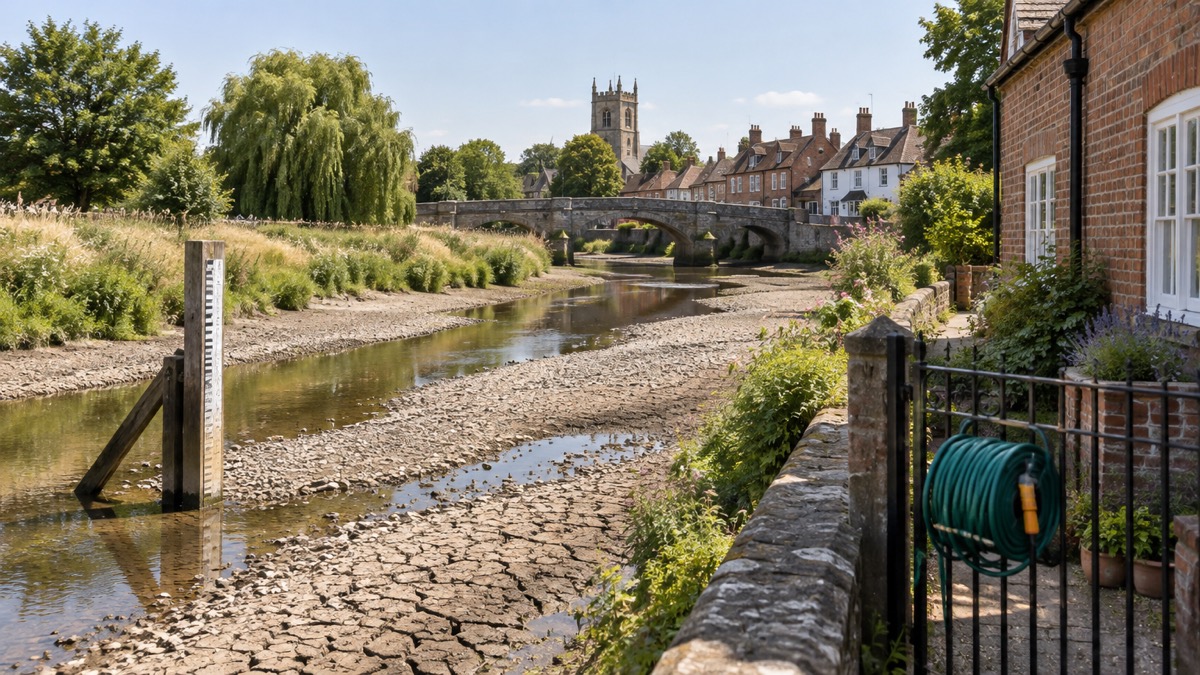
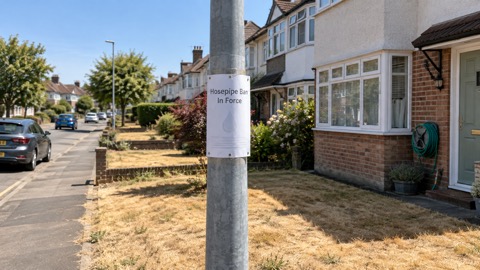
Anglian Water introduced a hosepipe ban across Norfolk on 11 July 2025, a restriction the company says was brought in to help manage supplies during an ongoing drought following a long-term rainfall deficit1. The company has since confirmed that recent rain has not been enough to lift it1.
Anglian Water says the region has had two years of unusually dry springs and repeated heatwaves, putting sustained pressure on rivers, reservoirs and underground water stores1. It says these sources take time to recover and need sustained rainfall over a much longer period, typically during the autumn and winter months1. The company says rainfall in hotter, drier periods is also less effective because hard, dry ground absorbs less water, making it more difficult to replenish groundwater supplies1. It could take several more months before water sources return to normal2.
The figures given for the rainfall shortfall are:
| Measure | Figure |
|---|---|
| Typical annual total for the region | 630mm2 |
| Rainfall still needed just to reach normal ground saturation | Around 100mm2 |
Anglian Water says water resources, including reservoirs, rivers and groundwater levels, remain lower than it would normally expect for this time of year, with some rivers at exceptionally low levels2. It says that even after the ground becomes saturated, further prolonged rainfall will be needed to fully replenish reservoirs and groundwater supplies2. The company says it continues to treat and supply above-average volumes of water, fix leaks around the clock, and move water across its network to meet demand2.
"We're continuing to closely monitor conditions and restrictions will remain in place for as long as they're needed to help protect water supplies and the environment."
Anglian Water says customer demand for water fell by an initial 9 per cent and has now stabilised at around 5 per cent2. Kieran Ingram, water director at Essex & Suffolk Water, which covers part of Great Yarmouth, said recent rainfall had helped but much more is needed before a significant improvement in water resources is seen1. A drought was officially declared in Norfolk on July 29 due to very low rainfall and high temperatures3. The National Drought Group is meeting weekly to address the situation3.
Why it matters for households
The restriction covers Norfolk and has been in effect since 11 July 20252. Anglian Water has not given an end date, saying restrictions will remain for as long as they are needed to protect water supplies and the environment1. Households in the area served by Essex & Suffolk Water, including part of Great Yarmouth, are covered by that company's own arrangements1. The rules on what a temporary use ban permits are set out in the site's guide to what you can and cannot do in a hosepipe ban, with further detail on how temporary use bans work, on watering the garden, allotment and new lawn and on paddling pools, ponds and car washing. A water shortage and hosepipe ban checklist sets out the practical steps for households, and the heatwaves and drought hub and water hub carry the wider background.
What happens next
Anglian Water says it is continuing to closely monitor conditions and that the sooner water resources recover, the sooner restrictions can be lifted1. It says it could take several more months before water sources return to normal2. The Met Office has issued thunderstorm warnings for Norfolk, with heavy showers and thunderstorms possibly bringing 20mm to 30mm of rain in less than an hour and perhaps 40mm to 50mm in two to three hours in a few spots, leading to some surface water flooding3. The first warning runs until 10pm on 26 August and covers large parts of the county, but not King's Lynn, Fakenham or the Norfolk coast; a second warning, from 6am to 10pm on 27 August, affects King's Lynn, Downham Market and Hunstanton3. The Met Office says large hail and frequent lightning are also possible3.
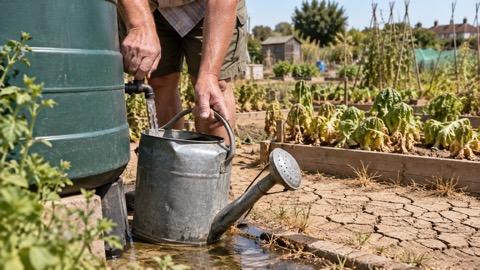 Hosepipe Bans and the Garden
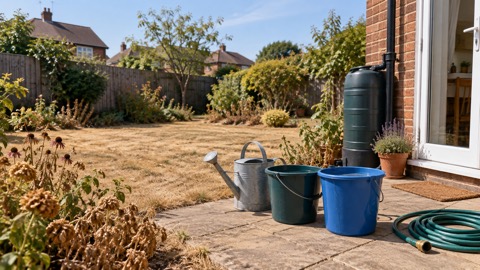 Hosepipe Ban Rules
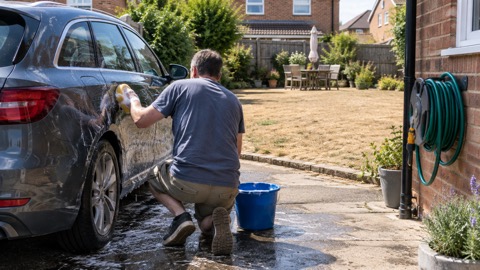 Pools, Ponds and Car Washing
 Household Guide to Drought





